
If your garage door sounds rough, feels sluggish, or seems to “bind” on certain spots, a tune-up and inspection can help restore smooth operation and reduce the small problems that become bigger repairs. This guide explains what to check, what tune-ups typically focus on, and how Gainesville, GA homeowners can recognize early warning signs.
It starts as a small annoyance. One morning the garage door takes a little longer to lift, and the rollers make a louder noise than usual. By the end of the week, you might notice the door doesn’t travel as evenly, or it stops for a moment before continuing.
When that happens, you usually do not need to guess. A proper tune-up and inspection helps you understand what is wearing out, what is misaligned, and what adjustments are safe and sensible. In this article, you will learn what to inspect first, which components tend to cause noise and uneven movement, and when it’s time to call for service in Gainesville, GA.
- Quick Answer
- What to Check First
- Main Things Customers Should Understand
- Why This Matters in Gainesville, GA
- Common Mistakes to Avoid
- Customer Checklist
- Frequently Asked Questions
Quick Answer
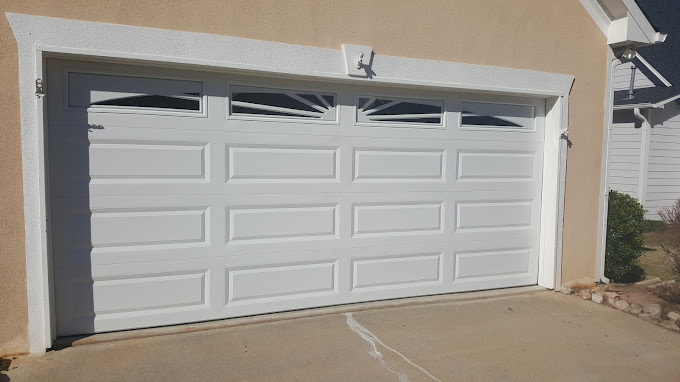
A garage door tune-up and inspection focuses on the moving parts that affect smooth travel: track condition and alignment, roller and hinge performance, spring balance, and opener settings. If you hear grinding, see uneven gaps, or feel binding in specific spots, schedule a service visit rather than forcing the door. For many issues, early tune-up attention prevents track repair, panel replacement, or larger spring work later. A practical next step is to note when the noise happens and whether it occurs during opening, closing, or both, then have a technician inspect those exact points.
What to Check First
Before you schedule anything, do a quick, homeowner-safe walkthrough. Start with the door closed, then open and close it while you watch the path the rollers follow. Pay attention to where the motion changes, where the door sounds loudest, and whether the door appears level as it moves. If you can see obvious gaps or the door seems to dip, that often points to track or hardware issues that a tune-up should address.
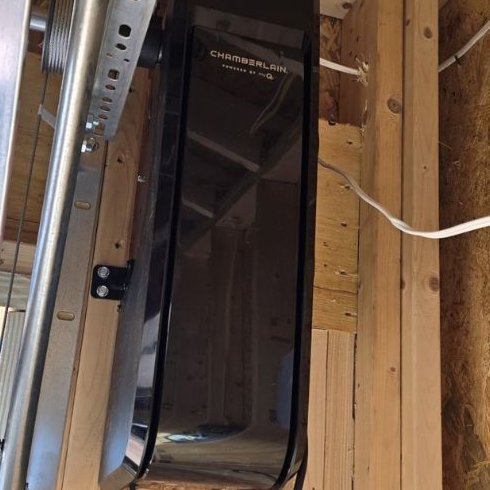
Professional observation: Noise and uneven travel usually start with the path the door rides on. When tracks are slightly off or rollers are worn, the door may still move, but it will work harder, sound worse, and accelerate wear on other components.
Main Things Customers Should Understand
During a tune-up and inspection, the goal is not just “quiet operation.” It is to confirm that the door’s system works together: the tracks guide the rollers, the hardware supports the panels, the springs balance the weight, and the opener responds correctly. That is why a thorough tune-up often includes checking alignment and condition first, then verifying hardware movement and opener behavior.
Track repair and track replacement signals
If the door rubs at certain heights, looks crooked in motion, or makes a scraping sound, the issue may be Track Repair or, in some cases, Track Replacement. A tune-up can also reveal when the track needs cleaning, realignment, or hardware adjustments.
Panel and weather seal details
When the door does not sit evenly, you may see uneven panel seams. If the door’s bottom edge wears unevenly, it can affect insulation and weather performance. For homes that need a tighter seal, service may involve Panel Replacement or Weather Stripping and related bottom seal work.
Springs, rollers, and balance
A noisy door is often a sign that hardware is wearing or not rolling smoothly. If the door struggles at certain points, it can also be tied to spring balance. Tune-ups may identify needs for Spring Replacement or related hardware attention, especially when movement becomes inconsistent.
| What gets checked during a tune-up | What you may notice | Potential outcomes |
|---|---|---|
| Track alignment and condition | Rubbing, scraping, slow spots, door not staying level | Adjustments, or Track Repair if needed |
| Rollers and hinges | Grinding, clicking, jerky movement | Hardware service for Broken Hinges or Broken Rollers when applicable |
| Door balance and spring system behavior | Door feels heavy, opener works harder, uneven travel | Spring-related attention, including Spring Replacement when required |
| Opener settings and safety response | Stops early, reverses unexpectedly, inconsistent closing | Tune opener behavior to match the door’s actual movement |
| Bottom seal and weather protection | Drafts, dust, debris near the threshold | Bottom rubber and related seal service, such as Bottom Rubber Replacement |
Why This Matters in Gainesville, GA
Gainesville, GA homeowners often deal with weather swings that can expose garage doors to more expansion and contraction than in milder climates. Over time, that can shift how the door rides and seals. A tune-up is a practical way to keep daily access smooth, especially when the door is used frequently for commuting, school drop-offs, and weekend projects.
Local homeowner tip: If you notice the door sounds different after humid days or during seasonal temperature changes, it can point to friction and seal conditions. Scheduling a tune-up and inspection helps you identify whether the issue is track alignment, worn rollers, or weather-related wear at the bottom edge.
Representative scenario: “It only acts up halfway”
A homeowner in Gainesville reported that the door traveled smoothly for the first part of its opening, then felt like it slowed and made a louder sound around a specific height. After inspection, the technician focused on the track path and roller movement at that spot and checked spring balance. The tune-up corrected the problem area so the door returned to smoother travel.
What the customer did right
They observed when the noise happened, instead of assuming the opener was the only cause. That detail helped narrow down the likely sources and reduced the guesswork. They also avoided repeatedly forcing the door when it felt like it was binding.
What to watch next
After a tune-up, pay attention to whether the door stops at the same height again or if the noise changes. If the behavior returns quickly, it can indicate a component that needs service beyond routine adjustment.
Want quieter smoother daily access?
If your door is making new sounds or moving unevenly, a tune-up and inspection can help identify what is driving the problem before it escalates into major track, panel, or spring work.
Contact Always Open Garage DoorsCommon Mistakes to Avoid
Many garage door problems get worse because the root cause is missed. A tune-up is usually more effective when you avoid forcing the door and when you do not treat symptoms as the whole issue. Here are common mistakes homeowners make in Gainesville, GA.
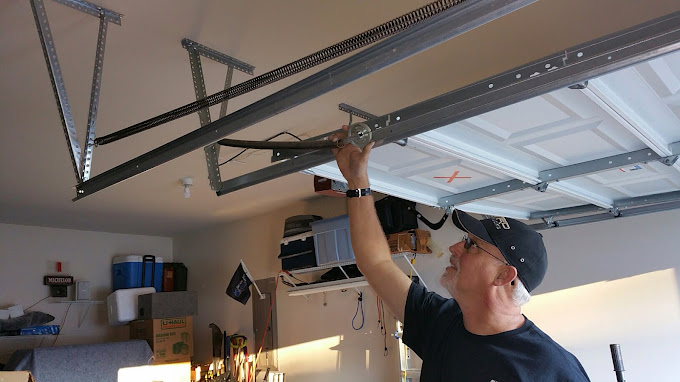
- Lubricating moving parts without addressing a misaligned track, which can increase friction instead of reducing it.
- Ignoring uneven gaps, because they often point to track alignment, roller wear, or panel issues.
- Repeatedly closing a door that binds at one height, which can stress the opener and the spring system.
- Waiting until the door is completely stuck, when early tune-up checks can often prevent larger repairs.
- Overlooking bottom seal wear, especially if you notice drafts or debris near the threshold.
Customer Checklist
Use this checklist to prepare for a tune-up and inspection. The clearer you are about symptoms, the easier it is to pinpoint whether you need track repair, panel replacement, weather stripping, insulation-related attention, or opener and motor adjustments.
- Record when the door is noisy or slow: opening, closing, or both.
- Note the height where it feels like it binds or rubs.
- Look for uneven panel seams or a door that appears off-level while moving.
- Check the bottom edge for wear and gaps that may indicate seal issues.
- Pay attention to opener behavior such as stopping early or unexpected reversal.
- If the door has ever needed hardware attention, mention what was repaired before.
Frequently Asked Questions
Below are common questions Gainesville, GA homeowners ask when they are considering a tune-up and inspection for smoother, quieter daily access.
How do I tell whether I need a tune-up or a bigger repair?
If the door moves but sounds rough, hesitates at a consistent spot, or travels unevenly, a tune-up and inspection is often the right starting point. During the visit, the technician checks track alignment, roller and hinge movement, balance, and opener behavior to determine what is adjustable versus what may require service. If there is visible damage to the track path, worn hardware, or the door’s balance is clearly off, the inspection may lead to targeted repairs like track repair, panel replacement, or spring work. The key is not waiting until the door stops completely.
Can worn rollers or broken hinges cause a loud garage door?
Yes. Rollers and hinges guide how the door moves through the track system. When rollers wear or hinges fail, the door can scrape, click, or grind. Even if the door still opens and closes, worn parts increase friction and can make the travel feel jerky. A tune-up and inspection checks those components and the way they ride the track. If the inspection identifies issues like broken hinges or broken rollers, service can focus on the specific hardware instead of treating the opener or springs as the only cause.
What does track repair involve?
Track repair typically starts with inspecting the track path for alignment and condition. The technician checks whether the door is staying true as it moves and whether the rollers are rolling smoothly through the track. Depending on what is found, the service may include realignment and addressing friction points that cause scraping or slow spots. If the track is beyond adjustment, track replacement may be recommended. The goal is to restore smooth travel so the door does not continue stressing other components.
Does a tune-up also help with weather performance?
It can. A tune-up and inspection often includes checking the door’s bottom edge and seal condition, because worn weather stripping and bottom seals can allow drafts and debris to pass. If you notice gaps at the bottom or dust collecting where the door meets the floor, the inspection may lead to weather stripping service or bottom rubber replacement. For homeowners who want better comfort and energy efficiency, you can also consider garage door insulation. Keeping the door aligned and sealed helps it perform consistently in Gainesville, GA’s seasonal conditions.
What about motor installation or opener issues?
Some symptoms that sound like an opener problem can actually be caused by track friction, balance issues, or worn hardware. A tune-up checks how the door physically moves first, then confirms opener behavior so the opener is not fighting a door that is not traveling smoothly. If the opener or motor needs attention, service may include motor installation. The best approach is inspection-based, so the technician can confirm whether the issue is alignment and hardware versus opener components.
Ready to make your garage door feel right again?
When you address the root causes behind noise and uneven travel, daily access becomes smoother and quieter. Always Open Garage Doors can inspect your system and help determine whether you need a tune-up and inspection, track repair, weather stripping service, or related adjustments.
(770) 965-8973
About Always Open Garage Doors
Always Open Garage Doors provides garage door service for homeowners and property managers across Gainesville, GA and surrounding areas. From tune-ups and inspections to repair and replacement work, the focus is on restoring smooth, quiet operation by addressing the real mechanical causes behind noise and uneven travel. If your door needs attention, you can explore related services like garage door tune-up and inspection, panel replacement, and motor installation to understand what your system may require.