
Emergency Garage Door Repair When It Won’t Close
If your garage door won’t close in Gainesville, GA, it usually is not “just the opener.” Misaligned tracks, damaged panels, worn weather stripping, or a failing spring or motor can all stop the door mid-travel. This guide walks you through what you can safely check, what typically causes the problem, and when to call for help.
It starts with a routine moment: you back out, hit the wall button, and the door hesitates, reverses, or stops a few inches above the floor. In Gainesville, GA, that can be more than inconvenient. An open garage leaves tools, vehicles, and stored belongings exposed, and it can also let humidity and dust build up inside.
When a garage door won’t close, the cause is often mechanical or alignment-related, not just an electrical issue. This guide helps you understand the most common reasons the door will not fully close, what to inspect first, and what repairs tend to be needed so you can make a smart, safe next step.
- Quick answer
- What to check first
- Main things customers should understand
- Why this matters in Gainesville, GA
- Common mistakes to avoid
- Customer checklist
- Frequently asked questions
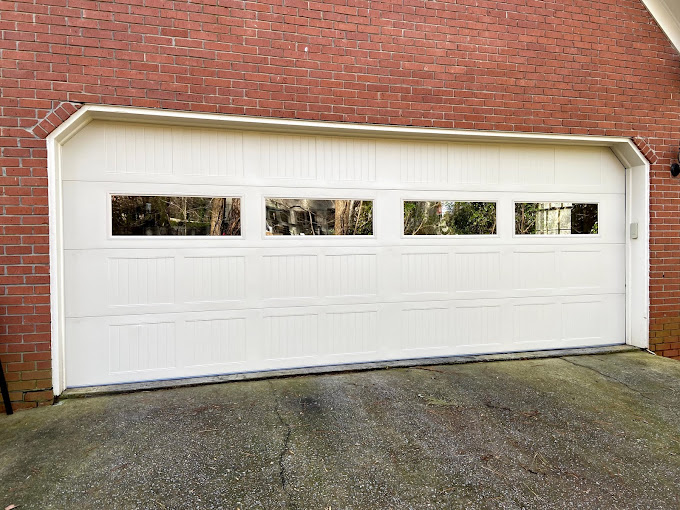
Quick Answer
If your garage door won’t close, start by checking for obvious obstructions, then inspect the tracks for bends or debris and look at the door panels for misalignment or damage. If the door is off track, the rollers are binding, or you see issues with springs or cables, do not force it. The safest next step is to contact a garage door repair specialist who can diagnose track repair, panel replacement, or spring replacement without risking further damage. For safety, keep people and pets away from the door area and avoid repeated close attempts.
What to Check First
Before calling for help, you can do a quick, homeowner-safe inspection. The goal is to identify whether the door is obstructed, misaligned, or mechanically binding. If anything looks bent or broken, stop and avoid forcing the door.
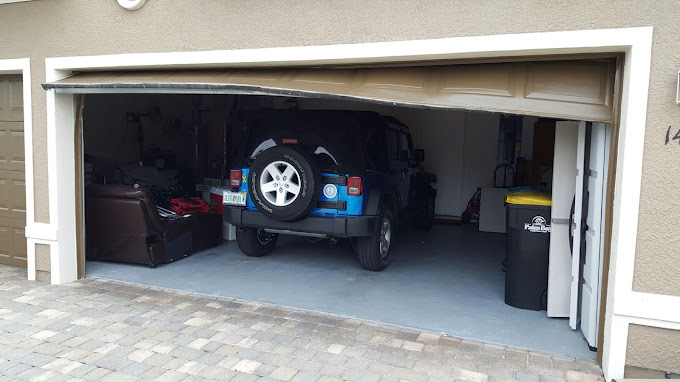
Safety first: If you notice a gap that’s getting bigger, cables that look slack, or the door feels unusually heavy, stop. Forcing the door can worsen alignment issues and create additional wear on rollers and tracks.
Here are the most productive checks for a door that won’t close:
- Look for blockages: Check the floor and the bottom of the door for objects, tools, or debris that could prevent full travel.
- Check the track path: With the door fully open (only if it’s safe), visually inspect the tracks on both sides for dents, bends, or buildup. Track replacement or track repair may be needed if the track is out of alignment.
- Watch how the door moves: Does it stop halfway, or does it reverse near the bottom? That pattern can point to friction, misalignment, or damaged components.
- Inspect the bottom seal: Torn or displaced bottom rubber can increase friction at the threshold, especially when the door tries to compress against the floor.
- Check the panels and hinges: If a panel looks bowed or a hinge area looks uneven, the door may not stay on its correct travel path.
Professional observation: When a door won’t close, it often comes down to the door not traveling in a straight line. That means track alignment and roller movement matter as much as the opener setting.
Main Things Customers Should Understand
Homeowners often assume the opener is the problem because the symptom happens when pressing “close.” But the garage door system is a chain: opener, motor, springs, cables, rollers, hinges, panels, and tracks all work together. If one link creates extra resistance, the door may stop early or reverse.
Below is a practical decision table that matches common symptoms to the parts that are frequently involved. Use it to frame the repair conversation with Always Open Garage Doors in Gainesville, GA.
| What you notice | Likely area to inspect | Common repair direction |
|---|---|---|
| The door stops mid-travel or won’t reach the floor | Tracks and roller movement | Track repair or track replacement |
| The door reverses near the bottom | Bottom rubber and door alignment | Bottom rubber replacement and alignment checks |
| Panels look bent, misaligned, or a hinge area seems off | Door panels, hinges, and rollers | Panel replacement or broken hinges/rollers repair |
| The door is unusually difficult to lift or feels heavy | Springs and balance | Spring replacement and system inspection |
| Door movement is jerky or inconsistent | Motor operation and door travel | Motor installation or tune-up and inspection |
| Door closes but drafts leak in or the seal looks worn | Weather stripping and insulation | Weather stripping and insulation upgrades |
| You have a specific opener and track arrangement and want smoother operation | Track system compatibility | Wayne Dalton torsion conversion (where appropriate) |
If you want to be more targeted, you can review the relevant service pages for the component most connected to your symptom. For example, if you suspect the door is binding in its path, it may relate to track repair. If you see a damaged door section, panel replacement is often part of the fix.
Why this matters in Gainesville, GA
In Gainesville, GA, garages are used year-round and weather swings can be noticeable. When humidity and temperature changes affect how the door and seal sit against the floor, small alignment issues can become bigger problems. A door that barely clears the threshold one day can bind the next if the tracks are slightly off, the bottom rubber is worn, or the weather stripping is no longer helping the door travel smoothly.
One common pattern we see locally is doors that try to close but hesitate because friction builds at the bottom area. That is also where homeowners often notice drafts and dust first. If you are seeing sealing issues, it may be connected to weather stripping and how the door sits when fully closed.
Need help getting the door safely back to full closure?
If your garage door won’t close and you want the cause identified quickly and safely, contact Always Open Garage Doors.
(770) 965-8973Common Mistakes to Avoid
When a garage door won’t close, it is tempting to keep pressing the button and trying again. That can make the situation worse by increasing wear on rollers and tracks or stressing a spring system that is already struggling.
- Forcing the door: If the door is off track or binding, forcing it can damage hinges, rollers, and track surfaces.
- Ignoring unusual sounds: Grinding, popping, or repeated clicking can indicate broken hinges, broken rollers, or a component out of alignment.
- Adjusting limits without addressing the cause: Opener limit settings may mask an underlying track or panel issue, leading to repeated reversals.
- Skipping visual inspection: A quick look for bent tracks, damaged panels, or worn bottom rubber can prevent unnecessary opener troubleshooting.
- Replacing one “symptom” part while the system still binds: For example, a motor issue can be real, but if the door cannot travel smoothly, the underlying friction still needs attention. A technician-led tune-up and inspection helps confirm what is actually driving the problem.
Customer Checklist
Use this checklist to prepare for repair and to help you communicate what you are seeing. It can also help you decide whether the issue is safe to investigate further or whether you should stop and call for service.
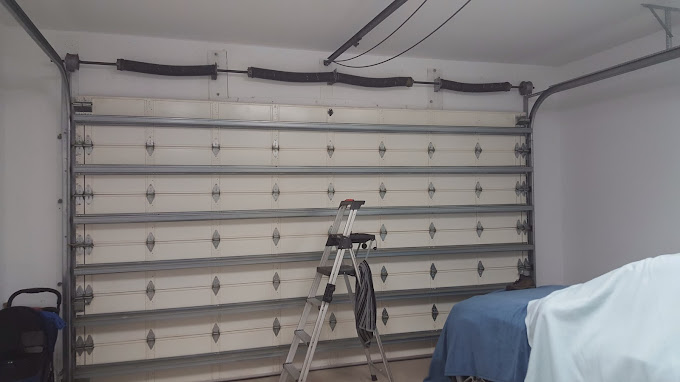
- Confirm what happens when you press “close” (stops mid-travel, reverses, or only fails at the last few inches).
- Check for obstructions along the floor and near the bottom edge of the door.
- Look for visible track damage or dents on both sides.
- Inspect the bottom rubber for tears, separation, or excessive wear.
- Check for panel gaps, bowing, or hinge areas that look uneven.
- Note whether the door feels unusually heavy when lifted manually (and stop if it does).
- Determine whether weather stripping looks displaced or worn around the perimeter.
- Write down when the issue started and whether it happens every time or intermittently.
Representative Scenario: The Door Stops Before It Closes
A homeowner in Gainesville noticed their garage door would close halfway and then stop. The opener sounded normal, but the door would not reach the floor. A quick inspection showed the door dragging slightly on one side, and the track area had visible buildup and a minor misalignment. After the track path and roller movement were corrected, the door traveled consistently and fully closed again. In many cases like this, addressing track alignment is the difference between repeated reversals and smooth travel.
Frequently Asked Questions
Why does my garage door open but not fully close?
That symptom usually points to resistance during the downward travel. Common causes include misaligned tracks, rollers that are binding, damaged hinges or rollers, or bottom rubber that is too worn to allow smooth compression at the floor. Weather conditions can also make small alignment issues more noticeable. Start with a careful look for obstructions and visible track problems, then consider whether the door is stopping at the same point every time. If you see bent tracks, damaged panels, or anything that looks off-track, it is best to stop forcing the door and have it inspected.
Should I keep pressing the close button to “try again”?
Repeated attempts often make the situation worse. If the door is binding due to track alignment, roller movement, or a damaged component, each attempt adds stress to the system. It can also increase wear on hinges and rollers and may worsen misalignment. Instead, pause and do a quick visual check for debris, track dents, panel damage, and bottom rubber wear. If anything looks bent, off-track, or broken, contact Always Open Garage Doors so the cause can be diagnosed and repaired correctly.
What part is most likely when the door reverses near the bottom?
Reversing near the bottom often relates to friction or misalignment at the final travel section. That can include worn or displaced bottom rubber, track issues, or a door section that is not staying level as it moves down. In some situations, the opener’s behavior is reacting to resistance rather than the door being purely “closed.” A technician-led inspection helps confirm whether the fix is bottom rubber replacement, track repair, panel replacement, or a broader tune-up and inspection.
Can weather stripping or insulation affect whether the door closes?
Yes, they can affect how the door sits and seals, which can change how smoothly it closes. Worn or displaced weather stripping can alter how the door meets the frame, and insulation can be a factor if panels shift or the door balance is off. That said, weather-related issues usually appear alongside other signs such as drafts, dust, or uneven seating. If your primary problem is the door not reaching the floor or reversing repeatedly, focus first on tracks, rollers, panels, and bottom rubber, then address sealing with weather stripping or insulation service as needed.
How do I know if it is a spring replacement issue?
Spring-related problems often show up as the door feeling unusually heavy or moving unevenly. If the door struggles to travel down or you notice imbalance, it can be connected to spring tension and system balance. Because springs and cables store energy, it is not something to adjust or troubleshoot by yourself. If you suspect spring trouble, stop forcing the door and request inspection for spring replacement and related components.
Get a clear diagnosis for your garage door in Gainesville, GA
If the door won’t close and you want a practical repair plan, contact Always Open Garage Doors today. We can inspect the tracks, panels, rollers, springs, and opener operation to identify the real cause.
Visit our website
Always Open Garage Doors provides garage door repair service for homeowners and property managers in Gainesville, GA and surrounding areas.
When a door won’t close, the goal is a safe, reliable fix by addressing the components that control smooth travel, including track repair, panel replacement, weather sealing, and system tune-ups.