
Garage Door Spring Replacement Guide: Safer, Quieter Door Operation
If your garage door suddenly feels heavy, won’t balance right, or makes unusual noises, the springs are often the reason. This guide explains what to check, what usually goes wrong, and how to make spring replacement safer and more reliable for homes in Gainesville, GA.
Last week everything seemed normal, then you tried to open the garage and the door either fought you or dropped unevenly. Maybe it started squeaking, or the opener seemed to work harder than usual. When a torsion or extension spring is failing, the door can become unbalanced, which increases wear on the tracks, rollers, and hinges.
In this guide, you’ll learn how to recognize spring-related symptoms, what to inspect before anyone turns wrenches, and what parts often need attention alongside the springs. You’ll also get a practical checklist you can use to prepare for repair so the job is smoother and your door runs quieter after the fix.
- Quick answer
- What to check first
- Main things customers should understand
- Why this matters in Gainesville, GA
- Common mistakes to avoid
- Customer checklist
- Frequently asked questions
Quick Answer
If your garage door is unbalanced, noisy, or suddenly feels harder to lift, the springs may be the cause. The safest next step is to stop trying to force the door and have the system inspected, because spring replacement involves stored energy and can affect cables, drums, rollers, and tracks. For Gainesville homeowners, it’s also smart to look for track damage or worn rollers so the new springs do not get blamed for issues caused by misalignment. Always Open Garage Doors can inspect your setup and recommend the right parts for smooth, quieter operation.
What to Check First
Before replacement is even on the table, confirm what the door is doing and where the problem appears. Start with safer, non-contact checks: notice whether the door is uneven, whether it jerks near the ends, and whether the opener seems to struggle or change sound. If the door is partially open and won’t hold position, that’s another sign the spring tension is not right.
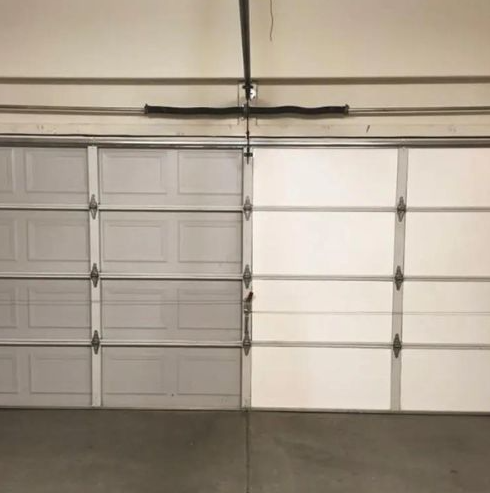
Professional observation: A “spring problem” often shows up as a chain reaction. When a spring loses tension, the door can start pulling the cables and cables can influence track loading. That is why a spring replacement is usually most successful when the tracks and related hardware are checked at the same time.
1) Look for balance and end-of-travel issues
If your door is hard to lift by hand or seems to “drop” faster than it should, the spring tension is likely off. Also note if the door binds near the top or bottom. Binding can be caused by roller wear, track alignment issues, or damaged sections, not only by springs.
2) Listen for the right clues
Broken-spring symptoms are often loud and sudden, while a worn spring may start with creaks or a slow loss of smoothness. If you hear grinding, a metal-on-metal scrape, or repeated clicking, that points to hardware friction. Those noises can be worsened when tension is wrong.
3) Inspect cables and tracks visually (from a safe distance)
Without moving components, look for obvious fraying, slack, or cable issues where the cable meets the drum. Then look down the track for bends or damage. If you see heavy wear patterns, contact marks, or a track that looks shifted, plan for a combined repair approach.
Track and roller friction
When springs weaken, the door can put more pressure on rollers and tracks. If the tracks are damaged, the door may never feel right after a spring-only fix.
Panel and hinge stress
Unbalanced movement can stress hinges and panels. If you notice misalignment in the door sections, hardware may need attention beyond spring replacement.
Weather and sealing
Once the door runs smoothly, check weather stripping and insulation so the door helps with drafts and temperature swings around Gainesville homes.
Main Things Customers Should Understand
Spring replacement is not only about swapping a worn part. The goal is correct tension and smooth travel across the full opening. In practice, that means the door’s balance, cable alignment, roller condition, and track condition all need to work together. If any one piece is out of spec, the door can feel noisy, uneven, or unsafe even after a spring change.
Torsion vs. extension: why it changes the approach
Most garage doors use torsion springs (mounted above the door) or extension springs (mounted along the tracks). The parts, tensioning method, and where you see wear can differ. A correct identification helps ensure the right replacement strategy and prevents mismatched components.
Why track repair and roller condition matter
Even if the springs are replaced correctly, damaged tracks can cause binding. Binding increases strain at the ends of travel and can lead to another cycle of premature wear. If your door has been scraping or pulling to one side, it is worth reviewing track condition before trusting that spring replacement alone will solve everything.
For related issues, you can explore garage door track repair and broken hinges or rollers to understand what commonly pairs with spring failure symptoms.
When panel replacement becomes part of the story
Sometimes the door’s sections are not aligned because the hardware is worn or because the door has been stressed by imbalance. If a section looks bowed or a hinge point looks bent, it may need panel-related work. That is separate from spring tension, but it affects how the door travels and whether the door stays quiet.
If you suspect section damage, review garage door panel replacement so you know what “replacement” might involve when the door has been under unusual load.
Quiet operation also depends on sealing
Once the door is moving smoothly, the next source of “annoying” performance is often outside air. Weather stripping and insulation help reduce drafts and can make the garage feel more comfortable while the door is closed. If you are already planning spring replacement, it is a good time to evaluate garage door weather stripping and garage door insulation.
Why This Matters in Gainesville, GA
Gainesville weather can swing between warm and cooler stretches, and that can change how garage doors feel and behave day to day. When temperatures shift, metal components expand and contract slightly. If your door is already borderline due to spring wear, that small movement can show up as stiffness, creaks, or uneven travel. Getting the spring tension correct and checking the tracks and rollers helps the door stay consistent through seasonal changes.
Local homeowner tip: In the Gainesville area, garages are often used frequently for commuting and weekend projects. That means small friction issues add up quickly. If your door starts sounding louder after a recent cold snap or after months of heavier use, consider a tune-up style inspection along with spring evaluation.
Common Mistakes to Avoid
Most spring-related problems get worse because the initial symptoms are ignored or because attempts are made to “work around” the balance issue. Springs are under significant stored force, and trying to adjust or compensate without the correct tools and procedure can lead to additional damage, including to cables, drums, or tracks.
1) Forcing the door open or closed
If the door is unbalanced, forcing it can increase stress on rollers and hinges. It can also shift components out of alignment, creating a bigger repair later.
2) Replacing only one side without confirming the system
Garage door spring setups are designed to work as a system. Even when one spring looks worse, the overall balance and tension should be evaluated so the door travels evenly across its full range.
3) Ignoring track damage after the spring swap
A spring replacement can be “correct” and still not feel right if the track is bent or a roller is failing. That is why it is smart to inspect the tracks and related hardware during the same visit.
4) Skipping the tune-up and inspection step
After any spring replacement, a tune-up helps verify travel, alignment, and smoothness. You can read about what that process typically includes in garage door tune-up & inspection.
Customer Checklist
Use this checklist to prepare for spring replacement and to help you communicate what you are seeing. The more accurate your observations are, the faster a technician can narrow down the root cause and recommend the correct parts.

- Note what changed: heavy lifting, uneven travel, sudden noise, or a door that will not hold position.
- Record when it happens: only when closing, only near the top, or on every opening and closing cycle.
- Observe whether the door is off-center or pulls to one side while moving.
- Check for visible hardware issues from a safe distance, including cable condition and obvious track bending.
- Look for related wear signs: grinding noises, squeaking rollers, or hinges that look misaligned.
- Decide whether you also want to review weather stripping and insulation for draft reduction and comfort.
- Confirm that the repair plan includes checking surrounding components, not just swapping a spring.
Representative scenario: what a spring replacement visit often uncovers
One common situation we see around Gainesville is a homeowner noticing the door becomes harder to open after it has been used more frequently for months. The door might still open, but it is louder and slightly uneven. During inspection, the technician finds spring tension is off and also sees signs of friction in the track path. After replacement and proper adjustment, the door travels more smoothly, and the noise drops because the door is no longer forcing rollers through a rough track line.
Ready for a safer, smoother door in Gainesville?
If you suspect spring tension issues, have Always Open Garage Doors take a look. We will inspect the full system so your replacement work supports quiet, balanced operation.
(770) 965-8973Frequently Asked Questions
How do I know if my garage door problem is the springs and not something else?
Spring-related issues usually show up as balance problems, such as a door that feels unusually heavy, moves unevenly, or drops faster than expected. You may also notice the opener working harder or the door making new creaks or grinding sounds during travel. That said, worn rollers, damaged tracks, or hinge issues can create similar symptoms. The most reliable approach is to have the door inspected so the technician can confirm tension and check the components the springs work with.
Is spring replacement a DIY job for homeowners?
Spring replacement involves stored energy and can be dangerous if the correct procedure is not followed. Even small mistakes can affect cables, drums, and track alignment, which may create additional issues after the repair. For that reason, it is safer to leave spring replacement to a qualified garage door team. Always Open Garage Doors can inspect the full system and handle the tensioning and adjustments needed for safe, balanced operation in Gainesville.
Will a new spring make my garage door quieter?
A correctly replaced spring can reduce the strain that makes doors feel loud or unstable, especially when the door has been fighting imbalance. Quiet operation also depends on friction points. If your door’s tracks are rough, rollers are worn, or hinges have damage, the door can still make noise even with fresh springs. That is why a good inspection pairs spring replacement with checks for related wear so the door runs smoothly from top to bottom.
What should I ask about during a spring replacement inspection?
Ask the technician to confirm the door’s balance and verify that cables and track alignment look correct. It also helps to ask whether roller condition or hinge wear is contributing to the symptoms you noticed. If the door has been hard to operate for a while, consider asking for a tune-up and inspection to verify smooth travel after the work. If you care about comfort and drafts, you can also discuss weather stripping and insulation options.
Can the opener be the cause of spring-related symptoms?
Sometimes the opener seems like the culprit because it is moving the door, but spring tension issues often change how much force the opener needs to apply. If the springs are weak or the door is out of balance, the opener may work harder, change sound, or feel like it is straining. A proper inspection looks at both the door’s mechanical balance and the opener’s operation so the repair addresses what is actually causing the problem.
Get the right repair plan for your door
If you are dealing with spring replacement concerns, Always Open Garage Doors serves Gainesville, GA and surrounding areas with system-focused garage door repair. The goal is a door that opens and closes smoothly, stays balanced, and runs with less friction.
Visit Always Open Garage Doors
Always Open Garage Doors
Always Open Garage Doors provides garage door repair and service for homeowners and property managers in Gainesville, GA and the surrounding areas. From spring replacement and track repair to weather stripping, insulation, and tune-up and inspection, we focus on restoring smooth, balanced operation so your door runs quieter and more reliably.