Garage Door Safety Tips for Homeowners

Garage Door Safety Tips for Homeowners

On any given weekday morning in Gainesville, you can see garage doors going up and down all over town as people head out to work, school, or Lake Lanier. Most of those doors weigh 150–300 pounds, yet they’re often treated like a simple convenience instead of the powerful mechanical systems they are. Nationwide, thousands of injuries are linked to garage doors every year, from pinched fingers to serious impact injuries and property damage.

In North Georgia, where garages often double as workshops, storage, and even home gyms, a faulty or unsafe door can quickly become a real hazard. Add in our humidity, storms, and temperature swings, and you’ve got a system that needs regular attention to stay safe and reliable.

This guide walks you through practical, homeowner-friendly safety tips—from daily habits to professional maintenance—so you can keep your family, pets, and vehicles safe. You’ll learn what to check yourself, what to leave to the pros, and how smart upgrades can make your garage door safer and more dependable year-round.

Key Insight: Treat your garage door like any other major mechanical system in your home—regular checks, smart upgrades, and timely repairs dramatically reduce safety risks and costly breakdowns.


Understanding the Hidden Risks in Your Garage Door System

Most people only think about their garage door when it stops working. From a safety standpoint, that’s already too late. A typical residential garage door has over a dozen moving components that must work together correctly every single cycle.

The main safety risks usually come from:

  • Worn or misaligned tracks
  • Failing springs
  • Damaged panels
  • Worn hinges and rollers
  • Faulty openers or sensors

Each of these issues can develop slowly, with subtle warning signs that are easy to miss in a busy household.

“Garage doors are the largest moving object in most homes, yet they’re often the least maintained.” — Industry Safety Council

In Gainesville, we often see problems accelerated by:

  • Pollen and dust buildup causing rollers to drag
  • Humid summers leading to rust on metal components
  • Sudden temperature shifts affecting metal fatigue and insulation

For example, a homeowner off Browns Bridge Road ignored a slight scraping sound for months. Eventually, a bent track caused the door to bind and jump off the rail on one side. Thankfully no one was hurt, but the repair ended up involving Track Replacement, roller replacement, and a new opener bracket—far more expensive than if the issue had been caught early.

Tip: If your garage door starts sounding different—louder, squeakier, or more “grindy”—that’s your first safety warning sign. Don’t ignore it.

CALLOUT: Any change in sound, speed, or smoothness is a safety clue. If something feels “off,” it probably is.


Safe Hardware: Tracks, Hinges, Rollers, and Panels

The hardware that guides and supports your garage door is your first line of defense against accidents. When these components fail, you risk a door derailing, slamming, or jamming unexpectedly.

Tracks: Keeping the Door on Course

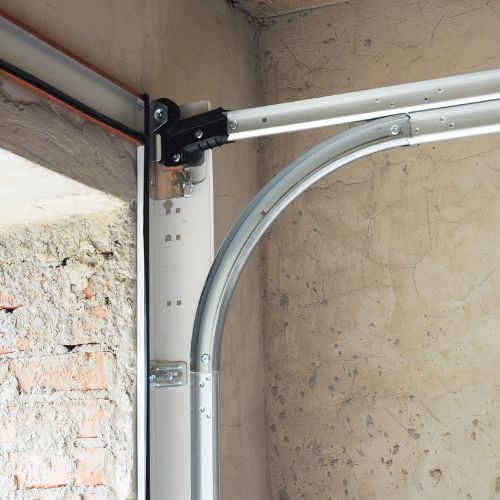
Bent or misaligned tracks are one of the most common issues we see around Gainesville. Kids bump them with bikes, cars tap them pulling in, or they simply rust and warp over time.

  • A minor bend can usually be addressed with Track Repair.
  • Severe damage, corrosion, or repeated issues often call for full Track Replacement for long-term safety.

If you notice your door rubbing, hesitating, or leaving a gap on one side, stop using it until it’s inspected. A derailed door can fall crookedly and damage vehicles—or worse, injure someone underneath.

Hinges and Rollers: Small Parts, Big Safety Role

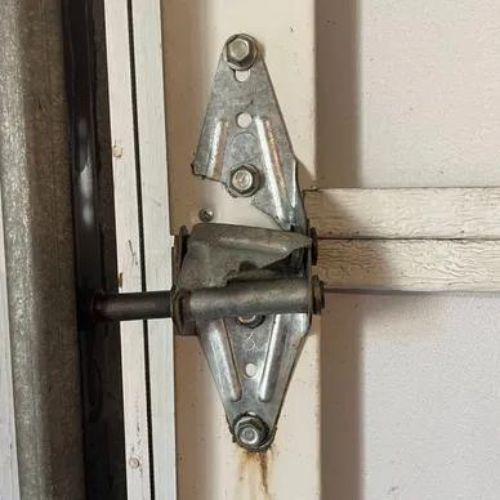
Hinges connect the door sections, while rollers guide it in the tracks. When these fail, the door can twist, bind, or sag.

Signs of Broken Hinges or Broken Rollers include:

  • Popping or snapping sounds
  • Visible cracks in hinges
  • Rollers that wobble or leave metal shavings
  • Sections of the door flexing more than others

A Gainesville customer near the University of North Georgia campus noticed her door jerking halfway up. A quick inspection showed two cracked hinges and worn rollers ready to fail. Replacing them not only smoothed out the operation but reduced the strain on her opener and springs, extending their life.

Panels: More Than Just Appearance

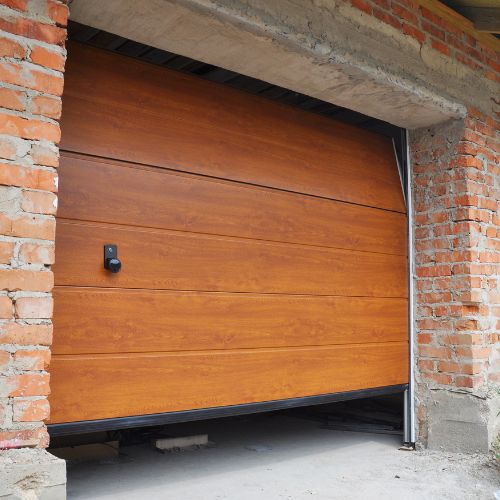
Damaged panels aren’t just cosmetic. A bent or cracked section can throw off weight distribution and stress other components. In some cases, targeted Panel Replacement is a safe, cost-effective alternative to replacing the entire door.

“A misaligned or damaged panel can act like a kink in a chain—everything else starts working harder to compensate.” — Senior Technician, Always Open Garage Door Services

Tip: Never try to “force” a stuck door by pulling on it or holding the button down. You may be fighting a serious hardware issue.

Springs and Lift Systems: The Most Dangerous Part of the Door

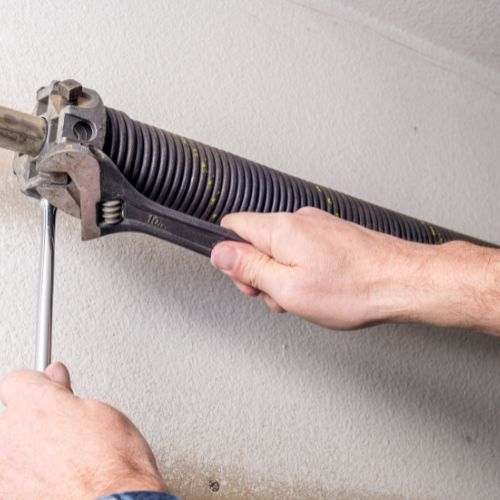
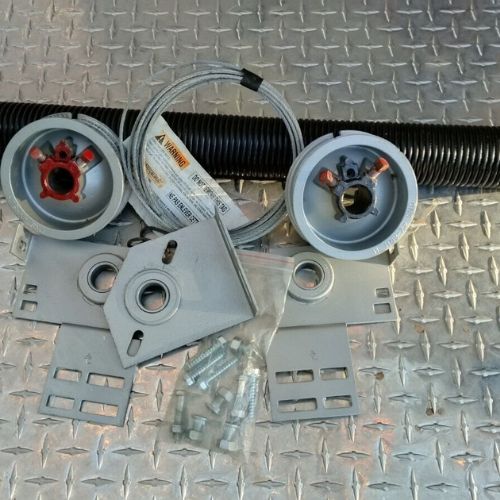
If there’s one component homeowners should never attempt to repair themselves, it’s the spring system. Garage door springs are tightly wound steel coils designed to counterbalance the heavy weight of the door. When they fail, they can do so with explosive force.

Why Springs Are So Critical

Without properly functioning springs, your opener is trying to lift the full weight of the door. That leads to:

  • Overheating motors
  • Broken gears and chains
  • Doors that slam shut if the opener fails

In the Gainesville area, we often see springs reach the end of their life after 7–10 years of regular use. You may notice:

  • A loud bang in the garage
  • A visible gap in the spring coil
  • The door suddenly becoming very heavy or not opening at all

That’s when you need professional Spring Replacement—immediately.

Wayne Dalton Torsion Conversions

Many older homes around Lake Lanier and in established Gainesville neighborhoods still have Wayne Dalton Torquemaster spring systems. While they were innovative in their time, they’re known for:

  • Shorter life expectancy
  • Hidden failures (the springs are enclosed)
  • Higher replacement costs over time

Upgrading to a standard torsion spring system using a Wayne Dalton Torsion Conversion provides:

  • Stronger, more durable springs
  • Easier future maintenance
  • Better performance and reliability

We recently worked with a homeowner off Thompson Bridge Road whose Torquemaster system failed with his car stuck inside. After converting to torsion springs, he gained a safer, more serviceable system and hasn’t had a problem since.

Spring System Type Typical Lifespan (Cycles) Safety & Reliability Long-Term Cost in Gainesville
Original Torquemaster 8,000–10,000 Moderate Higher (frequent repairs)
Standard Torsion (Converted) 15,000–20,000+ High Lower (fewer failures)

CALLOUT: Never operate a door with a broken spring, even manually. The full weight of the door can cause severe injury if it slips.


Safety Features, Motors, and Modern Openers

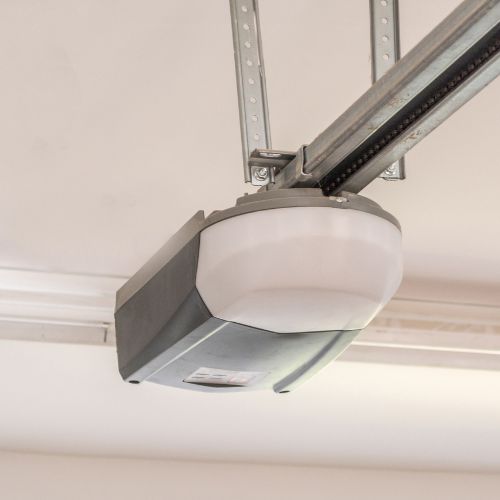
Your garage door opener is more than a convenience—it’s a safety device. Modern openers come with built-in protections that dramatically reduce the risk of accidents, especially in homes with kids and pets.

Photo Eyes and Auto-Reverse

Since the early 1990s, openers have included photoelectric sensors (“photo eyes”) near the floor. These detect objects in the door’s path and trigger the auto-reverse function.

You should test this monthly:

  • Place a roll of paper towels or a small box under the open door.
  • Close the door using the wall button.
  • The door should reverse as soon as it touches the object.

If it doesn’t, that’s a serious safety issue. A professional Motor Installation or repair may be needed to restore proper safety features.

When to Consider a New Opener

In Gainesville, we regularly replace openers that:

  • Are more than 15–20 years old
  • Lack photo eyes or reliable auto-reverse
  • Make grinding or straining noises
  • Struggle to lift the door despite good springs

Newer openers offer:

  • Quieter belt-drive systems (great for homes with bedrooms over the garage)
  • Battery backup for power outages (useful during summer storms)
  • Smart controls via smartphone apps
  • Enhanced security features to prevent code grabbing

A family in a subdivision off Sardis Road upgraded their noisy chain-drive opener after it failed to reverse when their dog ran under the closing door. The new unit is whisper-quiet, has a strong LED light panel, and allows them to check door status from their phones—peace of mind they didn’t realize they were missing.

Tip: Mount the wall control at least five feet above the floor and away from reach of small children to prevent accidental operation.

Weather, Insulation, and Seals: Safety Beyond the Door Itself

Safety isn’t just about moving parts. A poorly sealed, uninsulated garage can invite pests, moisture, and even carbon monoxide issues—all of which affect your home’s safety and comfort.

Weather Stripping and Bottom Seals

Your garage door’s perimeter and bottom seals keep out:

  • Rainwater
  • Rodents and insects
  • Drafts and dust

Over time, these rubber and vinyl components dry out, crack, or compress. In Gainesville’s humid climate, we often see mold and mildew form around old seals, and critters find their way through even small gaps.

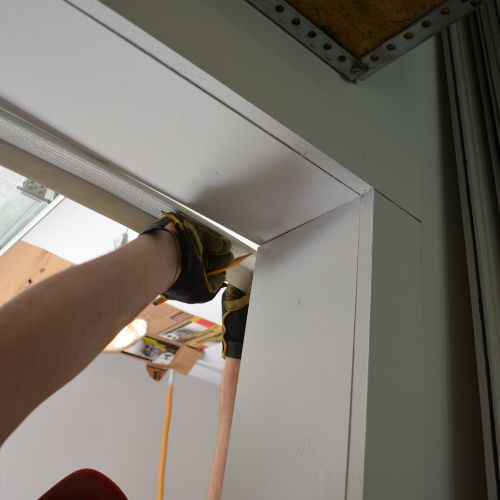
Replacing worn seals with proper Weather Stripping and a fresh Bottom Rubber Replacement helps:

  • Maintain indoor air quality
  • Protect stored items from moisture
  • Prevent slip hazards from water intrusion

A homeowner near downtown Gainesville noticed water pooling in his garage after heavy rain, creating a slippery mess near the entry door. A new bottom seal and side weather stripping solved the problem and kept the space drier and safer.

Insulation and Comfort

While Insulation is often discussed in terms of energy savings, it also plays a safety role:

  • Reduces condensation that can lead to slippery floors
  • Helps prevent extreme temperature swings that affect metal fatigue
  • Makes the garage more usable as a safe workspace or play area
Feature Safety Benefit Typical Gainesville Impact
New Weather Stripping Reduces water and pest intrusion Drier floors, fewer trip hazards
Bottom Rubber Replacement Seals large gaps at floor level Less debris and standing water
Insulated Door/Panels Stabilizes temperature, reduces condensation More comfortable, safer workspace

CALLOUT: A clean, dry, well-sealed garage is less likely to hide hazards like slippery spots, mold, or damaged items that could fall.


Routine Tune-Ups and Inspections: Your Safety Checklist

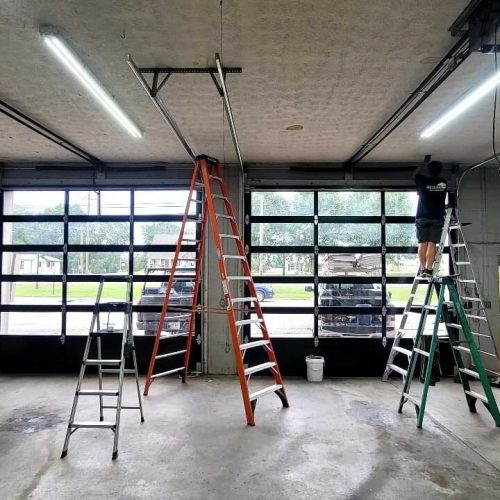
Just like your HVAC system or car, your garage door needs periodic professional attention. A thorough Tune-Up and Inspection can catch small issues before they turn into safety risks or expensive repairs.

What a Professional Inspection Typically Includes

A reputable technician will:

  • Inspect and test springs, cables, and drums
  • Check and adjust track alignment
  • Examine hinges, rollers, and brackets
  • Test opener force and travel limits
  • Verify photo eye alignment and auto-reverse function
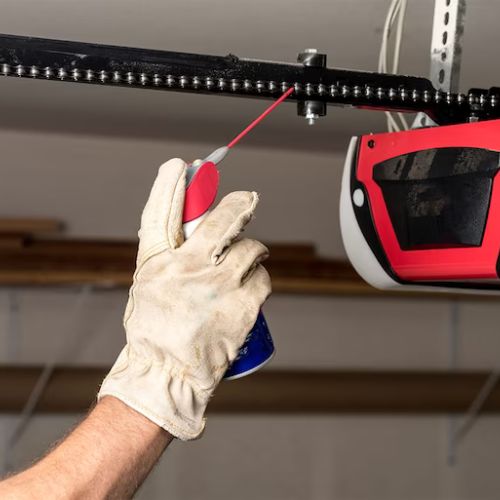
  • Lubricate appropriate moving parts
  • Look for structural issues in panels and framing

In Gainesville, we often recommend annual inspections for average-use homes, and twice a year for:

  • Rental properties
  • Homes with multiple vehicles and heavy daily use
  • Households where the garage is the primary entry door

One family in a neighborhood off McEver Road scheduled a routine inspection after noticing their door was “a little louder.” The technician found a fraying lift cable and a cracked hinge—both potential failure points. Addressing them during the tune-up prevented a likely mid-winter breakdown and a stranded vehicle.

Tip: Mark your calendar or set a phone reminder to test your door’s balance and auto-reverse every three months.

Simple Safety Checks You Can Do Monthly

Between professional visits, you can:

  • Visually inspect springs and cables (from a distance—no touching)
  • Listen for new noises or grinding
  • Watch the door as it opens and closes—does it move smoothly?
  • Test the wall-mounted emergency release (with the door closed)
  • Make sure remotes and keypads are working properly

CALLOUT: If you ever feel you need to “help” the door open or close, stop using it and call for service. Extra force usually means a hidden safety issue.


What This Means for Homeowners in Gainesville, GA

Gainesville’s mix of older homes, new construction, and lake properties means there’s no one-size-fits-all garage door setup. But the safety principles remain the same.

Local factors that make garage door safety especially relevant here include:

  • Weather extremes: Hot, humid summers and chilly winters stress metal components, seals, and electronics.
  • Storm activity: Power outages and lightning can damage openers and safety sensors.
  • High usage: Many Gainesville families use the garage as their primary front door, often cycling it dozens of times a day.

Because of this, small issues tend to surface faster here than in milder climates. A slightly bent track, a worn roller, or a weak spring can escalate from nuisance to hazard in a matter of weeks with heavy use.

By prioritizing:

  • Regular professional tune-ups
  • Timely Track Repair or replacement when needed
  • Appropriate Panel Replacement instead of “living with” damage
  • Updated Motor Installation with modern safety features
  • Fresh Weather Stripping and Bottom Rubber Replacement

you’re not just maintaining a door—you’re protecting an entry point, a major mechanical system, and a key part of your home’s daily life.

If you have kids running in and out, teenagers learning to drive, or you simply rely on your garage every day, treating that door with the same respect you give your car’s brakes or your home’s electrical system is a smart, practical move.


Frequently Asked Questions

Q: How often should I have my garage door professionally inspected in Gainesville?
A: For most Gainesville homeowners, a professional Tune-Up and Inspection once a year is a good baseline. If your garage is the main entry to your home or you have multiple drivers using it several times a day, twice-yearly inspections are wise. Our climate—humid summers, pollen, and temperature swings—can accelerate wear on springs, rollers, and weather seals. Regular inspections catch issues like fraying cables, worn rollers, or misaligned tracks before they become safety hazards or cause a full breakdown. Think of it like an oil change for your garage door system: small, scheduled maintenance that prevents big, inconvenient repairs.

Q: Is it safe to replace garage door springs myself to save money?
A: No. Garage door springs are under extreme tension and can cause serious injury or property damage if handled incorrectly. We strongly recommend professional Spring Replacement for any torsion or extension spring work. Technicians use specialized tools and follow safety protocols to safely unwind old springs and install new ones. In the Gainesville area, we’ve seen DIY attempts result in bent shafts, damaged doors, and even emergency room visits. The cost savings of doing it yourself are quickly erased if something goes wrong. For your safety and your door’s reliability, leave spring work to trained professionals.

Q: My garage door still works, but one panel is damaged. Do I need a whole new door?
A: Not necessarily. If the damage is limited to one or two sections and the rest of the door is in good condition, targeted Panel Replacement can be a smart, cost-effective solution. This is common after a low-speed bump from a car or lawn equipment. A technician will check that the door’s frame, tracks, and hardware are still structurally sound. In many Gainesville homes, especially newer construction, we can match the existing style and color closely. However, if the door is older, heavily rusted, or multiple panels are compromised, a full replacement may be safer and more economical long-term.

Q: How do I know if my old opener is safe, or if I should replace it?
A: Age and features are the two big indicators. If your opener was installed before the early 1990s and doesn’t have photo eyes (the sensors near the floor), it does not meet current safety standards and should be upgraded. Even newer units can become unsafe if their safety features fail. Test the auto-reverse monthly by placing an object in the door’s path; if it doesn’t reverse promptly, that’s a red flag. A modern Motor Installation gives you updated safety features, quieter operation, and often smart controls. Given Gainesville’s frequent storms and power blips, many homeowners also appreciate battery backup options.

Q: What safety issues can worn weather stripping or bottom seals cause?
A: While it may seem minor, failing Weather Stripping and bottom seals can create several indirect safety concerns. Water intrusion can make garage floors slippery, especially on smooth concrete. Gaps allow pests and rodents inside, which can damage stored items or chew wiring. Poor sealing can also draw in exhaust fumes if you warm up your car in the garage. A simple Bottom Rubber Replacement and new perimeter seals improve comfort, cleanliness, and safety—particularly important for Gainesville homeowners who use their garage as a workshop, gym, or play area.

Q: Are noisy doors just annoying, or can noise be a safety concern?
A: Noise is often your first warning sign that something isn’t right. Grinding, squealing, or banging sounds can indicate issues with rollers, hinges, tracks, or even springs. For example, worn rollers can wobble in the track, increasing the risk of derailment. Loose hardware can cause sections to flex more than they should. During a Tune-Up and Inspection, a technician can pinpoint the cause and address it before it becomes dangerous. In Gainesville homes with bedrooms over or next to the garage, upgrading to quieter hardware and a modern opener also improves comfort and reduces nighttime disturbances.

Q: How does insulation relate to safety in my garage door?
A: Insulation is often seen as an energy upgrade, but it has safety benefits too. A better-insulated door helps control condensation, reducing the chance of slick floors and mold growth. Stable temperatures are easier on metal parts, which can mean fewer sudden failures. If you use your garage as a workspace or for hobbies, improved insulation makes the environment more comfortable and safer to spend time in. In Gainesville’s hot summers and chilly winter mornings, insulated doors also help protect stored items—like paints, chemicals, or tools—from extreme temperatures that can make them unsafe or unusable.


Ready to Get Started?

If your garage door has been squeaking, sticking, or just making you a little nervous, this is the right time to act—before a minor issue turns into a major safety problem. Gainesville’s busy mornings and unpredictable weather don’t leave much room for a stuck door or a sudden spring failure, especially when you’re trying to get to work or school on time.

A professional safety-focused visit can include a full Tune-Up and Inspection, assessment of your springs and hardware, recommendations for any needed Track Repair, Panel Replacement, or Motor Installation, and options for improving your weather seals and insulation.

Always Open Garage Door Services is locally based, understands the unique demands of North Georgia homes, and offers prompt, professional service. Whether you’re in downtown Gainesville, near Lake Lanier, or in a surrounding neighborhood, we’re here to help you make your garage door safer, smoother, and more reliable.

About Always Open Garage Door Services

Always Open Garage Door Services is a locally owned and operated company serving Gainesville, GA and the surrounding North Georgia communities. Our team brings years of hands-on experience with residential garage door repair, installation, and safety upgrades. From spring and track work to opener replacements and weather sealing, we focus on doing the job right the first time, with clear communication and honest recommendations. To learn more about our services and commitment to local homeowners, visit our homepage at https://aogds.com/.

Leave a Comment

Your email address will not be published. Required fields are marked *

Scroll to Top