DIY Garage Door Repairs You Can Tackle
On a chilly January morning in Gainesville, a garage door that won’t open can throw off your entire day. You’re trying to get kids to school, beat traffic on Queen City Parkway, or make it to a jobsite on time—and suddenly the biggest moving system in your home is stuck. According to industry data, the average garage door opens and closes more than 1,500 times a year, which means wear and tear adds up fast, especially with Georgia’s humidity and temperature swings.
The good news: not every problem requires a major repair bill. There are several safe, practical garage door fixes you can handle yourself with basic tools and a little guidance. Knowing what you can DIY—and what you should leave to a pro—can save you money, extend the life of your door, and keep your Gainesville property more secure.
In this guide, you’ll learn which DIY repairs are realistic for homeowners, how to perform them safely, when to step back and call an expert, and how small fixes today can prevent big issues tomorrow.
Key Insight: You can safely handle basic garage door maintenance and minor repairs yourself, but anything involving high-tension parts, heavy lifting, or complex electronics is best left to a trained technician.
Safety First: What You Should—and Shouldn’t—DIY
Before you grab a ladder and a wrench, it helps to understand how your garage door system works. A standard residential door can weigh 150–300 pounds, and it’s powered by springs that are under enormous tension. That combination is why the Door & Access Systems Manufacturers Association (DASMA) urges homeowners to treat certain components with extreme caution.
There are three basic categories of work:
- Safe for most homeowners: Lubrication, visual inspections, tightening loose screws, simple weather stripping, basic Tune-Up and Inspection tasks.
- DIY-friendly with care: Adjusting photo eyes, replacing bottom seals, swapping out a single hinge or roller if you’re comfortable with tools.
- Professional only: Any Spring Replacement, full Wayne Dalton Torsion Conversion, major Track Repair or replacement, heavy Panel Replacement, and most Motor Installation work.
“Garage door springs and cables store enough energy to move several hundred pounds. One wrong move can release that energy in a split second.” — DASMA Safety Bulletin
In Gainesville, we often see DIY attempts go wrong when someone tries to adjust torsion springs or bend a bent track back into place. One local homeowner near Lake Lanier tried to “straighten” a damaged track with a pipe wrench; the door jumped the track entirely and ended up costing far more to fix than if they’d called early.
In the sections below, we’ll focus on repairs you can typically tackle safely, and point out the clear red lines where you should bring in a pro.
Quieting Noisy Doors and Fixing Simple Hardware Issues
A noisy, rattling door is one of the most common complaints we hear from Gainesville homeowners. The good news: it’s often caused by minor issues you can address in an afternoon.
Lubrication and Basic Tightening
Humidity and temperature swings in Hall County can dry out metal components and loosen hardware over time. A basic DIY tune-up includes:
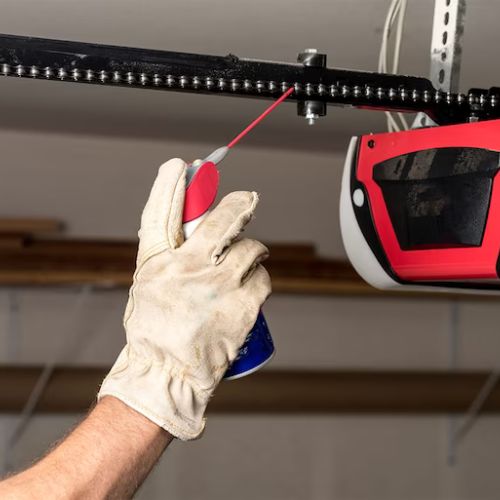
- Applying a garage-door-specific lubricant (not WD-40) to hinges, rollers, and springs.
- Gently tightening loose lag screws that secure the tracks and opener to framing.
- Checking the opener chain or belt tension (following the manufacturer’s instructions).
A small business owner on Browns Bridge Road called us because his door shook every time it opened, worrying customers. All he needed was lubrication and tightening a few bolts; once done, the door sounded almost new.
CALLOUT: If your door is noisy but still operating smoothly and evenly, you’re probably dealing with minor wear, not a structural problem.
Handling Minor Broken Hinges and Rollers
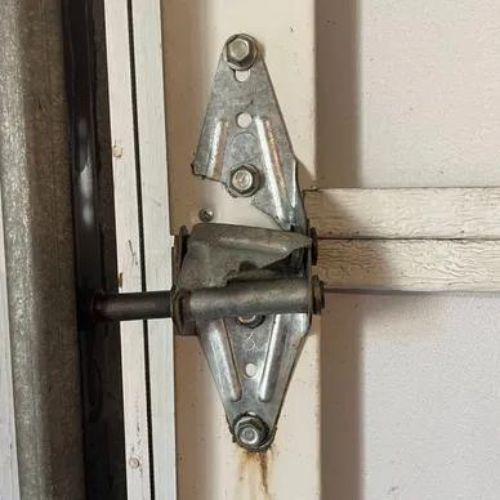
If you notice a single squeaky or wobbly roller, or a hinge that’s cracked but still intact, you may be able to replace that individual part yourself. However, there are important limits:
- Work with the door fully closed and disconnected from the opener.
- Replace only one Broken Hinges or Broken Rollers at a time.
- Never remove hinges that support the curved sections of track without understanding how the door is supported.
“Any time you remove hardware that supports the door’s weight, you’re changing the way hundreds of pounds are being held in place.” — Senior Technician, Always Open Garage Door Services
If the door sags, binds, or looks uneven when you’re partway through a repair, stop and call a professional. A quick phone consultation can keep a simple fix from becoming a major safety hazard.
Weather Stripping and Bottom Rubber: DIY Comfort and Energy Savings
Gainesville’s weather can be tough on garage doors. Summer heat, winter cold snaps, and frequent rainstorms all find their way through tiny gaps. If you feel a draft near your garage door or see daylight peeking through the bottom or sides, you’re probably losing money on energy bills.
Replacing Weather Stripping and Bottom Seals
The perimeter weather stripping and bottom rubber seal are among the most DIY-friendly components to replace:
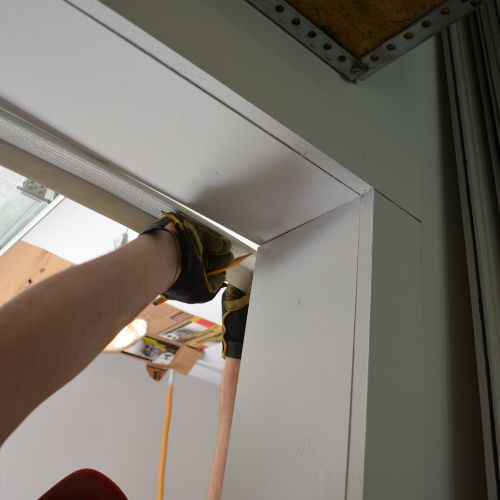
- Perimeter weather stripping: Usually attached to the door jamb with nails or screws. You can remove the old material, cut new stripping to length, and fasten it in place while the door is closed.
- Bottom seal: Most modern doors use a “T” or “bulb” style seal that slides into a retainer on the bottom section. You slide the old one out and the new one in.
A homeowner off Thompson Bridge Road noticed puddles forming inside the garage after heavy rain. By installing new Weather Stripping and completing a Bottom Rubber Replacement, they stopped the water intrusion and reduced the musty smell in the garage.
Adding Insulation for Comfort and Noise Control
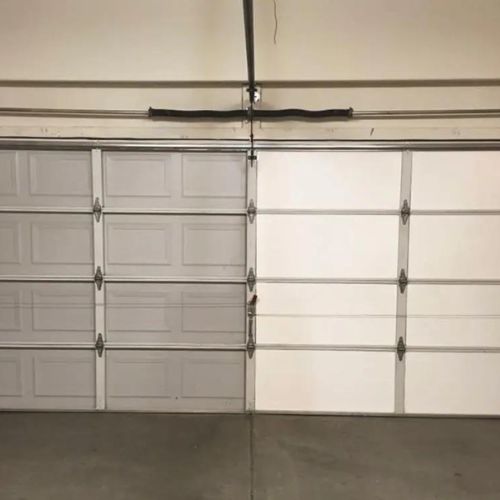
If your garage doubles as a workshop or home gym, improving its thermal performance can make a big difference. Adding Insulation to your existing door is a project many Gainesville homeowners can handle:
- Foam board or reflective insulation kits can be cut to fit between the door’s horizontal rails.
- Lightweight materials won’t overload the opener when installed correctly.
- You’ll often notice reduced road noise and a more stable temperature in adjacent rooms.
Here’s a quick comparison of DIY vs. professional approaches for sealing and insulating your garage door:
| Aspect | DIY Weather Stripping & Insulation | Professional Service in Gainesville |
|---|---|---|
| Upfront Cost | Lower (materials only) | Higher (labor + materials) |
| Time Required | 2–4 hours for most homeowners | 1–2 hours |
| Energy Savings Potential | Moderate to high | High (optimized materials & fit) |
| Risk of Installation Mistakes | Moderate | Low |
| Best For | Budget-conscious improvements | Long-term performance & warranties |
For many Gainesville homes, starting with DIY weather stripping and bottom seal replacement is a cost-effective first step. If your garage is conditioned space or you’re running a small business out of it, a professional insulation upgrade may be worth the investment.
Tracks, Alignment, and When to Stop DIY
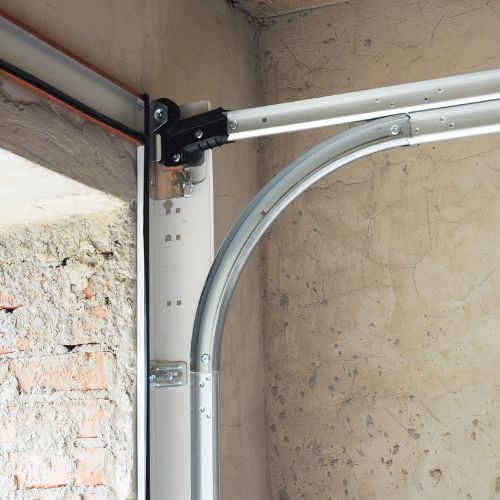
The metal tracks that guide your garage door look simple, but they play a critical role in safety and smooth operation. Minor alignment tweaks are sometimes manageable for a handy homeowner; major Track Replacement or repair is not.
Spotting Track Problems Early
Common early warning signs include:
- The door rubs or scrapes on one side.
- Rollers pop or jerk as the door moves.
- You see small gaps between the rollers and track.
In one Gainesville case near Riverside Drive, a contractor stored ladders too close to the door. A bump bent the vertical track slightly. The homeowner noticed a grinding noise but kept using the door. Within weeks, the rollers jumped the track, leaving the door crooked and stuck halfway.
“Once a door comes off its tracks, the entire system is unstable. That’s not a DIY situation.” — Always Open Garage Door Services Technician
What You Can Safely Adjust
With the door closed and secured:
- You may gently loosen the track mounting bolts and nudge the track a small distance to even out minor rubbing.
- Use a level to ensure the vertical tracks are plumb and the horizontal tracks have a slight downward slope toward the back.
However, you should not:
- Try to straighten badly bent tracks with force.
- Remove major sections of track yourself.
- Operate a door that looks crooked or jammed in the track.
When professional Track Repair or replacement is needed, technicians have the right tools to safely support the door, remove damaged sections, and realign the system to manufacturer standards. This is especially important for heavier insulated or wood doors common in newer Gainesville subdivisions.
Panels, Springs, and Conversions: Know Your Limits
Some of the most serious garage door problems involve damaged panels and worn springs. While they might look like straightforward parts to swap out, these are areas where DIY often crosses into unsafe territory.
Cosmetic vs. Structural Panel Damage
If your door has minor cosmetic damage—small dents from a stray baseball in a Gainesville backyard—you might be able to live with it or use a DIY dent repair kit. But deeper damage is a different story:
- Cracked or bent panels can affect the door’s structural integrity.
- Misaligned sections can strain the opener and tracks.
- Severe damage often calls for professional Panel Replacement.
We recently helped a homeowner off McEver Road whose teenager misjudged the distance backing out. The bottom section was bent inward, and the door wouldn’t close fully. They considered unbolting the section themselves, but because that bottom panel holds the Bottom Rubber Replacement seal and is tied into the lifting system, we strongly recommended professional service. Once we replaced the section and tuned the system, the door operated like new.
Springs and Wayne Dalton Torsion Conversions
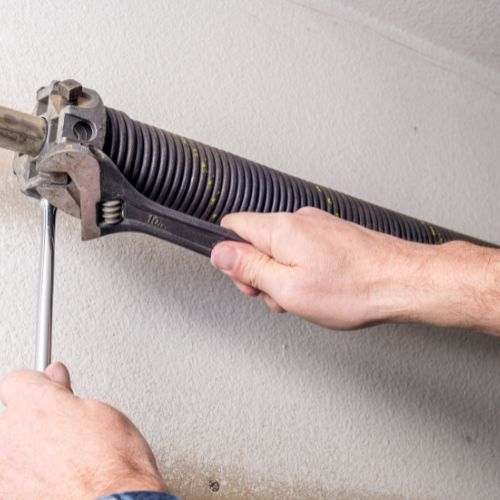
Torsion and extension springs balance the full weight of your door. Replacing or adjusting them is one of the most dangerous garage door tasks. Industry best practices and OSHA guidelines both recognize the risk of severe injury.
Key points:
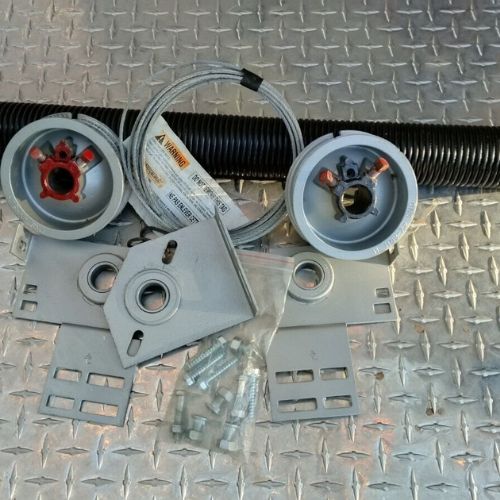
- Any Spring Replacement should be handled by a trained technician with proper winding bars and safety equipment.
- Older Wayne Dalton TorqueMaster systems are notorious for hidden wear. Many Gainesville homeowners are opting for a Wayne Dalton Torsion Conversion to a more standard, serviceable torsion setup.
Here’s a quick comparison of DIY vs. professional approaches for major components:
| Repair Type | DIY Feasibility | Risk Level | Recommended Approach in Gainesville |
|---|---|---|---|
| Minor cosmetic panel touch-up | Possible | Low | DIY if purely cosmetic |
| Full panel replacement | Low | Medium | Professional service |
| Spring adjustment/replacement | Not advised | Very High | Professional only |
| Torsion conversion | Not feasible | Very High | Professional only |
If cost is a concern, talk to a local company about options. Often, safely repairing or upgrading springs and panels now prevents expensive emergency calls later—especially during peak seasons when contractors in Gainesville book up quickly.
Openers, Motors, and Smart Upgrades You Can Handle
Modern garage door systems are part mechanical, part electrical, and increasingly part “smart home.” Some opener-related tasks are quite manageable for homeowners; others are better handled by a technician.
Simple Opener Fixes and Adjustments
Common DIY-friendly tasks include:
- Replacing remote or keypad batteries.
- Reprogramming remotes and keypads using the opener’s “learn” button.
- Adjusting the open/close travel and force settings per the owner’s manual.
- Cleaning and realigning safety photo eyes near the bottom of the tracks.
A Gainesville resident near the University of North Georgia campus called us worried that her door was “broken” because it kept reversing. The fix? The sun was reflecting off a parked car and confusing one of the photo eyes. A quick cleaning and slight angle adjustment solved the problem.
When to Call for Motor Installation or Replacement
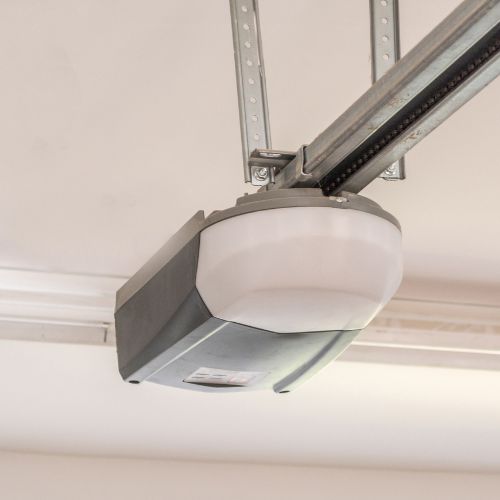
If your opener is more than 15–20 years old, struggles to lift the door, or makes grinding noises, it may be time for a new unit. While some handy homeowners tackle Motor Installation themselves, there are real advantages to professional help:
- Ensuring the opener is properly sized for your door’s weight and usage.
- Correctly anchoring the opener to Gainesville homes’ varied framing styles.
- Integrating smart features, battery backup, and security settings.
We recently replaced an undersized opener in a North Hall home where the owner had installed it himself years earlier. It worked—but strained constantly and finally failed. The new, properly sized opener runs quieter, uses less energy, and should last significantly longer.
If you’re comfortable with ladders, basic electrical work, and following detailed instructions, you might tackle a straightforward opener swap. If not, having a pro handle the Motor Installation is usually a smart investment.
Building a Simple DIY Maintenance Routine
The most valuable DIY “repair” is actually prevention. A basic maintenance routine can catch small issues before they become expensive emergencies—especially in Gainesville’s mixed climate, where heat, humidity, and storms all take a toll.
Quarterly Visual Check
Every three months, take 10–15 minutes to:
- Watch and listen to a full open/close cycle from inside the garage.
- Look for wobbling, jerking, or uneven movement.
- Check the condition of weather stripping, bottom seal, and visible hardware.
Annual DIY Tune-Up
Once a year, set aside an hour for a simple Tune-Up and Inspection:
- Lubricate hinges, rollers, and springs with appropriate lubricant.
- Tighten accessible bolts and screws that have loosened with vibration.
- Test the opener’s safety reversal system using a 2×4 laid flat under the door.
- Inspect for early signs of Broken Rollers or hinges (cracks, excessive wobble).
“An hour of focused maintenance each year can easily add five years or more to a garage door system’s lifespan.” — Always Open Garage Door Services Owner
If you discover anything beyond your comfort level—cracked springs, severely worn cables, bent tracks—note it and schedule professional service. Your DIY inspection still saved you money by catching the problem early.
What This Means for Businesses in Gainesville, GA
For Gainesville businesses—whether you’re running an auto shop off Atlanta Highway, a landscaping company storing equipment, or a light industrial operation—garage door downtime is more than an inconvenience. It affects deliveries, security, and productivity.
Knowing which tasks your staff can safely handle and which require professional service helps you:
- Control maintenance costs without cutting corners on safety.
- Reduce unexpected downtime during peak seasons.
- Extend the life of high-cycle commercial doors.
For example, a local HVAC company we work with trains their team to:
- Perform monthly visual checks and lubrication.
- Replace simple weather stripping and bottom seals.
- Report any signs of track damage, spring wear, or panel deformation immediately.
They leave Track Replacement, Spring Replacement, and Motor Installation to our technicians. The result? Fewer surprise breakdowns and safer work conditions.
In a growing market like Gainesville—where new developments and small businesses are popping up around Mundy Mill and beyond—proactive door care is part of protecting your investment. A stuck or unsafe door can delay shipments, create liability risks, and frustrate customers. A thoughtful mix of DIY and professional maintenance keeps things moving smoothly.
Frequently Asked Questions
Q: How do I know if a garage door repair is safe to do myself?
A: Start by asking two questions: Does this repair involve springs, cables, or major structural parts (like full panels or tracks)? And will I need to support the weight of the door to complete it? If the answer to either is yes, it’s usually not a DIY job. Homeowners in Gainesville can safely handle tasks like replacing Weather Stripping, performing basic Tune-Up and Inspection steps, adjusting photo eyes, and sometimes swapping a single Broken Rollers or hinge. Anything involving Spring Replacement, Track Replacement, or heavy Panel Replacement is best left to a professional.
Q: My garage door is crooked and stuck halfway open. Can I fix this on my own?
A: A crooked door that’s stuck mid-travel is a red flag. It often means the door has come off its tracks, a cable has jumped a drum, or a spring has failed. In any of these cases, forcing the door or trying to “pull it back on track” can cause it to fall or twist, creating a serious safety hazard. The safest move is to keep people and vehicles away, unplug the opener, and call a local Gainesville technician experienced in Track Repair and cable work. They’ll secure the door, diagnose the cause, and get it safely back in operation.
Q: Is adding insulation to my garage door really worth it in Gainesville’s climate?
A: For many homes and small businesses in Gainesville, yes. Summers are hot, winters can be surprisingly chilly, and garages often share walls with living spaces. Adding Insulation to an existing door or upgrading to an insulated model can help stabilize temperatures, reduce energy costs, and cut down on noise from busy roads like Jesse Jewell Parkway. DIY insulation kits are affordable and manageable for many homeowners, especially when combined with fresh Weather Stripping and a proper Bottom Rubber Replacement.
Q: My opener is old but still works. When should I think about replacing the motor?
A: Age, noise, and performance are your main clues. If your opener is 15–20 years old, lacks modern safety features, or struggles to lift the door, it’s wise to plan for a new unit before it fails completely. Upgrading through professional Motor Installation gives you quieter operation, better security, and often smart-home integration. In Gainesville, where power outages from storms aren’t uncommon, many homeowners also choose openers with battery backup so they can still access the garage when the grid is down.
Q: Can I replace just one damaged panel instead of the whole door?
A: Sometimes. If your door is relatively new and the manufacturer still produces that style, a targeted Panel Replacement can be cost-effective. However, color matching can be tricky if the door has faded in the Georgia sun, and structural issues might mean a single-panel fix isn’t enough. Also, because panels are tied into the lifting system and tracks, replacing them usually isn’t a DIY project. A Gainesville technician can evaluate whether a single-section replacement makes sense or whether you’re better off investing in a new door.
Q: Are Wayne Dalton torsion conversions really necessary, or is it just an upsell?
A: For many homeowners with older Wayne Dalton TorqueMaster systems, a Wayne Dalton Torsion Conversion is a practical long-term upgrade, not just an add-on. TorqueMaster springs are enclosed, which can make failures harder to spot and parts harder to source. Converting to a standard torsion spring setup often means easier future maintenance, better performance, and more readily available parts here in Gainesville. It’s not mandatory if your system is in good shape, but if you’re already facing spring issues, conversion is usually worth considering.
Q: How often should I schedule professional service if I’m doing DIY maintenance?
A: If you’re consistent with basic DIY care—like annual lubrication, visual checks, and minor seal replacements—most Gainesville homeowners benefit from a professional inspection every 1–2 years. A trained technician can spot early signs of fatigue in springs, cables, and tracks that aren’t obvious to the untrained eye. For commercial doors that see heavy daily use, a professional Tune-Up and Inspection at least once a year is a smart policy to minimize unplanned downtime.
Ready to Get Started?
Small, smart DIY steps today can prevent big, stressful breakdowns tomorrow—especially in a busy, fast-growing area like Gainesville, GA. If you’ve spotted worn weather stripping, a tired bottom seal, or a noisy hinge, you can likely tackle those projects yourself this weekend with a little care. For anything involving high tension, heavy lifting, or structural components, partnering with a professional keeps you safe and protects your investment.
Garage door companies’ schedules in Gainesville fill up quickly during seasonal shifts—right before summer heat waves and winter cold snaps in particular. If you’ve noticed signs of trouble, this is the right time to address them, before they turn into an emergency that blocks your car in or leaves your business exposed.
Your next steps:
- Handle the simple DIY checks and maintenance you’re comfortable with.
- Make a list of issues that look beyond your comfort zone.
- Reach out to Always Open Garage Door Services for a friendly, no-pressure assessment.
With the right mix of DIY care and professional support, your garage door can run smoothly, quietly, and safely for years to come.
About Always Open Garage Door Services
Always Open Garage Door Services is a locally owned and operated garage door company serving Gainesville, GA and the surrounding Hall County communities. Our team brings years of hands-on experience with residential and commercial doors, from simple Weather Stripping fixes to complex Spring Replacement and Motor Installation projects. We pride ourselves on honest recommendations, safety-focused workmanship, and responsive service tailored to North Georgia homes and businesses. Learn more about our services and story at Always Open Garage Door Services.