Questions to Ask Before Buying Garage Doors
On many homes and businesses in Gainesville, GA, the garage door can make up 30–40% of the front-facing exterior. Yet it’s one of the last upgrades people plan carefully. We often hear from customers who rushed into a purchase because of a sale or a storm emergency—only to discover later that the door was noisy, poorly insulated, or already straining the opener.
Nationwide, garage door replacement consistently ranks among the top home improvements for return on investment, often recouping 90% or more of the cost at resale. In Hall County, where summer humidity, sudden storms, and pollen seasons are all part of life, the right questions before you buy can mean the difference between a smooth, quiet, long-lasting door and one that becomes a maintenance headache.
This guide walks you through the key questions to ask before choosing a new garage door—covering safety, durability, insulation, hardware, and long-term service. You’ll also see real examples from right here in Gainesville, so you can feel confident about your decision.
Key Insight: The smartest garage door purchase isn’t just about style or price—it’s about asking the right questions up front so your door is safe, efficient, and easy to live with for years.
1. How Safe and Reliable Is This Garage Door System?
Before you fall in love with a style or color, safety and reliability should be your first filter. A garage door is the largest moving object in most homes, and when something fails—springs, cables, or tracks—it can cause serious damage or injury.
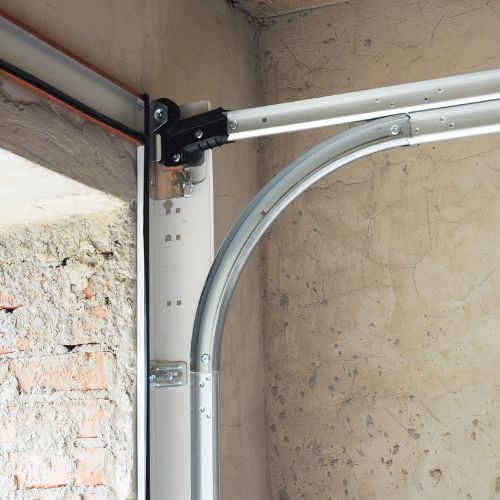
In Gainesville, we see plenty of doors that look fine from the street but hide worn parts behind the scenes. Springs stretched thin, frayed cables, and bent tracks are common on older doors. When you’re buying new, ask:
- What safety features are included with the door and opener?
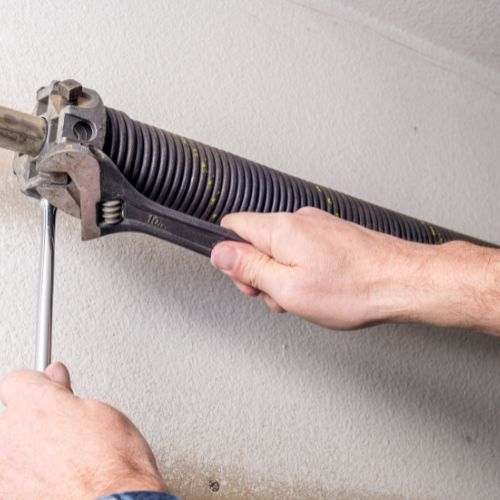
- What is the cycle rating of the springs (how many open/close cycles are they designed for)?
- Are the tracks and hardware sized correctly for the door’s weight and usage?
- What are the recommended maintenance intervals?
“Any new door should come with a clear safety story—how it’s designed to fail safely, and how it should be maintained.” — Local Garage Door Technician
For example, we recently worked with a family off Thompson Bridge Road who wanted to replace an aging two-car door. Their old door had undersized springs and misaligned tracks. We installed a new system with properly balanced springs and upgraded hardware, then scheduled an annual Tune-Up and Inspection plan. The result: the door runs smoother, the opener isn’t straining, and they have a clear roadmap for keeping everything safe.
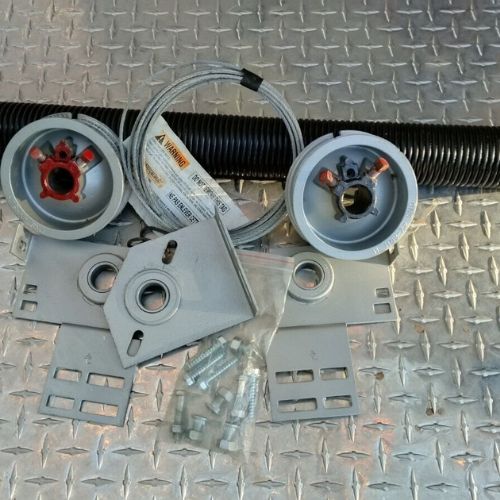
If you’re replacing an older system like a Wayne Dalton Torquemaster, ask specifically about a Wayne Dalton Torsion Conversion. Converting to a standard torsion spring setup often improves reliability, makes future Spring Replacement simpler, and can extend the life of your opener.
CALLOUT: Don’t let price be the only factor. A slightly higher upfront investment in safer, correctly sized components usually saves money—and worry—over the life of the door.
2. What Material, Insulation, and Weather Protection Do I Really Need?
Gainesville’s climate is tough on garage doors. You get humid summers, cold snaps in winter, heavy rains, and plenty of pollen. That combination means you should ask questions about materials, insulation, and weather protection—not just appearance.
Key questions to ask your installer or supplier:
- What door materials are available (steel, wood, composite, aluminum), and how do they perform in our climate?
- What R-value insulation levels are offered, and which is best for my use (workshop, living space above, basic storage)?
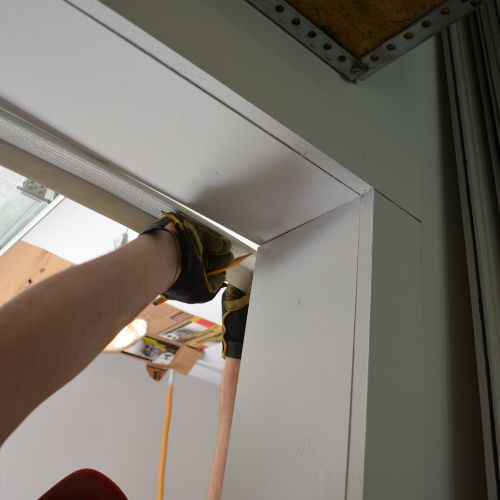
- What kind of weather sealing and Weather Stripping is included?
- Is Insulation built into the door or added afterward?
We helped a homeowner near Lake Lanier who converted their garage into a part-time home gym. Their old, uninsulated metal door made summer workouts miserable. By upgrading to a steel, foam-insulated door with higher R-value and new perimeter seals, plus a Bottom Rubber Replacement, the temperature swings were reduced significantly. Their HVAC system didn’t have to work as hard, and they noticed quieter operation as well.
Here’s a simple comparison to guide your questions:
| Feature | Basic Non-Insulated Door | Insulated Steel Door (Polystyrene) | High-Performance Insulated Door (Polyurethane) |
|---|---|---|---|
| Typical Use in Gainesville | Detached storage | Standard attached garage | Workshop, gym, room above garage |
| Approx. R-Value | 0–1 | 6–9 | 12–18+ |
| Noise Reduction | Low | Medium | High |
| Energy Efficiency Impact | Minimal | Good | Excellent |
| Upfront Cost | Lowest | Moderate | Highest |
| Long-Term Comfort Benefit | Low | Medium | High |
“Insulation isn’t just about winter. In North Georgia, it’s equally about keeping summer heat out and reducing noise from the street.” — Building Performance Specialist
3. What Hardware and Components Are Included—and How Serviceable Are They?
Two doors can look identical from the curb but be completely different under the hood. The hardware—tracks, rollers, hinges, springs, and opener—determines how quietly and reliably your door will run day after day.
When you’re evaluating options, ask:
- What type of rollers are included (plastic, steel, or nylon)?
- Are the hinges and brackets standard or heavy-duty?
- What kind of track system is used, and how easy is Track Repair or replacement?
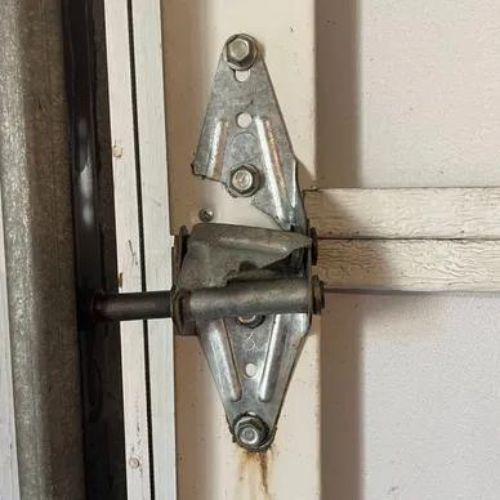
- How easy will it be to service or replace parts like Broken Hinges and Broken Rollers?
We recently visited a small business off Atlanta Highway that had a commercial-style door installed a few years back. It looked robust, but the installer had used low-grade rollers. Within two years, they were noisy and starting to fail. By upgrading to sealed nylon rollers and reinforcing key hinges, we transformed the door’s performance without replacing the entire system.
Consider this comparison when you talk to your installer:
| Component | Economy Option | Upgraded Option | Why It Matters in Gainesville |
|---|---|---|---|
| Rollers | Plastic, open bearings | Nylon, sealed bearings | Quieter, longer life in humid, dusty conditions |
| Hinges | Thin stamped steel | Heavy-gauge, reinforced | Better for larger/heavier doors |
| Tracks | Light-duty, thin gauge | Thicker steel, braced where needed | Less prone to bending from minor impacts |
| Springs | Lower cycle (5,000–10,000 cycles) | Higher cycle (20,000+ cycles) | Fewer replacements over the life of the door |
| Opener Mounting | Basic bracket, minimal bracing | Proper bracing and vibration isolation | Reduces noise and stress on structure |
“Ask what grade of hardware you’re getting. A few small upgrades can dramatically cut noise and maintenance over the years.” — Senior Installer
If you’re replacing an older or damaged system, ask whether you need full Track Replacement or if a targeted Track Repair will do. And if your panels are dented but the rest of the hardware is sound, Panel Replacement might be a more cost-effective route than starting from scratch.
CALLOUT: Don’t be shy about asking your installer to point out and explain each major component on your new door. You’re investing in a system, not just a pretty panel.
4. What Type of Opener and Controls Will Work Best for My Home or Business?
The door itself is only half the story. The opener—its power, drive type, and smart features—has a huge impact on your daily experience. In Gainesville, many homes have bedrooms over or near the garage, so noise and vibration are big concerns.
Here are the questions to ask before you commit:
- Is a chain drive, belt drive, or direct drive best for my situation?
- How powerful should the motor be for the size and weight of my door?
- What safety and security features are included (rolling codes, auto-close, battery backup)?
- What are my options for smart controls (phone app, integration with home security or automation)?
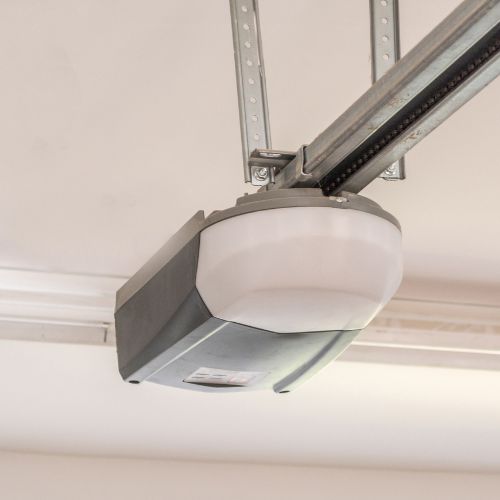
- Who will handle Motor Installation, and what does the warranty cover?
We recently helped a family near Riverside Drive whose teenager’s bedroom was directly above the garage. Their old chain-drive opener rattled the whole room every time someone came home late. By upgrading to a quiet belt-drive system with soft start/stop and proper vibration isolation, we cut the noise dramatically and kept the peace at home.
For local small businesses—auto shops, storage facilities, or warehouses along Browns Bridge Road—reliability and security are often more important than smart features. Ask about commercial-grade openers, duty cycle ratings, and compatibility with safety devices and access systems you already use.
“Match the opener to the door, the usage, and the people living or working around it. Over- or under-sizing the opener is a common—and avoidable—mistake.” — Garage Door Systems Designer
CALLOUT: A professional Motor Installation ensures the opener is aligned, supported, and programmed correctly—critical for safety sensors and long-term performance.
5. What Is the Long-Term Maintenance Plan—and Who Will Support It?
Even the best garage door system needs regular care. Springs lose tension, rollers wear, and seals age. The difference between a door that lasts 10 years and one that lasts 25 often comes down to maintenance.
Before you buy, ask:
- What maintenance does this door require yearly?
- Do you offer a scheduled service plan or annual Tune-Up and Inspection?
- What is the typical lifespan of the springs, rollers, and opener under normal use in Gainesville?
- How easy is it to get replacement parts and service locally?
We worked with a homeowner in the New Holland area who had a mid-range insulated door installed about a decade ago. They never had it serviced until the day a spring snapped and the door was stuck halfway open. After an emergency Spring Replacement, we set them up on an annual maintenance plan. A small yearly visit allows us to catch worn rollers, misaligned tracks, and failing seals before they become breakdowns.
A good maintenance visit typically includes:
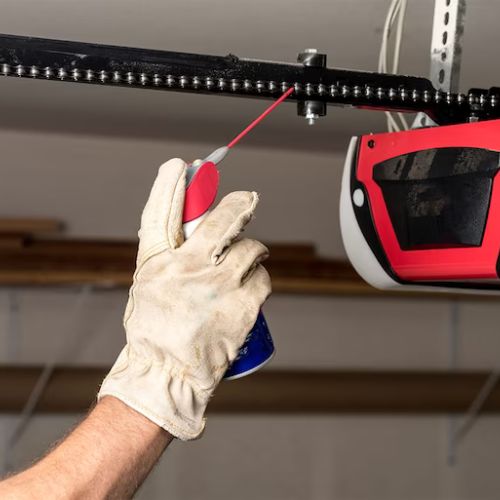
- Inspecting and lubricating springs, rollers, and hinges
- Checking cables and safety features
- Evaluating track alignment and recommending Track Repair if needed
- Testing opener safety reverse and force settings
- Inspecting and replacing worn bottom seals or Bottom Rubber Replacement
“Think of your garage door like your HVAC system or vehicle. A little regular attention saves you from big, stressful breakdowns.” — Home Maintenance Consultant
CALLOUT: Local support matters. Choose a company with a strong Gainesville presence so you’re not waiting days for service when you need it most.
6. How Does This Investment Compare Over Time—Not Just Upfront?
It’s easy to focus on the price tag, especially if you’re replacing a door after storm damage or a sudden failure. But the real cost of a garage door is spread over 10–25 years, including energy use, maintenance, repairs, and even curb appeal.
Ask your installer for help comparing:
- Upfront cost vs. expected lifespan
- Energy savings from better Insulation and Weather Stripping
- Maintenance and repair expectations (springs, rollers, Panel Replacement)
- Impact on home value and resale in the Gainesville market
Here’s a simplified cost comparison over 15 years for a typical Gainesville home with an attached two-car garage:
| Option | Upfront Cost (Est.) | Avg. Annual Energy Impact | Est. Maintenance/Repairs | 15-Year Total Est. Cost | Notes |
|---|---|---|---|---|---|
| Basic Non-Insulated Door + Basic Opener | $1,100–$1,400 | Higher utility costs | More frequent repairs | Higher over time | Lowest upfront, but least efficient and durable |
| Mid-Range Insulated Door + Quiet Opener | $1,600–$2,200 | Moderate savings | Standard maintenance | Balanced | Good mix of comfort, noise control, and value |
| High-Performance Insulated Door + Premium Opener | $2,300–$3,000+ | Greatest savings, comfort | Lower repair frequency | Often lowest overall | Best for long-term homes or living space above |
A client off Enota Drive chose a higher-end insulated door with upgraded hardware and a quiet opener. They planned to stay in their home for at least 15 years and use part of the garage as a workshop. The slightly higher upfront cost was offset by lower energy bills, fewer service calls, and a noticeable boost in curb appeal—important in a competitive local housing market.
“Look at your garage door as a 15- to 20-year asset. Spending a bit more now to reduce headaches and improve comfort is often the smarter financial move.” — Real Estate Advisor
What This Means for Businesses in Gainesville, GA
Whether you’re running a small auto shop, a distribution warehouse, a self-storage facility, or a retail space with a back loading door, the questions you ask before buying a garage door can directly impact your operations and bottom line.
In Gainesville’s busy commercial corridors—from Browns Bridge Road to Queen City Parkway—doors often open and close dozens or even hundreds of times a day. That kind of use demands:
- Higher-cycle springs and durable hardware
- Reliable openers sized correctly for the door’s weight and frequency of use
- Easy-to-service tracks and rollers for quick Track Repair or Broken Rollers replacement
- Effective Weather Stripping and Bottom Rubber Replacement to protect inventory from dust, pests, and moisture
For a local manufacturer we worked with near the industrial park, a single failing door meant delayed shipments and overtime pay while they waited for emergency repairs. After assessing their needs, we upgraded their springs to higher-cycle models, reinforced their tracks, and set up a scheduled Tune-Up and Inspection program. The result: fewer surprises, more predictable maintenance, and less downtime.
Businesses should also ask:
- What is the expected duty cycle of this opener and hardware under my usage?
- How quickly can you respond to service calls in Gainesville?
- Are parts for this system readily available?
- Can you provide documentation for insurance or safety audits?
In a competitive local market, reliability and safety aren’t luxuries—they’re necessities. A stuck door on a busy Monday morning can ripple through your entire operation. Asking the right questions before you buy helps make sure your doors support your business instead of holding it back.
Frequently Asked Questions
Q: How do I know if I need a full door replacement or just repairs to parts like panels or tracks?
A: A professional inspection is the best starting point. If the door is structurally sound, the opener is in good shape, and issues are limited to cosmetic damage or a few bent components, targeted services like Panel Replacement or Track Repair can be cost-effective. In Gainesville, we often see doors with minor storm or vehicle damage that don’t require full replacement. However, if the door is badly rusted, warped, or repeatedly coming off track, or if multiple components (springs, rollers, panels, opener) are near the end of their life, a full replacement may be safer and more economical in the long run.
Q: What insulation level makes sense for my Gainesville home’s garage door?
A: It depends on how you use your garage and how it connects to your home. For attached garages with bedrooms above or adjacent living space, an insulated door with a moderate to high R-value, paired with quality Weather Stripping and proper Insulation, usually provides noticeable comfort and energy benefits. If your garage is detached and used mainly for storage, a basic insulated or even non-insulated door might be enough. In Gainesville’s climate—hot, humid summers and cool winters—many homeowners appreciate the temperature stability, reduced street noise, and improved appearance of an insulated, steel sandwich-style door.
Q: How often should I schedule maintenance for my garage door system?
A: For most homes in Gainesville, an annual Tune-Up and Inspection is a good baseline. This allows a technician to lubricate moving parts, adjust spring tension, check safety sensors, and spot wear on rollers, hinges, and cables before they fail. If your door gets heavy daily use—large families, home businesses, or multi-tenant properties—twice-yearly checks may be wise. Commercial and industrial doors with high cycle counts often require more frequent service. Regular maintenance can extend the life of your springs, reduce noise, and prevent sudden breakdowns that leave your vehicle or inventory stuck.
Q: What should I know about springs before buying a new garage door?
A: Springs do the heavy lifting, and they’re a critical safety component. Ask about the type (torsion vs. extension), the cycle rating (how many open/close cycles they’re designed for), and what’s involved in future Spring Replacement. In Gainesville, where many families use the garage as their main entry, choosing higher-cycle springs can significantly reduce how often you’ll need replacements. If you have an older Wayne Dalton Torquemaster system, consider a Wayne Dalton Torsion Conversion during your upgrade. Torsion systems are generally more durable, easier to service, and often safer when properly installed.
Q: How do weather seals and bottom rubber affect my garage door’s performance?
A: Seals and bottom rubbers are small components with big impact. Quality Weather Stripping and a good bottom seal help keep out rain, dust, pollen, and pests—especially important in Gainesville’s humid climate and during heavy storms. They also support your home’s energy efficiency by reducing drafts. Over time, rubber dries out, cracks, or compresses, creating gaps. A simple Bottom Rubber Replacement and fresh perimeter seals can noticeably improve comfort, protect items stored in the garage, and support the performance of your insulated door.
Q: My door works, but it’s loud and jerky. Do I need a new door or just hardware upgrades?
A: Not every noisy door needs to be replaced. Often, the culprits are worn rollers, loose or weak hinges, and misaligned tracks. In many Gainesville homes, upgrading to high-quality nylon rollers, replacing Broken Hinges or brackets, and performing a thorough Track Repair and adjustment can transform how the door operates. Pair that with proper lubrication and opener adjustments, and you can dramatically reduce noise and vibration. However, if the door itself is badly damaged, rusted, or structurally compromised, replacement may be the safer and more cost-effective option.
Q: What should I ask about the opener before deciding on a new system?
A: Focus on three things: power, noise, and features. Ask whether the opener is appropriately sized for your door’s weight, what drive type it uses (chain, belt, or direct), and how noisy it will be—especially important if bedrooms are near the garage. In Gainesville, where storms can knock out power, ask about battery backup and safety features like auto-reverse and motion-detecting lights. Also ask who will handle the Motor Installation, how the warranty works, and whether smart features (phone control, alerts, integration with security systems) are included or optional.
Ready to Get Started?
If you’re thinking about a new garage door for your Gainesville home or business, now is the right time to start asking these questions. Seasonal temperature swings, summer storms, and daily wear all take a toll. Planning your upgrade before something fails unexpectedly gives you time to compare options, schedule professional measurements, and choose a system that fits your budget and long-term needs.
Acting now also means you can address related issues—like worn Weather Stripping, tired springs, or noisy rollers—while everything is being installed, saving you from piecemeal repairs later. Whether you need a full replacement, targeted Panel Replacement, or a fresh opener and Motor Installation, having a trusted local partner makes all the difference.
The next step is simple: schedule a visit, walk through your goals and concerns, and get clear, straightforward recommendations. With the right questions in hand, you’ll end up with a door that’s safe, quiet, efficient, and built to handle life in Gainesville.
About Always Open Garage Door Services
Always Open Garage Door Services is a locally focused garage door company proudly serving Gainesville, GA, and the surrounding communities. Our team brings years of hands-on experience with residential and commercial doors, from new installations to complex repairs and system upgrades. We follow industry best practices for safety, reliability, and energy efficiency, and we stand behind our work with honest advice and responsive local support. Learn more about our services and story at https://aogds.com/.