What to Expect During Garage Door Installation
If your business in Gainesville depends on reliable access—whether that’s a small warehouse off Queen City Parkway or a busy service shop near downtown—your garage door is part of your daily workflow. Yet for many owners and managers, a new garage door installation still feels like a mystery: How long will it take? Will operations need to shut down? What if something goes wrong with the tracks, springs, or motor?
Across the U.S., commercial and light-industrial properties cycle through garage doors every 15–30 years, depending on use and maintenance. In a fast-growing area like Gainesville, with more small businesses opening and expanding each year, understanding what actually happens during installation can help you budget smarter, schedule better, and avoid downtime.
This guide walks you step-by-step through a professional garage door installation—from the first visit to the final safety test—so you know exactly what to expect, what questions to ask, and how to get the most out of your investment.
Key Insight: A smooth, safe garage door installation isn’t just about the new door—it’s about the tracks, springs, motor, weather protection, and long-term maintenance that keep your business running day after day.
From First Call to Final Quote: The Pre‑Installation Process
Before anyone shows up with ladders and hardware, a good installer will walk you through a thorough pre‑installation process. This is where expectations are set, surprises are minimized, and the right door is matched to your space and usage.
For a Gainesville business, that typically starts with a site visit. A technician will:
- Measure the opening width and height
- Check the headroom and side room for tracks and springs
- Inspect existing framing and support structure
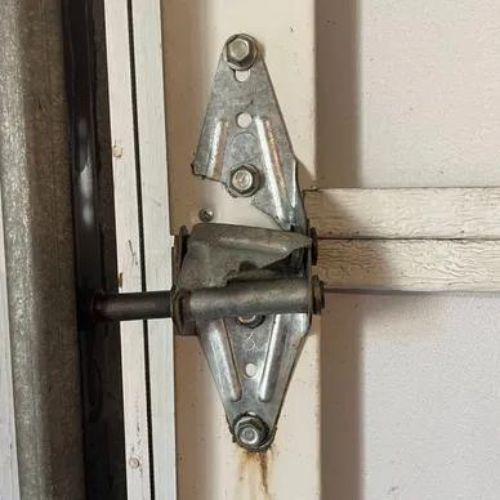
- Evaluate current tracks, hinges, and rollers
- Ask how often the door cycles each day
If your current system has visible issues—like bent tracks, noisy rollers, or a door that doesn’t sit level—the tech may recommend addressing those during the installation. Sometimes that means a full Track Repair or Track Replacement so your new door operates safely and smoothly.
“The best installation starts with an honest look at what’s already there.”
A recent example: a small auto shop off Browns Bridge Road called about a “simple” door replacement. During the site visit, the technician found a twisted track and cracked hinges from years of heavy use. By planning for new tracks, hinges, and upgraded rollers in the quote, the shop avoided an unexpected shutdown a few months later.
CALLOUT: Use the pre‑installation visit to ask about door insulation levels, wind ratings, and hardware life expectancy. These choices directly affect long-term costs and energy bills.
Once measurements and conditions are documented, you’ll receive a detailed quote. A professional quote should clearly outline:
- Door model, color, and insulation level
- Hardware type (springs, tracks, rollers)
- Opener or Motor Installation details
- Any recommended repairs or upgrades
- Estimated installation time and required downtime
This is the best time to adjust options to fit your budget and your operational needs.
Removal Day: Safely Taking Down the Old Door and Hardware
On installation day, the first major step is removing your existing door. Done correctly, this is a controlled, methodical process; done poorly, it can be dangerous. Garage doors are heavy, and the springs are under high tension.
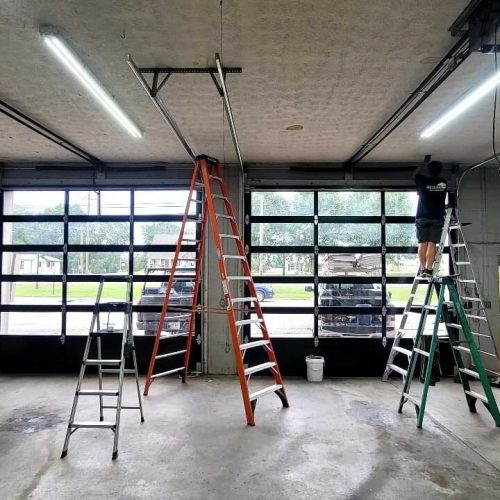
A trained crew will:
- Disconnect the opener and power
- Secure the door in the open or closed position as needed
- Safely unwind and remove the springs
- Take down sections one at a time
- Remove old tracks, hinges, and rollers
If your current system has broken hinges or broken rollers, they’ll be addressed now. Many Gainesville businesses, especially older buildings near the industrial corridor, still operate doors installed 20+ years ago. Those systems often use hardware that’s no longer ideal for today’s usage demands.
In some cases, the crew will discover hidden damage once the old door is off:
- Split or rotted wood framing
- Bent track brackets
- Cracked or rusted angle supports
Instead of reusing compromised parts, a reputable company will recommend replacing them on the spot. This might include upgraded tracks, new fasteners, or reinforcing brackets. Addressing these issues during installation reduces the risk of future emergency calls.
“Safety starts with what you remove, not just what you install.” — Field Technician, 15+ years in commercial doors
For a Gainesville distribution business we worked with near New Holland, removal revealed that the original track was mounted with undersized hardware directly into drywall and thin metal studs. The crew rebuilt the mounting surface and installed new, properly supported tracks, dramatically improving door stability and safety.
Installing the New Door: Tracks, Panels, Springs, and Balance
Once the opening is prepped, it’s time to build your new door system. This is where a lot of the precision work happens—proper alignment and balance are what separate a quiet, reliable door from one that constantly binds or wears out parts.
Tracks and Hardware
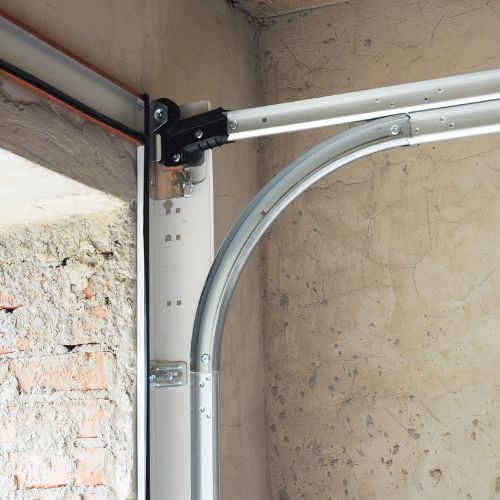
The crew will start with the vertical and horizontal tracks, ensuring they are:
- Plumb (perfectly vertical) and level
- Properly spaced to match the door thickness
- Firmly anchored into solid structure
If you’ve ever had a door that rubbed or stuck halfway, there’s a good chance the tracks were out of alignment. New, correctly installed tracks paired with smooth rollers make a huge difference in daily operation.
Panels and Sections
Next, the door sections are set in place, starting from the bottom. This is also where Panel Replacement knowledge pays off—installers understand how sections interact and support each other.
They will:
- Install the bottom section, ensuring it’s perfectly level
- Stack and secure each additional section
- Attach hinges and rollers as they go
- Check for consistent gaps and proper fit
Even small misalignments can cause premature wear on hinges and rollers. Gainesville businesses that operate doors dozens of times per day see the impact of poor installation much faster.
Springs and Balance
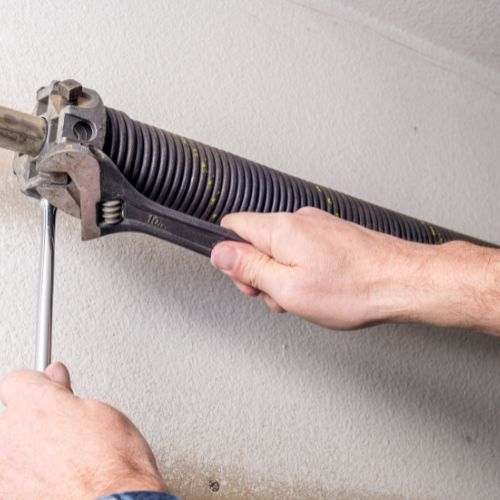
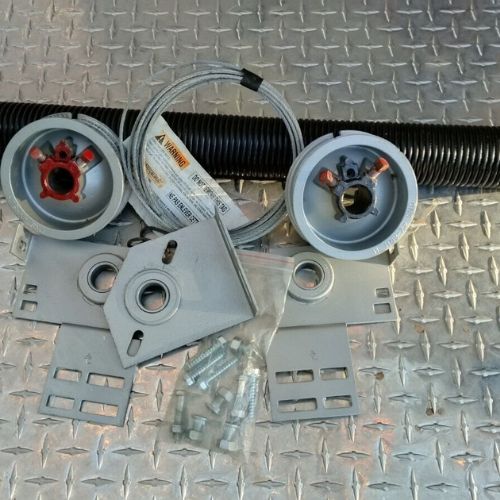
The springs are the heart of the system. They bear the weight of the door, making it possible for the motor—or a person—to lift it smoothly. During installation, the technician will:
- Select the correct spring size for your door’s weight and height
- Install torsion or extension springs per manufacturer specs
- Set and test the spring tension
- Fine-tune balance so the door stays in place when partially open
If you’re upgrading from an older Wayne Dalton system, you might be offered a Wayne Dalton Torsion Conversion. This upgrade replaces older spring systems with a more modern, serviceable torsion setup that typically offers better longevity and easier maintenance.
“A well-balanced door feels almost weightless. That balance protects your motor, tracks, and hardware over time.”
For a logistics company near Gainesville’s industrial park, converting to a modern torsion system extended spring life and reduced mid-season breakdowns—critical during their peak shipping months.
CALLOUT: Ask your installer to show you how they test door balance. It’s one of the simplest indicators of a quality installation.
Weather Protection, Insulation, and Energy Efficiency
Once the door is physically in place, attention shifts to performance and protection—especially important in Gainesville’s hot, humid summers and cool, damp winters. This is where weather sealing and insulation choices really show their value.
Weather Stripping and Bottom Seal
Gaps around your door let in more than just drafts. They invite dust, insects, moisture, and even rodents. A professional installer will add or replace:
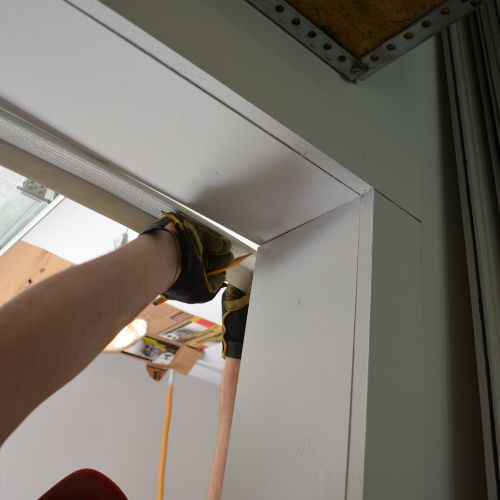
- Perimeter Weather Stripping around the sides and top
- A flexible bottom seal to close the gap at the floor
- Thresholds or additional sealing if your concrete is uneven
If your existing bottom seal is cracked or missing, a Bottom Rubber Replacement can dramatically improve comfort and cleanliness inside your space.
For a small manufacturing shop near Lake Lanier, upgrading weather seals during installation cut down on dust infiltration in their production area and reduced complaints about cold drafts in winter.
Insulation and Temperature Control
Insulated doors are especially valuable for Gainesville businesses that:
- Condition air (heating or cooling) in their shop or warehouse
- Store temperature-sensitive products or equipment
- Have attached office space near the door
During installation, you can choose doors with different insulation values, or add extra Insulation solutions depending on your needs.
Here’s a simple comparison:
| Feature | Non-Insulated Door | Insulated Door (Typical) |
|---|---|---|
| Upfront Cost (Gainesville avg.) | Low | Moderate |
| Energy Efficiency | Poor | Good to Excellent |
| Noise Reduction | Minimal | Significant |
| Durability of Panels | Standard | Often Higher |
| Best For | Unconditioned sheds | Shops, warehouses, offices |
One Gainesville retailer with a stockroom door facing the loading dock saw noticeable improvements in employee comfort and lower HVAC run times after upgrading to an insulated door with quality seals.
CALLOUT: In many cases, the added cost of insulation pays for itself in reduced energy bills and improved comfort, especially if your door opens and closes frequently throughout the day.
Motors, Controls, and Smart Features: Getting the Operation Right
A new door is only as good as the system that opens and closes it. For most commercial and light-industrial properties in Gainesville, that means a reliable opener and properly configured controls.
Motor Installation and Setup
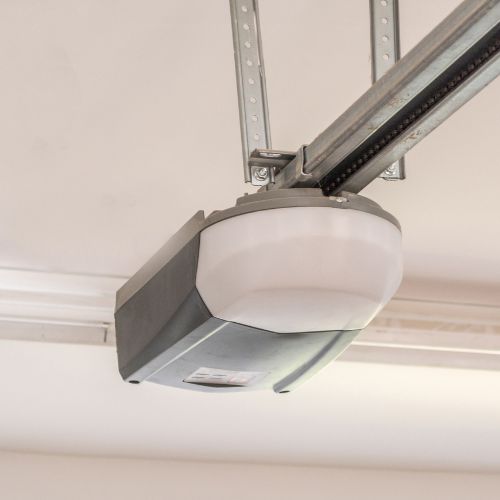
During Motor Installation, technicians will:
- Mount the opener to the ceiling or wall, anchored securely
- Connect it to the door with the appropriate drive (chain, belt, jackshaft)
- Set travel limits so the door opens and closes fully without stressing hardware
- Adjust force settings for safe operation
This step is crucial for long-term reliability. If a motor is working too hard because the door is unbalanced or the limits are off, you’ll see premature wear and potential breakdowns—usually at the worst possible time.
For a local HVAC company with multiple fleet vehicles, a properly sized and configured opener on their main bay door meant fewer delays getting trucks out in the morning and less noise for nearby offices.
Safety and Access Controls
Modern operators include safety and access features that protect people and property:
- Photo-eye sensors to prevent the door from closing on objects or people
- Wall controls and emergency stop functions
- Keypads, remotes, or card readers for controlled access
- Optional smartphone or network connectivity
“Safety devices aren’t just code requirements—they’re your last line of defense against costly accidents.”
In Gainesville, where many businesses share parking lots or loading areas, controlled access can also improve security. Being able to track and manage who opens which doors and when adds a layer of accountability.
Final Testing, Tune-Up, and Long-Term Maintenance
The last phase of a quality installation is thorough testing and fine-tuning. This is where the installer makes sure every component—from springs to safety sensors—is working correctly and efficiently.
Comprehensive Testing
Before the crew leaves, they should:
- Open and close the door multiple times
- Listen for unusual noises or binding
- Verify smooth travel along the tracks
- Test photo-eyes and safety reversal
- Confirm the door seals properly against the floor and jambs
Any squeaks, jerks, or misalignments at this stage are corrected immediately. This is also when minor adjustments to spring tension and opener settings are made.
Tune-Up and Inspection Recommendations
Many Gainesville businesses choose to schedule a regular Tune-Up and Inspection after installation—often annually or semi-annually, depending on usage. During these visits, technicians will:
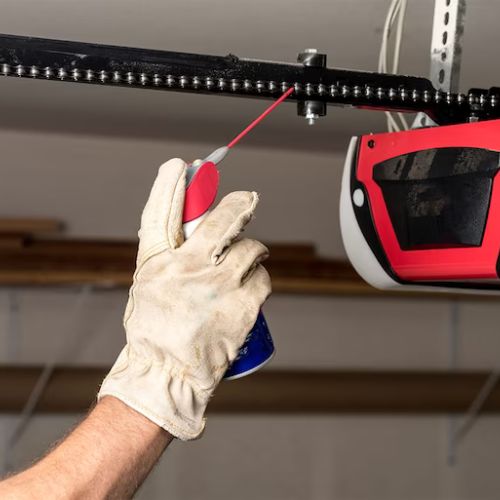
- Lubricate hinges, rollers, and springs
- Inspect cables, brackets, and mounting hardware
- Check for wear on rollers and hinges
- Test balance and opener performance
This kind of proactive maintenance can dramatically extend the life of your system and reduce the risk of mid-season failures. For busy auto shops or small warehouses along Atlanta Highway, avoiding a surprise breakdown on a Monday morning is worth far more than the cost of preventive service.
If a spring does eventually fail—normal for high-cycle doors over time—a planned Spring Replacement is far safer and less disruptive than an emergency call.
CALLOUT: Treat your garage door like any other critical piece of equipment. A small investment in routine inspections protects a much larger investment in doors, hardware, and motors.
What This Means for Businesses in Gainesville, GA
Gainesville’s business community is diverse: distribution centers near the industrial corridor, small manufacturers off I-985, auto shops, contractors, and retail operations spread across the city. What they all share is a need for reliable, secure access to their space.
Understanding what to expect during garage door installation helps you:
- Schedule work during slower times to avoid lost productivity
- Budget accurately for the full system—door, hardware, opener, and weather protection
- Ask informed questions about safety, durability, and energy efficiency
- Plan for long-term maintenance, not just the install day
Local climate matters too. Gainesville’s humidity, temperature swings, and occasional severe weather mean your door system needs proper sealing, durable hardware, and a well-tuned motor to perform consistently. Skimping on weather stripping, insulation, or proper track alignment might not show up immediately—but you’ll feel it in energy bills, comfort complaints, and premature repairs.
By working with a local team that understands Gainesville’s building styles, traffic patterns, and business rhythms, you get more than a new door. You get a system tailored to how you actually use your space, installed with an eye toward safety, reliability, and long-term value.
Frequently Asked Questions
Q: How long does a typical garage door installation take for a Gainesville business?
A: Most standard commercial or light-industrial installations can be completed in a single day, often in 4–8 hours depending on the door size, site conditions, and whether extra work—like Track Repair or hardware upgrades—is needed. If you’re also adding a new opener or scheduling Motor Installation, that can extend the timeline slightly, but still usually fits into one workday. Your installer should provide a clear time estimate during the quote process and help you plan around your busiest hours so you can keep operations running with minimal disruption.
Q: Will I need to shut down my operations during installation?
A: Not always. Many Gainesville businesses can stay partially operational during installation by planning ahead. If you have multiple bays, work can be staged one door at a time. For single-door facilities, you might schedule installation during slower periods or after hours. Certain phases—like door removal and spring work—require the opening to be clear for safety, but crews can often coordinate with your team to move vehicles or equipment as needed. Communicate your daily workflow during the pre‑installation visit so the crew can minimize downtime.
Q: How do I know if I need new tracks or just a new door?
A: In some cases, existing tracks can be reused, but only if they are the correct type for the new door and in good condition. Bent, rusted, or misaligned tracks are a safety concern and should be addressed with proper Track Replacement or repair. During the site visit, a technician will inspect your current tracks, check alignment, and look for wear at mounting points. Many Gainesville buildings have older track systems not designed for today’s heavier, insulated doors, so upgrading tracks often improves performance and extends hardware life.
Q: Are insulated doors really worth it in our Gainesville climate?
A: For many local businesses, yes. If your workspace is heated or cooled, an insulated door combined with good Weather Stripping can significantly reduce energy loss, especially if the door opens frequently. Insulated doors also provide better noise control—a plus if your building is near busy routes like Jesse Jewell Parkway. Pairing an insulated door with proper Insulation strategies in adjacent walls and ceilings can create a more comfortable environment for employees and protect temperature-sensitive products or equipment.
Q: What if my old panels are damaged—can I replace just those instead of the whole door?
A: Sometimes. If the damage is limited and the rest of the system is in good shape, targeted Panel Replacement can be a cost-effective solution. However, if your door is older, mismatched panels may not align or seal properly, and discontinued models can be hard to source. For Gainesville businesses with frequent use, upgrading to a new, matched door and hardware often makes more long-term sense, especially if you’re also addressing worn springs, tracks, or a failing opener during the same visit.
Q: How often should I schedule a tune-up or inspection after installation?
A: For most commercial and light-industrial doors in Gainesville, an annual Tune-Up and Inspection is a good baseline. High-cycle doors—such as those in busy auto shops or warehouses—may benefit from semi-annual service. Regular inspections catch early signs of wear on hinges, rollers, cables, and springs, allowing for planned maintenance instead of emergency repairs. Technicians can also verify balance, adjust opener settings, and recommend timely Spring Replacement when needed, extending the life of your entire system.
Q: I’ve heard about Wayne Dalton torsion conversions. Do I need one?
A: If your existing door uses an older Wayne Dalton spring system, a Wayne Dalton Torsion Conversion can be a smart upgrade. These conversions replace the original springs with a more common torsion setup that’s easier to service and often more durable. For Gainesville businesses that rely on frequent door cycles—like delivery hubs or service fleets—this can mean fewer breakdowns and easier access to replacement parts. Your installer can tell you if your current system is a candidate and whether it makes sense to convert during your new door installation.
Ready to Get Started?
If your current garage door is noisy, unreliable, or simply not keeping up with your business in Gainesville, now is the ideal time to plan a professional installation. Waiting until a spring snaps or a track bends can leave your vehicles trapped, shipments delayed, or your building unsecured—problems that cost far more than a planned upgrade.
By scheduling your installation ahead of peak seasons or busy periods, you can control downtime, choose the right options for insulation and weather sealing, and coordinate any needed hardware work—from Broken Hinges and Broken Rollers to opener upgrades—on your terms. A local, experienced team that understands Gainesville’s buildings and business patterns can guide you through each step, from the first measurement to the final safety test.
Take a few minutes to walk your current door, note any issues, and think about how your operations might change in the next few years. Then reach out for a consultation and clear, detailed quote. A well-planned installation today can deliver smoother operations, lower maintenance headaches, and better security for years to come.
About Always Open Garage Door Services
Always Open Garage Door Services provides professional garage door installation, repair, and maintenance for businesses and homeowners throughout Gainesville, GA and the surrounding area. With years of hands-on experience, industry-certified technicians, and a focus on safety and reliability, the team is dedicated to helping local properties operate smoothly and securely. From new doors and openers to track, spring, and panel work, Always Open Garage Door Services delivers honest recommendations and quality workmanship backed by a strong local reputation. Learn more at https://aogds.com/.