Garage Door Spring Replacement: What to Know

Garage Door Spring Replacement: What to Know

On a busy weekday morning in Gainesville, you hit the garage door button, hear a loud bang, and suddenly the door won’t move more than a few inches. That sharp crack you heard? In many cases, that’s a broken garage door spring. It’s one of the most common reasons homeowners and small businesses in Hall County call for emergency service—and one of the most misunderstood.

Industry data shows that garage doors cycle an average of 3–5 times per day, which adds up to more than 1,000 cycles per year. Most standard springs are rated for about 10,000 cycles. That means many doors in established Gainesville neighborhoods like Riverside Drive, New Holland, and around Lake Lanier are already past their original spring’s expected lifespan.

This guide walks you through what you need to know about garage door spring replacement—how springs work, warning signs, safety risks, repair options, and how spring replacement connects to other critical components like Track Replacement, Panel Replacement, and opener Motor Installation. By the end, you’ll be able to make confident, safe decisions about your door.

Key Insight: A failing or broken spring isn’t just an inconvenience—it’s a serious safety and property risk. Replacing springs correctly, and in context with the rest of your system, can add years of reliable, smooth operation to your garage door.


How Garage Door Springs Actually Work (and Why They Matter)

Your garage door may look heavy—and it is—but it doesn’t feel that way when it’s working properly. That’s because the springs do the heavy lifting. They counterbalance the door’s weight so your opener (or your arm) only has to move a fraction of that load.

Most homes and small businesses in Gainesville use one of two spring systems:

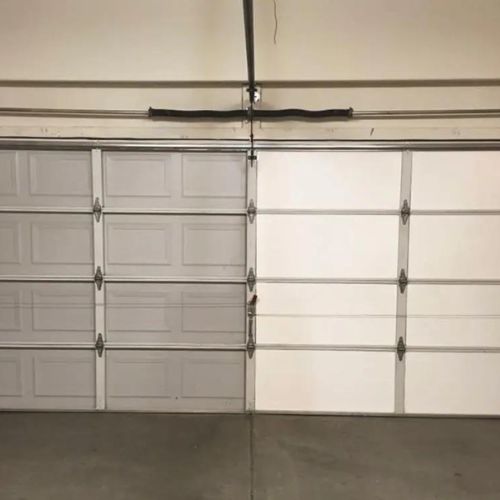
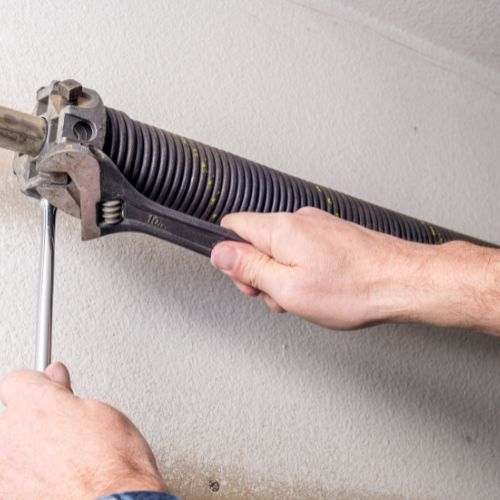
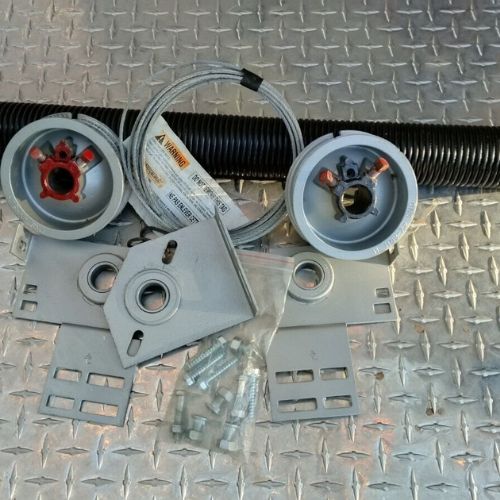
  • Torsion springs mounted on a bar above the door
  • Extension springs running along the horizontal tracks

Torsion springs are now considered the industry standard because they distribute weight more evenly, reduce stress on the door and opener, and offer better safety options when properly installed.

“Springs are the backbone of the entire garage door system. If they’re wrong, everything else works harder and wears out faster.” — Senior Technician, Always Open Garage Door Services

Local example: Riverside Drive home

A homeowner off Riverside Drive called because their opener was “struggling” and the door shook badly on the way up. The springs were still technically intact, but severely fatigued—they’d lost much of their tension. As a result:

  • The opener was pulling nearly the full door weight
  • The rollers were grinding in the tracks
  • The panels were flexing and starting to crack

We replaced the tired springs with properly sized torsion springs, adjusted the system, and performed a full Tune-Up and Inspection. The opener suddenly sounded “like new,” and we prevented what would likely have become a costly Panel Replacement down the road.

CALLOUT: If your opener sounds louder than it used to, or the door feels heavier to lift manually, your springs may be near the end of their life—even if they haven’t snapped yet.

Springs don’t fail in isolation—they affect tracks, rollers, hinges, and the opener. That’s why a thoughtful approach to spring replacement looks at the whole system, not just the broken part.


Warning Signs Your Garage Door Springs Are Near Failure

Springs rarely go from “perfect” to “broken” without warning. They usually give you subtle clues first. Catching these early can help you avoid being stuck in your driveway when you’re already late for work on Thompson Bridge Road or school drop-off.

Common warning signs

  • The door feels unusually heavy when you lift it manually
  • The opener struggles, stalls, or reverses for no apparent reason
  • The door slams shut faster than normal
  • The door won’t stay halfway open—it either falls or rises
  • Visible gaps or stretching in the spring coils
  • Creaking, popping, or grinding noises during operation
Tip: Test the “balance” of your door once or twice a year. With the opener disconnected, lift the door halfway and let go. A well-balanced door should stay in place or move only slightly. If it drops or shoots up, your springs need attention.

Real-world case: Small business off Browns Bridge Road

A small auto shop in Gainesville noticed their bay door seemed to “jump” on the way down and sometimes wouldn’t close all the way. They assumed it was a sensor or opener problem. During our inspection, we found:

  • One torsion spring had lost significant tension
  • The other spring was carrying most of the load
  • The tracks were slightly misaligned from the extra strain

We completed a precise spring replacement and minor Track Repair. The door now closes smoothly, and the opener no longer strains.

“The longer you wait with a weak spring, the more stress you put on everything else—opener, cables, tracks, and even the door itself.” — Service Manager, Always Open Garage Door Services

CALLOUT: If your opener is “protecting” itself by reversing or stopping mid-cycle, it might be reacting to extra force caused by weak or failing springs—not just a sensor alignment issue.

Recognizing symptoms early allows you to schedule service on your terms, instead of dealing with a sudden failure in the middle of a stormy Gainesville evening.


Why DIY Spring Replacement Is So Dangerous

You can find plenty of videos online claiming spring replacement is a “simple DIY project.” For trained technicians with the right tools and experience, it’s routine work. For untrained homeowners, it can be extremely dangerous.

Garage door springs are under tremendous tension. That stored energy is what lifts a 150–300+ pound door. Mishandling that tension can lead to severe injuries or major property damage.

Safety risks you don’t see on video

  • Tools slipping off winding bars
  • Springs snapping under tension
  • Cables whipping as they release energy
  • Doors crashing down when tension is released incorrectly

The U.S. Consumer Product Safety Commission has documented thousands of garage door–related injuries each year, many involving DIY attempts on springs and cables.

Gainesville homeowner example: Attempted DIY

A homeowner near the University of North Georgia Gainesville campus tried to replace their own torsion spring after watching a video. They used improvised tools instead of hardened winding bars. One bar slipped, causing:

  • A deep hand laceration
  • Damage to the torsion tube
  • A twisted top panel from sudden uncontrolled movement

They ended up needing not only professional spring replacement but also a partial Panel Replacement and new hardware. The total cost was significantly higher than a standard spring job would have been.

CALLOUT: If you see a visible gap in your torsion spring or a dangling extension spring, stop using the door immediately and avoid trying to move it by hand unless absolutely necessary for safety.

Tip: Never loosen set screws, remove cables, or attempt to “add tension” to a spring yourself. Even minor adjustments can go wrong quickly without proper training.

Professional technicians in Gainesville handle spring work daily, using calibrated tools and safety protocols that most homeowners simply don’t have. It’s one of those projects where hiring a pro isn’t a luxury—it’s a safety requirement.


Choosing the Right Type of Spring and System for Your Door

Not all springs are created equal. The right choice depends on your door size, weight, construction, and how often you use it. In busy households or light commercial settings, investing in higher-cycle springs can make a big difference over time.

Key considerations for spring selection

  • Door weight and height (steel vs. wood, insulated vs. non-insulated)
  • Usage level (family of five vs. single-car household, home vs. small business)
  • Existing system (torsion vs. extension, or specialty systems)
  • Future upgrades (planned Insulation or heavier doors)

Some Gainesville homes, especially older ones or those built with specific brands, still use proprietary systems like Wayne Dalton TorqueMaster. Many homeowners are now converting these to standard torsion systems.

Wayne Dalton Torsion Conversion is often recommended when:

  • Replacement proprietary parts are costly or hard to find
  • You want easier, more affordable service in the future
  • You’re upgrading to a heavier or insulated door

Comparison: Standard vs. Upgraded Spring Options in Gainesville

Feature Standard Torsion Springs High-Cycle / Upgraded Springs
Typical Cycle Rating ~10,000 cycles 20,000–30,000+ cycles
Suitable For Average residential use Large families, rental properties, light commercial
Upfront Cost in Gainesville Lower Moderate increase
Long-Term Maintenance More frequent replacements Fewer replacements over the years
Best Use Case Single or two-car household Busy households, small shops, long-term homes

Real example: High-cycle upgrade in Flowery Branch

A family commuting daily from the Flowery Branch / Gainesville area used their garage door 8–10 times a day. Their standard springs were wearing out every 4–5 years. We upgraded them to high-cycle torsion springs rated for significantly more cycles. The cost difference was modest, but their expected spring lifespan nearly doubled.

CALLOUT: If you plan to stay in your Gainesville home for 10+ years, asking about high-cycle springs during replacement can save you money and hassle over time.

Properly sizing and selecting springs isn’t guesswork. It involves weighing the door and calculating spring torque to match. That’s why a thorough on-site evaluation is so important.


How Springs Interact With Tracks, Rollers, Hinges, and Weather Protection

Springs don’t operate in a vacuum. When they’re worn, broken, or incorrectly sized, the rest of your garage door system is forced to compensate—and that’s where secondary damage shows up.

Connected components to consider

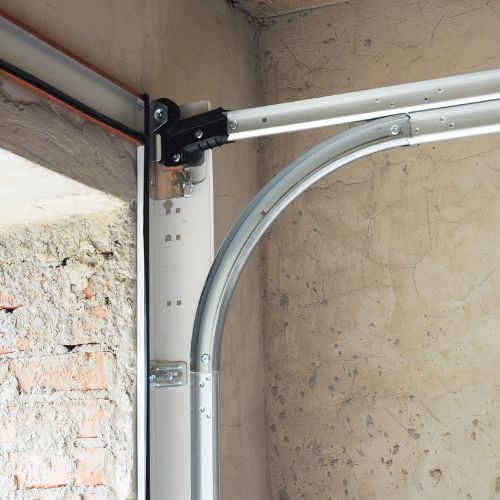
  • Tracks: Misaligned or bent tracks can cause binding, noise, and uneven wear. A spring that’s too strong or too weak will stress the tracks. Timely Track Replacement or repair can prevent recurring issues.
  • Hinges and rollers: Weak springs can cause doors to jerk or sag, which accelerates wear on Broken Hinges and Broken Rollers.
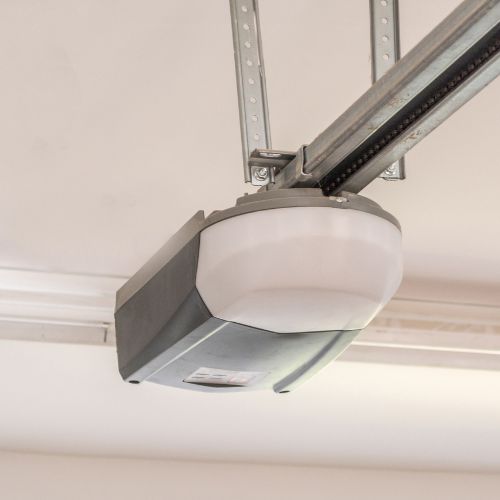
  • Opener motor: An overworked opener trying to lift a heavy, unbalanced door may eventually need early Motor Installation.
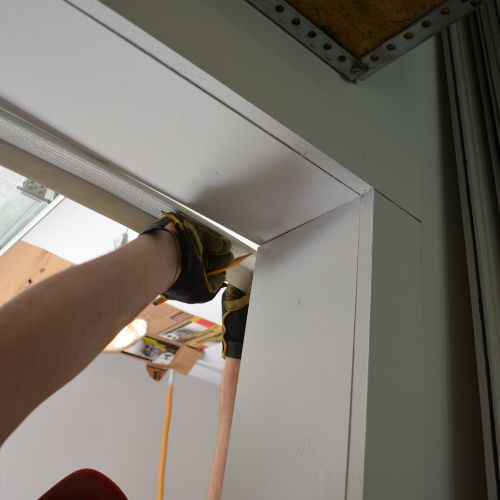
  • Seals and insulation: When a door is out of balance, gaps often appear at the bottom and sides, reducing the effectiveness of Weather Stripping, Insulation, and Bottom Rubber Replacement.
Tip: Every spring replacement visit is an ideal time to ask for a quick check of rollers, hinges, and seals. Bundling minor fixes with spring work is often more cost-effective than separate calls later.

Local example: Lake Lanier home with energy concerns

A Lake Lanier homeowner noticed their bonus room over the garage was always hot in summer and cold in winter. During a spring replacement visit, we found:

  • Worn springs causing the door to sit unevenly
  • Gaps along the bottom seal from poor alignment
  • Cracked Weather Stripping and missing Bottom Rubber Replacement
  • An older, uninsulated door

We replaced the springs, installed new seals and weatherstripping, and recommended upgrading Insulation. The homeowner reported a noticeable comfort improvement and reduced HVAC strain.

“A balanced, well-sealed door doesn’t just move better—it protects your home from Gainesville’s humidity, pollen, and temperature swings.” — Lead Installer, Always Open Garage Door Services

CALLOUT: If you’re already investing in spring replacement, it’s smart to look at the whole system. A small additional investment in hardware or sealing can significantly improve performance and longevity.


What to Expect During Professional Spring Replacement in Gainesville

Understanding the process can reduce anxiety and help you spot quality workmanship. A professional spring replacement is more than just swapping out metal coils—it’s a full safety and performance reset for your door.

Typical visit steps

1. Safety check and diagnosis
The technician confirms the spring issue, checks cables, drums, Broken Hinges, Broken Rollers, tracks, and opener for related damage.

2. Door weighing and spring selection
For accurate sizing, the door may be weighed. The right spring or springs are chosen based on weight, height, and usage.

3. Controlled removal of old springs
Tension is carefully released using specialized tools. Cables and hardware are inspected and replaced if necessary.

4. Installation of new springs
New torsion or extension springs are installed, tensioned, and balanced according to manufacturer and industry standards.

5. System balancing and testing
The door is tested manually and with the opener, adjusting force and travel settings as needed.

6. Recommended Tune-Up and Inspection
Many reputable companies include a broader tune-up—lubricating moving parts, tightening hardware, and checking safety features.

Typical Gainesville timeline and cost considerations

Most residential spring replacements in Gainesville can be completed in 60–90 minutes, assuming no major additional damage. Costs vary depending on:

  • Number and type of springs
  • Door size and weight
  • Need for additional parts (cables, brackets, bearings)
  • Optional upgrades (high-cycle springs, hardware upgrades)

CALLOUT: Ask for a clear, written estimate before work begins, including parts, labor, and any recommended upgrades. A reputable company will explain each line item in plain language.

Tip: Keep your invoice and spring details. If you sell your Gainesville home, proof of recent spring replacement and a professional Tune-Up and Inspection can be a small but meaningful selling point.

Preventive Care: How to Extend the Life of Your New Springs

Once your new springs are in place, a little routine care can help you get the most out of your investment—and reduce the chances of another sudden failure on a rainy day when you’re heading down Jesse Jewell Parkway.

Simple habits that make a big difference

  • Annual professional checkup

A yearly Tune-Up and Inspection can catch minor issues—like fraying cables or worn rollers—before they stress your new springs.

  • Lubrication

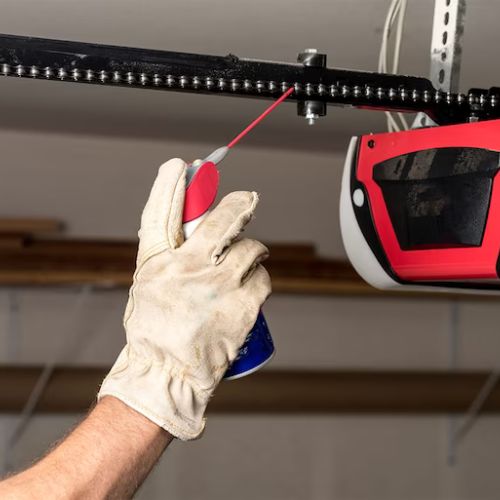
Use a garage door–specific lubricant on springs, rollers, and hinges a couple of times a year. Avoid heavy grease that attracts dirt.

  • Listen and watch

Pay attention to new noises, jerky movement, or changes in speed. Early changes are easier and cheaper to address.

  • Keep the door aligned and clean

Avoid bumping the door with vehicles or equipment. Small impacts can misalign tracks and put uneven pressure on your springs.

Comparison: Reactive vs. Preventive Approach in Gainesville

Approach Type What It Looks Like Typical Outcome in Gainesville Homes
Reactive Only Call only when something breaks More emergencies, higher long-term cost
Preventive + Reactive Annual checkups + call for obvious failures Fewer surprises, longer component life

Local example: Preventive plan for a North Hall homeowner

A North Hall homeowner opted for yearly maintenance after a spring replacement. During the first follow-up visit, we found:

  • A roller starting to crack
  • Minor track misalignment from a bump
  • Weatherstripping beginning to tear

We handled these small issues on the spot. Their door has now been running smoothly for several years with no emergency calls.

“A garage door is one of the largest moving systems in your home. Treat it like you treat your HVAC or car—with regular, professional service—and it will last longer and perform better.” — Owner, Always Open Garage Door Services

CALLOUT: Preventive care for your springs is less about doing more work—and more about doing the right small things at the right time.


What This Means for Businesses in Gainesville, GA

For Gainesville businesses—auto shops, storage facilities, service bays, small warehouses—garage door downtime is more than an inconvenience. It can disrupt operations, delay deliveries, and even create safety and security risks.

Heavy commercial-style doors place even greater demands on springs. When a spring fails on a service bay off Browns Bridge Road or Atlanta Highway, you may suddenly be unable to move vehicles in or out. In some cases, a stuck door can even violate fire code or block emergency access.

By prioritizing professional spring selection and replacement, local businesses can:

  • Reduce unexpected downtime and emergency calls
  • Protect expensive equipment and inventory stored behind doors
  • Lower wear on commercial openers, tracks, and hardware
  • Improve safety for employees who operate doors multiple times a day

Many Gainesville business owners are surprised to learn how frequently their doors cycle. A busy bay door can easily exceed 20–30 cycles per day, quickly outpacing standard spring ratings. Upgrading to high-cycle torsion springs and pairing spring replacement with scheduled Tune-Up and Inspection visits gives you predictable maintenance instead of surprise failures.

In an area with strong seasonal swings—pollen-heavy springs, humid summers, and occasional winter freezes—ensuring that springs, Weather Stripping, and Bottom Rubber Replacement are all in good shape also helps keep workspaces cleaner, more comfortable, and more energy efficient.

For both homeowners and businesses in Gainesville, the bottom line is simple: treating spring replacement as a strategic, system-wide upgrade—not just a quick fix—pays off in reliability, safety, and peace of mind.


Frequently Asked Questions

Q: How do I know if my garage door spring is actually broken or just out of adjustment?
A: A truly broken torsion spring usually has a visible gap in the coil and may be accompanied by a loud “bang.” The door will often only move a few inches or not at all, even though the opener runs. An out-of-adjustment or fatigued spring, on the other hand, may still look intact but cause the door to feel heavy, drop quickly, or force the opener to struggle. A professional Tune-Up and Inspection in Gainesville can quickly confirm which situation you’re dealing with and whether simple adjustment or full replacement is the safest choice.

Q: Can I replace just one spring if only one has broken?
A: Technically, you can, but it’s usually not recommended. On systems with two torsion springs, both springs typically have the same age and number of cycles. If one breaks, the other is often close behind. Replacing only one can leave you with an unbalanced system and a high chance of another failure soon after. In Gainesville, most reputable companies suggest replacing springs as a set for consistent performance, just as you would replace brake pads in pairs on your car. The additional cost is relatively small compared to another service call and downtime later.

Q: How long should new garage door springs last in a typical Gainesville home?
A: Lifespan depends on usage and spring rating. Standard torsion springs are usually rated for around 10,000 cycles. In a Gainesville household using the door 3–5 times per day, that can translate to roughly 6–10 years. High-cycle springs can last significantly longer—sometimes 15–20 years under similar use. Environmental factors, such as humidity and temperature swings, plus maintenance habits like lubrication and periodic Tune-Up and Inspection visits, also impact real-world lifespan.

Q: Will new springs fix my noisy or shaky garage door?
A: New springs can improve how smoothly and quietly your door operates, especially if the old springs were worn or mismatched. However, noise and shaking often stem from a combination of issues—worn rollers, loose or damaged hinges, misaligned tracks, or an aging opener. During a spring replacement, a thorough inspection of Broken Hinges, Broken Rollers, and Track Repair opportunities can help address the root causes. Many Gainesville homeowners see the best results when springs are replaced as part of a broader tune-up.

Q: Is it worth upgrading to high-cycle springs or a torsion conversion for my older system?
A: If you use your door frequently or plan to stay in your Gainesville home for several years, high-cycle springs can be a smart investment. They reduce how often you’ll need replacements and can be especially beneficial for busy households or small businesses. For doors with older proprietary systems, a Wayne Dalton Torsion Conversion can make future service easier and more cost-effective by using standard, widely available parts. Discuss your usage patterns and long-term plans with your technician—they can calculate payback based on cycles and typical local service costs.

Q: Will spring replacement improve my home’s energy efficiency or comfort?
A: Indirectly, yes. New springs help your door sit properly in the opening, which allows seals, Weather Stripping, and Bottom Rubber Replacement to make full contact. That reduces drafts, dust, and Gainesville’s notorious pollen from entering your garage. If you pair spring replacement with upgraded Insulation or a better-insulated door, you can see a noticeable difference in the temperature of rooms above or next to the garage—especially in Hall County’s hot summers and chilly winter mornings.

Q: How quickly can I get help if my spring breaks and my car is trapped in the garage?
A: Many spring failures in Gainesville feel like emergencies because they happen at the worst possible time—on the way to work, school, or the airport. Local providers like Always Open Garage Door Services prioritize same-day or next-day service for non-functional doors, especially when vehicles are trapped. It’s important not to force the door open manually if the spring is broken; this can be dangerous and may cause more damage. Call a professional right away, explain the situation, and they’ll walk you through safe next steps while scheduling prompt service.


Ready to Get Started?

A failing or broken garage door spring rarely fixes itself—and waiting often makes the problem more expensive and inconvenient. In Gainesville’s busy daily rhythm, a stuck door can throw off your entire day, whether you’re commuting downtown, heading to the lake, or opening up your small business.

If you’ve noticed your door getting heavier, noisier, or more unpredictable, now is the ideal time to address it—before it leaves you stranded. Professional Spring Replacement restores safety, protects your opener and hardware, and gives you a chance to tackle related issues like Track Repair, Broken Rollers, or Weather Stripping in a single, efficient visit.

Always Open Garage Door Services is locally based in Gainesville, GA, so you’re not waiting on someone to drive in from Atlanta. Our technicians work on springs every day, follow industry-best safety practices, and are familiar with the specific doors, builders, and conditions common in Hall County neighborhoods.

Take the next step toward a safer, smoother, and more reliable garage door system. Schedule an inspection, ask questions, and get a clear, no-pressure estimate tailored to your door and your home or business.


About Always Open Garage Door Services

Always Open Garage Door Services is a locally owned and operated company serving Gainesville, GA, and the surrounding Hall County area. With years of hands-on experience in Spring Replacement, Track Repair, Panel Replacement, and full-system maintenance, our team focuses on safety, transparency, and long-term reliability. We’re familiar with the unique needs of Gainesville homes and businesses and stand behind our work with professional, friendly service. Learn more about our services and story at https://aogds.com/.

Leave a Comment

Your email address will not be published. Required fields are marked *

Scroll to Top