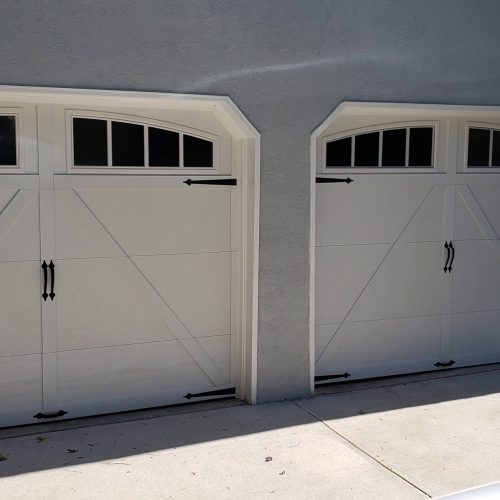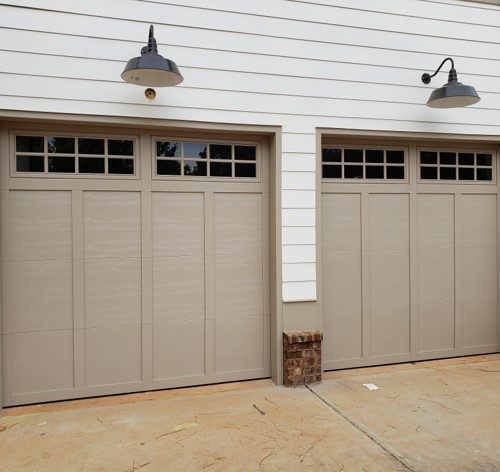
Selecting the Best Garage Door Materials Available

Selecting the Best Garage Door Materials Available

A lot of property owners in Gainesville don’t think much about their garage door—until it jams halfway down in a thunderstorm or starts warping in the summer heat. Yet your garage door is often the largest moving object on your property, a major part of your curb appeal, and one of the biggest openings in your building’s envelope. The material you choose affects security, energy costs, noise levels, and how often you’re calling for repairs.

Across the U.S., upgrading a garage door is consistently ranked among the top home projects for return on investment, often recouping 90–100% of its cost at resale. In North Georgia’s mix of humid summers and chilly winters, the right door material and build can also trim your heating and cooling bills.

This guide walks you through the most common garage door materials, how they perform in Gainesville’s climate, and what to consider for long-term durability, maintenance, and safety. You’ll see real-world examples, cost comparisons, and practical tips so you can choose a door that looks great and works reliably for years.

Key Insight: The “best” garage door material isn’t the same for everyone—it’s the one that balances durability, insulation, maintenance, and budget for your specific property and how you use your garage.


Understanding Your Options: Common Garage Door Materials Explained

Before you can pick the best door, it helps to understand what’s actually available and how each material behaves in real-world conditions.

Steel: The Workhorse of Modern Garage Doors

Steel is the most popular garage door material today, and for good reason. It’s strong, relatively affordable, and available in a huge range of styles and colors. Modern steel doors can be single-layer (just a steel skin), double-layer (steel plus insulation), or triple-layer (steel, insulation, and an interior steel backer for added strength).

In Gainesville, steel holds up well against humidity and frequent rain as long as it’s properly finished and maintained. A high-quality, galvanized steel door with a baked-on paint finish resists rust and fading, making it ideal for both homes in neighborhoods like Sterling on the Lake and commercial properties along Browns Bridge Road.

“For most properties in North Georgia, a well-insulated steel door gives the best balance of cost, durability, and energy efficiency.” — Local Door Specialist

Steel doors pair especially well with modern hardware systems. If you ever need Track Repair or Broken Rollers service, steel panels are generally straightforward to adjust and align.

Aluminum: Lightweight and Corrosion-Resistant

Aluminum doors are lighter than steel and naturally resistant to rust, which can be a plus for properties near Lake Lanier where moisture levels are higher. They’re often used in full-view “glass and aluminum” doors for car dealerships, restaurants, and modern homes.

The trade-off is that aluminum dents more easily than steel. A minor bump from a vehicle or lawn equipment can leave a noticeable crease. While Panel Replacement is possible, frequent dents can add up over time.

Tip: If you’re considering aluminum, ask about thicker-gauge options and protective finishes, especially for high-traffic commercial applications in Gainesville’s busy corridors.

Wood and Faux Wood: Classic Look vs. Modern Performance

For many property owners, nothing beats the warmth and character of a wood garage door. But in a climate like Gainesville’s, where summers are hot and humid and thunderstorms are common, the realities of wood maintenance matter.

Real Wood: Beauty with a Maintenance Commitment

Real wood doors—cedar, redwood, mahogany, or custom-built carriage house styles—offer unmatched curb appeal. They can significantly elevate a property’s appearance, especially in established neighborhoods and upscale communities.

However, wood is vulnerable to:

  • Moisture absorption and swelling
  • Warping or cracking as temperatures and humidity swing
  • Fading, peeling, and surface damage without regular refinishing

A Gainesville homeowner near the Chattahoochee Golf Club installed a custom wood carriage-style door to complement their traditional architecture. It looked fantastic, but they soon realized it needed staining or sealing every 1–2 years. Skipping that maintenance led to minor warping and gaps, which required additional repairs and adjustments.

Those gaps matter: they can compromise energy efficiency and allow drafts. In cases like this, adding or upgrading Weather Stripping helps seal around the door, but the underlying material will still move with the seasons.

Faux Wood (Composite and Steel with Wood-Grain Finish)

Faux wood doors aim to deliver the look of wood with less upkeep. There are two main types:

  • Steel doors with wood-grain finishes (painted or stained-look)
  • Composite doors made from engineered materials designed to mimic wood

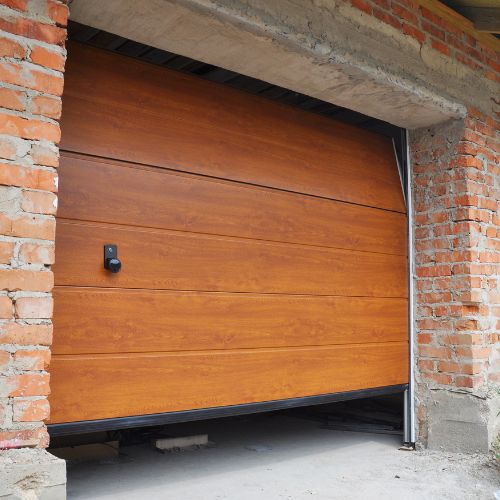
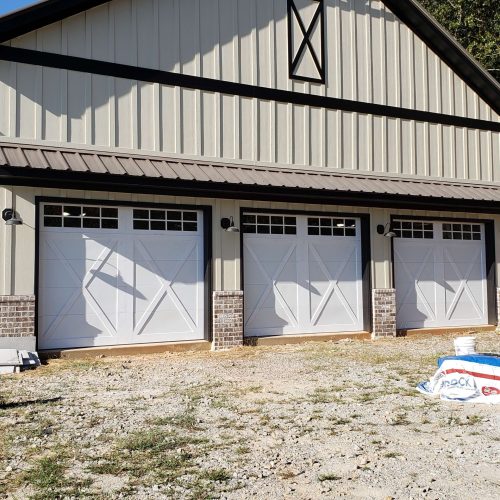
These doors resist rot, insects, and much of the warping you see with true wood. For many Gainesville homeowners, a steel carriage-style door with a wood-grain finish has become the sweet spot: classic aesthetics without constant refinishing.

“Composite and faux wood doors offer the charm of wood with performance closer to steel—especially important in humid climates like North Georgia.” — Building Materials Consultant

CALLOUT: If you love the look of wood but park inside daily, consider insulated faux wood steel. You’ll get style, durability, and improved comfort in your garage.


Insulation, Energy Efficiency, and Comfort in North Georgia’s Climate

Material is only part of the story. How your door is built—and whether it’s insulated—has a huge impact on comfort and energy use, especially in a town like Gainesville where summers bring 90°+ heat and winters can still dip below freezing.

Why Insulation Matters

An attached garage shares walls (and sometimes ceilings) with conditioned spaces. A poorly insulated garage door acts like a giant radiator, letting heat in during summer and warmth out in winter. This can:

  • Raise your energy bills
  • Make any rooms above or next to the garage uncomfortable
  • Put extra load on your HVAC system

Insulated doors use polystyrene or polyurethane foam between the layers. Polyurethane usually offers a higher R-value (better thermal resistance) and a more rigid, quieter door.

A local business on Jesse Jewell Parkway upgraded from an old, uninsulated steel door to a modern insulated model and added professional Insulation and perimeter sealing. They reported the workshop stayed about 10–15 degrees cooler in summer and noticeably warmer in winter, making it more comfortable for staff and reducing AC run time.

Weather Seals and Bottom Rubber

Even the best door material underperforms if air and moisture leak around it. That’s where:

  • Perimeter weather seals
  • Header seals
  • Bottom rubber come in

Over time, bottom seals crack, flatten, or pull away, especially with frequent use and exposure to rain and sun. A simple Bottom Rubber Replacement can dramatically improve drafts, pest control, and water resistance.

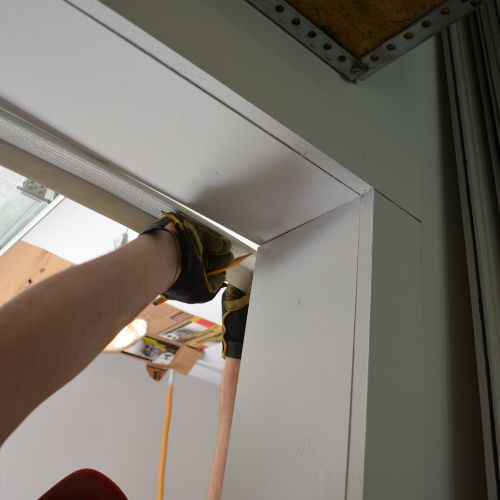
Tip: If you feel noticeable air movement or see daylight around your closed door, schedule a quick inspection. Often, upgrading Weather Stripping and seals is a low-cost, high-impact fix.

Durability, Maintenance, and Long-Term Costs

Choosing a garage door material isn’t just about the purchase price. It’s about what it costs you in time, money, and hassle over 10–20 years.

How Different Materials Age in Gainesville

Humidity, UV exposure, and frequent storms are tough on exterior materials. Here’s how common options hold up:

  • Steel: Excellent structural durability, especially in thicker gauges. Needs occasional repainting or touch-ups if the finish is damaged.
  • Aluminum: Won’t rust but can dent easily. Good for corrosion-prone areas but may show wear sooner.
  • Wood: Beautiful but requires regular sealing/painting. Susceptible to swelling, rot, and insect damage if neglected.
  • Composite/Faux Wood: Designed for weather resistance, often with minimal maintenance.

A commercial property near downtown Gainesville opted for budget single-layer steel doors a decade ago. Initially, they saved money, but over the years the thin panels dented, warped slightly, and provided poor insulation. The owner eventually chose a full Panel Replacement with insulated steel, realizing that a slightly higher upfront investment would have saved on repairs and energy costs.

“The cheapest door on day one is often the most expensive door by year ten.” — Facility Manager, Regional Retail Chain

Traditional vs. Modern Approach to Door Selection

Below is a side-by-side comparison that often comes up in our conversations with Gainesville customers:

Approach Short-Term Cost (Gainesville) Long-Term Cost/Impact Typical Materials
Basic, uninsulated replacement Low Higher energy bills, more noise, more frequent repairs Thin steel, aluminum
Insulated, durable system Moderate Lower utilities, quieter operation, fewer service calls Insulated steel, composite
High-end custom wood High High maintenance, premium curb appeal Solid wood, custom designs

CALLOUT: Think in 10-year terms. Ask your installer about expected lifespan, maintenance, and repair history for each material—not just the purchase price.


Safety, Hardware, and How Materials Affect Performance

The material you choose affects more than just looks. It also influences weight, which in turn impacts springs, tracks, hinges, and the opener. A door that’s too heavy for its hardware—or poorly balanced—can become a serious safety risk.

Springs, Tracks, and Balance

A wood or heavily insulated steel door weighs significantly more than a basic single-layer steel panel. That extra weight requires properly sized springs, robust tracks, and high-quality rollers.

If the springs are worn or undersized, the opener has to work much harder. This can lead to:

  • Premature opener failure
  • Crooked or binding door movement
  • Sudden spring breakage, which can be dangerous

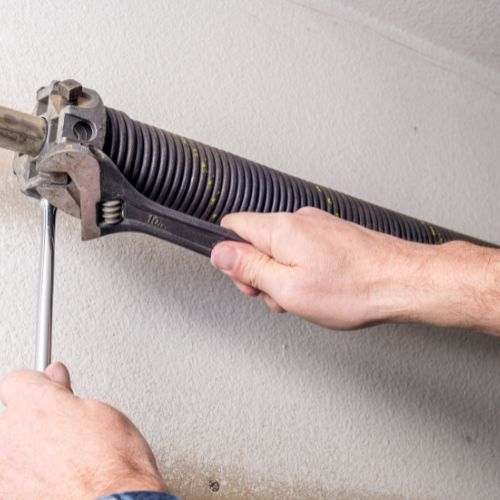
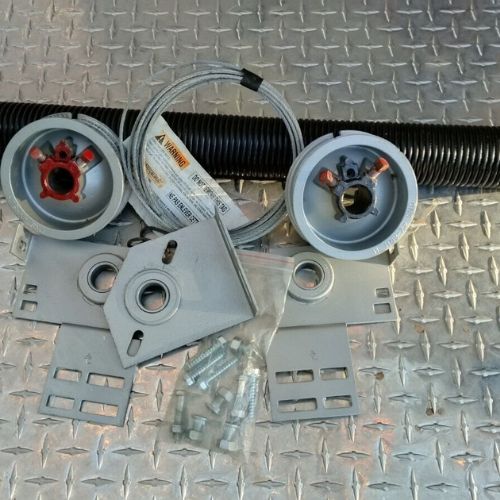
We often see this when someone upgrades only the panels (say, from aluminum to insulated steel) without adjusting the spring system. In these cases, Spring Replacement and, in some systems, Wayne Dalton Torsion Conversion are needed to safely handle the new weight.

“A properly balanced door should stay in place when lifted halfway. If it slams shut or shoots up, your springs and hardware need attention.”

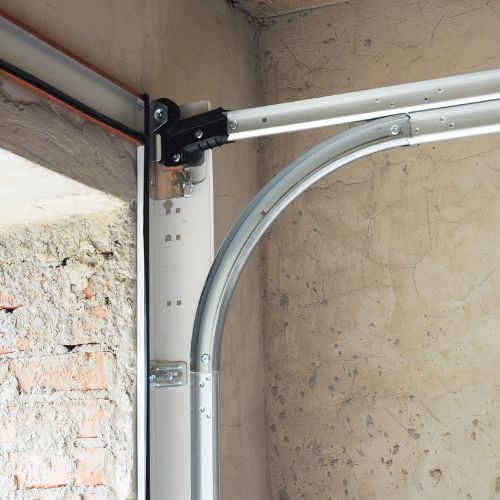
Similarly, bent or undersized tracks can cause binding or noisy operation. Periodic Track Replacement or repair keeps the system running smoothly and reduces stress on your opener.

Hinges, Rollers, and Smooth Operation

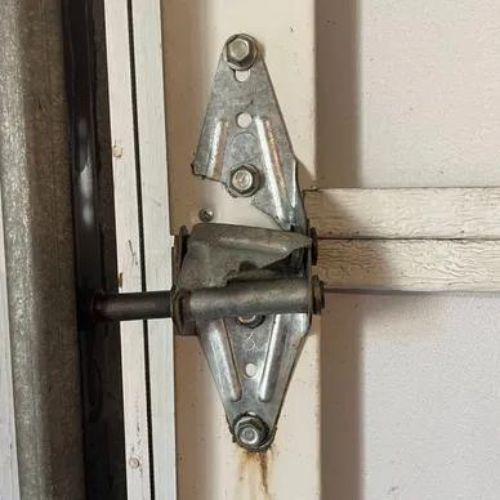
Heavier doors put more strain on hinges and rollers. In Gainesville, where temperature swings can cause metal to expand and contract, low-quality hardware tends to wear out faster. That’s why we see many calls for Broken Hinges or rollers on older or improperly installed systems.

A well-matched system includes:

  • Appropriately rated hinges and rollers for the door’s weight
  • Quality ball-bearing rollers for quieter operation
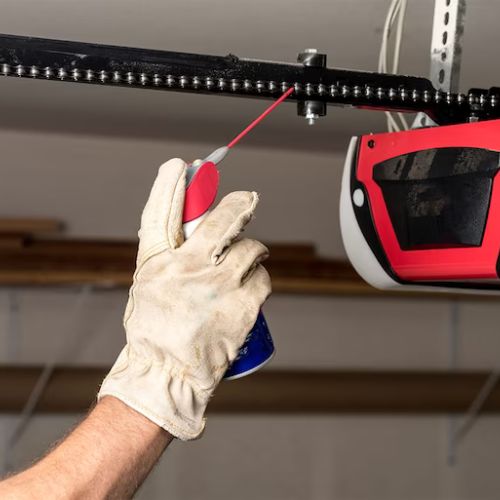
  • Regular lubrication and adjustment through a Tune-Up and Inspection
Tip: If your door shakes, squeals, or jerks as it moves, it’s not just annoying—it’s a sign that something is out of balance or wearing prematurely.

Technology, Motors, and Matching Your Door to the Right Opener

Today’s garage doors are more than just panels and springs. Smart openers, quiet motors, and integrated safety features all play a role in how your door performs day to day.

Motor Size and Door Material

Heavier materials—like insulated steel or wood—need a more powerful opener. Installing a lightweight opener on a heavy door is like towing a trailer with a compact car: it might move, but it won’t last long.

In Gainesville, we often recommend:

  • 1/2 HP openers for lighter, single-layer steel or aluminum doors
  • 3/4 HP or higher for insulated steel, composite, or wood doors
  • Belt-drive or direct-drive systems for quieter operation in homes with bedrooms above the garage

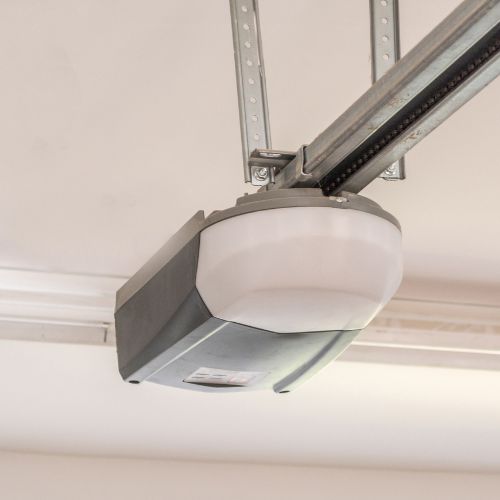
A family in the New Holland area upgraded from a basic aluminum door to an insulated faux-wood steel door. Their old chain-drive opener strained and frequently reversed mid-cycle. A professional Motor Installation with a properly sized, modern opener solved the problem and significantly reduced noise.

Smart Features and Safety

Regardless of material, modern openers offer:

  • Rolling code security to prevent signal theft
  • Safety sensors to stop the door if something is in the way
  • Smartphone integration to monitor and control access remotely

These features are especially valuable for Gainesville businesses that receive after-hours deliveries or homeowners who travel frequently and want to check if they closed the door.

CALLOUT: When you choose a new door material, ask your installer to evaluate your current opener. Matching the right motor to the door avoids nuisance problems and extends the life of your entire system.


Cost, Value, and Making the Right Choice for Your Property

Prices vary based on design, size, insulation, and hardware, but some general patterns hold true in the Gainesville market.

Typical Cost Ranges (Gainesville, GA Area)

Material / Build Type Installed Cost Range Best For
Basic single-layer steel $ Budget replacements, detached garages
Insulated steel (double/triple-layer) $$–$$$ Most homes and light commercial
Aluminum (standard) $$ Corrosion-prone or low-weight needs
Full-view aluminum/glass $$$–$$$$ Storefronts, showrooms, modern homes
Faux wood insulated steel $$$ High curb appeal + performance
Custom real wood $$$$ Premium homes, architectural statements

\Actual pricing depends on size, options, and installation conditions; these ranges are for general comparison only.

A Gainesville business owner on Atlanta Highway recently faced a choice: replace their aging, dented steel door with another basic model, or spend a bit more on an insulated, heavier-duty door. After reviewing energy costs and the frequency of past repairs, they opted for the upgraded insulated steel. The upfront difference was modest, but the expected savings in energy and reduced service calls made it the smarter long-term investment.

What This Means for Businesses in Gainesville, GA

For Gainesville businesses and property managers, your garage or service doors often see far more cycles per day than a typical home. That makes material and build quality even more critical.

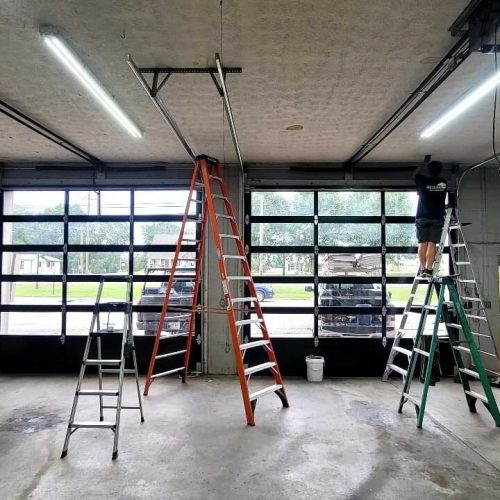
  • Auto shops and logistics facilities need durable, insulated steel or aluminum doors that can withstand constant use and occasional impacts. Choosing the right material reduces downtime from bent tracks, damaged panels, or Broken Hinges.
  • Retail and restaurant spaces along key corridors like Dawsonville Highway may want full-view aluminum and glass for visibility and aesthetics—balanced with the right Insulation and seals to maintain indoor comfort.
  • Medical offices, schools, and municipal facilities around Gainesville benefit from quieter, insulated doors that minimize noise transfer and improve energy efficiency.

Because Gainesville’s climate swings from muggy summers to chilly winters, investing in insulated doors and quality weather seals pays off quickly. Regular Tune-Up and Inspection services keep springs, tracks, and openers in top shape, reducing emergency repairs and extending the life of the entire system.

For many local businesses, the garage door is a critical part of daily operations. Material choice, hardware quality, and professional installation can mean the difference between smooth, reliable access and repeated disruptions that cost time and money.


Frequently Asked Questions

Q: How do I decide between insulated and non-insulated garage doors for my Gainesville property?
A: Start by considering how you use the space. If your garage is attached, used as a workshop, or has rooms above or next to it, an insulated door is usually the better choice. In Gainesville’s climate, insulation helps keep summer heat and winter cold from transferring into your building, reducing strain on your HVAC system. Pairing an insulated door with proper Insulation and quality Weather Stripping can significantly improve comfort and lower energy bills. Non-insulated doors may be fine for detached garages or storage buildings where temperature control and noise aren’t concerns.

Q: Is real wood worth the extra maintenance in North Georgia’s humid climate?
A: Real wood offers unmatched beauty and can enhance curb appeal, especially for higher-end homes in and around Gainesville. However, it does demand a serious maintenance commitment. Expect to repaint or reseal every 1–2 years to protect against moisture, UV damage, and potential warping. If you’re not prepared for that level of upkeep, consider a high-quality faux wood steel or composite door. These options deliver a similar look with much less maintenance and work well with modern hardware, including Spring Replacement and other service needs over time.

Q: Will a heavier, insulated door require changes to my existing opener and hardware?
A: Often, yes. Heavier materials—like insulated steel or wood—put more load on your springs, tracks, and opener. If you upgrade from a light aluminum or single-layer steel door to a heavier model without adjusting the hardware, you may experience strain on the opener, noisy operation, or even premature failure. In many cases, a properly sized opener and, if needed, a Wayne Dalton Torsion Conversion or upgraded spring system will be recommended. A professional Motor Installation ensures your new door and opener are safely matched.

Q: How do different materials affect repair costs over time?
A: Thin steel and aluminum doors may have lower upfront costs but can dent more easily, leading to more frequent Panel Replacement. Wood doors, while beautiful, can require repairs due to warping, rot, or insect damage if not maintained. Insulated steel and quality composite doors tend to offer the best balance of durability and repair costs in Gainesville’s climate. Regardless of material, regular Tune-Up and Inspection services help catch issues early—like minor Broken Rollers or misaligned tracks—before they become major repairs.

Q: How important is weather sealing around the door if I choose a high-end material?
A: Extremely important. Even the best door material underperforms without proper sealing. Gaps at the sides, top, or bottom allow drafts, pests, and moisture into your garage. Over time, worn seals can also contribute to rust at the bottom of steel doors or moisture issues with wood. In Gainesville’s rainy climate, effective Weather Stripping and timely Bottom Rubber Replacement are essential. Think of the seals as part of the door system; they work with the material and insulation to provide full protection.

Q: My garage door is older but still working—should I replace it or just repair parts as needed?
A: It depends on the door’s age, condition, and how well it meets your current needs. If the material is rusting, rotting, or significantly warped, or if you’re dealing with repeated issues like Track Replacement and frequent Spring Replacement, a new door may be more cost-effective over the next decade. On the other hand, if the panels are sound and the material is holding up, targeted repairs—like new rollers, springs, or a Motor Installation—can extend its life. A professional inspection can help you weigh repair vs. replacement with real numbers.

Q: Are there specific materials you recommend for commercial properties in Gainesville?
A: For commercial applications—auto shops, warehouses, service bays—insulated steel or heavy-duty aluminum doors are usually the best fit. They handle frequent cycling, resist damage better, and help stabilize indoor temperatures, which is important in Gainesville’s hot summers. Full-view aluminum and glass are popular for showrooms and storefronts, but they should still be paired with appropriate Insulation and sealing. Whatever the material, commercial doors need robust hardware and regular Tune-Up and Inspection to avoid unplanned downtime.


Ready to Get Started?

Choosing the right garage door material is one of those decisions you feel every day—each time the door opens, closes, and stands between your property and the Gainesville weather. If your current door is noisy, drafty, or showing its age, now is an ideal time to evaluate your options.

Seasonal temperature swings, frequent storms, and everyday wear all add up. Upgrading to a better-suited material, improving insulation, or addressing worn hardware before it fails can save you from inconvenient breakdowns and emergency repairs. It also gives you the chance to improve curb appeal and day-to-day comfort for everyone using the space.

The next step is simple: schedule a professional assessment. A qualified technician can look at your existing door, opener, and hardware; discuss how you use your garage; and recommend the best material and setup for your property and budget. Whether that means a straightforward Panel Replacement, new Weather Stripping, or a complete system upgrade, you’ll have clear options and real numbers to work with.


About Always Open Garage Door Services

Always Open Garage Door Services is a locally focused garage door company proudly serving Gainesville, GA and the surrounding North Georgia communities. Our team brings years of hands-on experience with residential and commercial doors of every type—steel, aluminum, wood, and composite. We specialize in everything from Track Repair and Spring Replacement to full door and Motor Installation, always with an emphasis on safety, reliability, and honest recommendations. Learn more about our services and local commitment at https://aogds.com/.

Leave a Comment

Your email address will not be published. Required fields are marked *

Scroll to Top