Energy-Efficient Garage Doors for Eco-Friendly Homes

Energy-Efficient Garage Doors for Eco-Friendly Homes

On a hot July afternoon in Gainesville, GA, your garage can feel more like a sauna than part of your home. With summer highs regularly hitting the 90s and winter nights dipping below freezing, that big garage door becomes one of the largest, least-insulated surfaces in your house. The result? Higher energy bills, uncomfortable rooms above or next to the garage, and more strain on your heating and cooling system.

According to the U.S. Department of Energy, heating and cooling account for about 40–50% of a typical home’s energy use. If your garage door is old, uninsulated, or poorly sealed, it can quietly drain a big chunk of that energy. For eco‑conscious homeowners in Gainesville looking to cut costs and reduce their carbon footprint, upgrading to an energy‑efficient garage door is one of the smartest moves you can make.

In this guide, you’ll learn how modern garage doors improve efficiency, which upgrades matter most in our North Georgia climate, how to compare options, and what real savings and comfort you can expect—plus practical tips you can start using today.

Key Insight: An energy‑efficient garage door doesn’t just “feel greener”—it directly lowers utility bills, boosts comfort in nearby rooms, and extends the life of your HVAC system, especially in climates like Gainesville’s with hot summers and chilly winters.


Why Your Garage Door Matters for Whole‑Home Efficiency

Most people think about windows, attic insulation, and HVAC systems long before they think about the garage door. Yet the garage often connects directly to conditioned spaces—like a bonus room over the garage, a hallway, or a laundry room. When the garage swings wildly between temperature extremes, all that heat or cold seeps into the rest of your home.

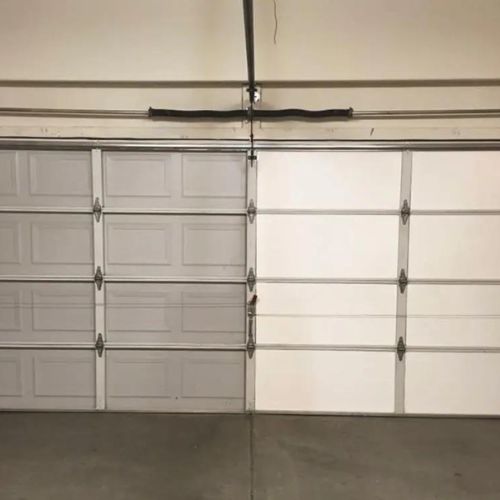
In Gainesville, many homes built 15–25 years ago have basic steel garage doors with little or no insulation. They were designed to be durable and functional, not energy‑efficient. Over time, worn seals, aging hardware, and minor damage compound the problem.

Consider this scenario: a homeowner in the Lakeshore area calls because the room over their garage is always 5–10 degrees warmer in summer than the rest of the house. Their AC runs constantly, but the room never feels right. During an inspection, the technician finds:

  • A hollow, uninsulated door
  • Gaps along the sides where old weather seals have shrunk
  • A cracked bottom seal letting in outdoor air and pests
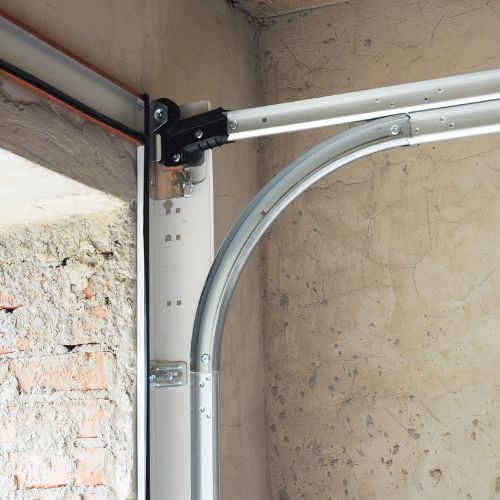
  • Bent tracks and Track Repair needs causing the door to not fully close against the frame

Once they upgrade to an insulated door, replace seals, and correct the track issues, the temperature difference in that bonus room drops dramatically—and so do their power bills.

“The garage door is often the largest moving wall in your home. Treating it like an exterior wall, not just an access point, is critical for true energy efficiency.” — Residential Door Specialist

CALLOUT: If you’re serious about an eco‑friendly home, your garage door should be part of your energy strategy, not an afterthought.


Insulation, R‑Values, and Door Construction: What Really Matters

Energy‑efficient garage doors are built differently from the thin, single‑layer doors many Gainesville homes still have. The most important concept to understand is R‑value—the measure of how well a material resists heat flow. Higher R‑values mean better insulation.

Key elements of an efficient door

  • Multi‑layer construction

Modern doors typically use two or three layers of steel or composite material with insulation sandwiched between them.

  • Insulation type
  • Polystyrene: More affordable, decent performance
  • Polyurethane (foam‑in‑place): Higher R‑value, stronger door, better sound reduction
  • Thermal breaks and seals

Quality doors include internal thermal breaks and strong perimeter seals to limit heat transfer and air leakage.

In practice, upgrading to a properly insulated door or adding Insulation to an existing door can:

  • Reduce temperature swings in the garage by 10–20°F
  • Cut energy waste from adjacent rooms
  • Make the garage more usable as a workshop, gym, or storage space

A Gainesville customer near New Holland wanted to turn their garage into a part‑time home gym. In summer, the space was unbearable. After installing a high‑R‑value insulated door, sealing gaps, and adding a small mini‑split AC, they reported using half the cooling they expected and comfortably working out even in August.

“Think of your garage door like a giant insulated cooler lid. If the lid is thin and leaky, nothing else you do will perform the way it should.” — Building Performance Consultant

Tip: Ask for the door’s tested R‑value, not just the insulation’s R‑value. The full assembly (panels, joints, and seals) determines real‑world performance.

Sealing the Envelope: Weather Stripping, Bottom Seals, and Hardware Health

Even the best insulated door will waste energy if air can easily sneak around it. In Gainesville’s humid climate, gaps also invite moisture, bugs, and even small rodents. That’s where weather sealing and hardware condition become critical.

Weather stripping and bottom seals

Perimeter seals and bottom rubbers are your first line of defense against drafts and moisture. Over time, these flexible materials dry out, crack, or compress, leaving visible light and invisible air leaks.

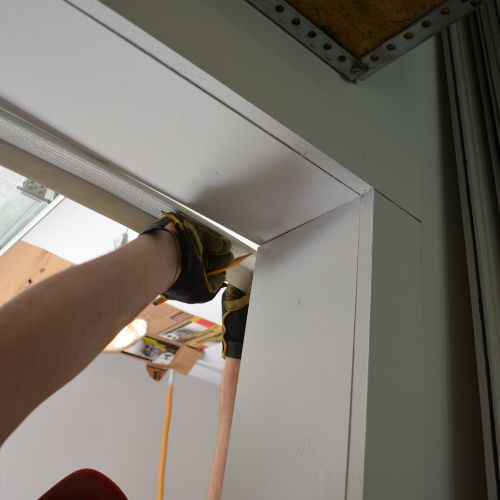
  • Replacing worn seals with new Weather Stripping can immediately reduce drafts.
  • A fresh Bottom Rubber Replacement keeps out cold air, water, and pests.
  • Quality seals also help block pollen and dust—important in Georgia’s allergy seasons.

A homeowner off Thompson Bridge Road called after noticing water blowing under their garage door during storms. An inspection revealed a badly cracked bottom seal and misaligned tracks causing uneven contact with the floor. After replacing the seal and adjusting the door alignment, the water stopped—and the garage felt noticeably less drafty.

Hardware and efficiency

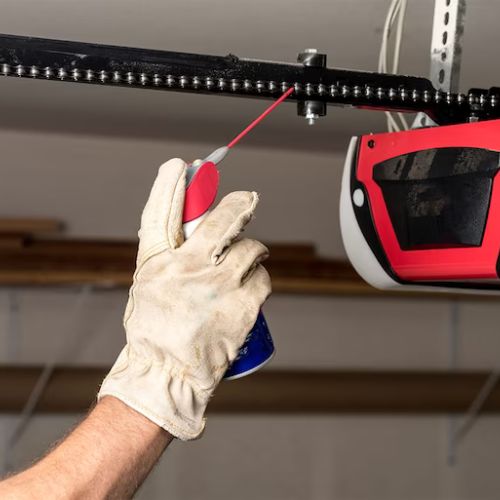
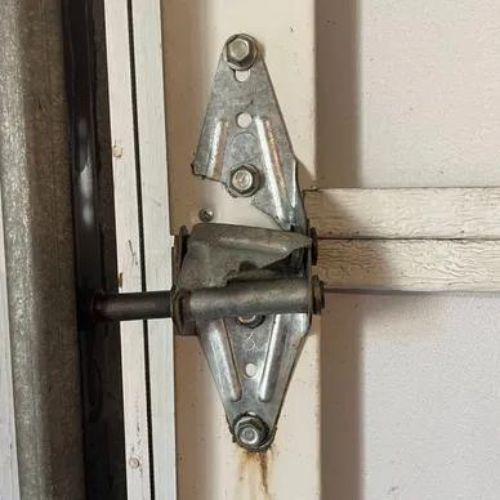
You might not connect hardware like hinges and rollers with energy efficiency, but you should. Worn, noisy, or Broken Hinges and Broken Rollers can prevent the door from closing evenly or fully sealing.

A regular Tune-Up and Inspection helps:

  • Catch minor alignment issues before they create gaps
  • Ensure the door sits squarely in the opening
  • Verify that seals contact the frame and floor properly

“Air leaks don’t always look dramatic. A quarter‑inch gap along the bottom of a double door can leak as much air as a small open window.” — Energy Auditor

CALLOUT: If you see daylight anywhere around your closed garage door, you’re losing conditioned air—and money—every single day.


Smart Repairs vs. Full Replacement: Choosing the Right Path

Not every homeowner in Gainesville needs a brand‑new garage door to boost efficiency. Sometimes strategic repairs and upgrades can deliver most of the benefits at a fraction of the cost. The key is knowing when to repair and when replacement is the smarter, more eco‑friendly choice.

When repairs make sense

If your door is structurally sound, relatively modern, and not severely damaged, targeted repairs can go a long way:

  • Fixing bent tracks or performing Track Replacement so the door seals correctly
  • Swapping out damaged panels with Panel Replacement instead of a full new door
  • Adding Insulation kits to certain steel doors
  • Upgrading seals and bottom rubbers

A family near the Gainesville square had a decent, mid‑age steel door with a couple of dented sections from a minor fender‑bender. The door was uninsulated, but the frame and hardware were solid. Instead of replacing the entire system, the technician:

  • Replaced the damaged panels
  • Added interior insulation panels
  • Installed new perimeter and bottom seals
  • Performed a complete system tune‑up

The result was a more efficient door, a better appearance, and significantly lower cost—and waste—than a full replacement.

When replacement is the better investment

On the other hand, if your door is:

  • More than 20–25 years old
  • Severely rusted, warped, or cracked
  • Lacking safety features or modern hardware
  • A unique system like older Wayne Dalton torsion setups that are failing

Then a full replacement and possibly a Wayne Dalton Torsion Conversion can be both safer and more efficient. Converting to a modern torsion spring system not only improves reliability but can also allow better balance and sealing for heavier insulated doors.

Tip: Ask your technician to show you the long‑term cost comparison between repeated repairs and a full replacement. Sometimes “patching” an old, leaky door ends up more expensive—financially and environmentally.

Traditional vs. Modern Garage Doors: Cost, Comfort, and Eco Impact

To understand the benefits of energy‑efficient garage doors, it helps to compare them directly to older, uninsulated models still common across Gainesville neighborhoods.

Performance comparison

Feature Traditional Uninsulated Door Modern Insulated Door
Typical Construction Single‑layer steel or wood 2–3 layer steel/composite with foam core
Approximate R‑Value R‑0 to R‑3 R‑9 to R‑18+
Garage Temperature Swing 25–35°F vs. outside 10–20°F vs. outside
Noise Reduction Low High (quieter inside and out)
Durability Moderate Higher (rigid, dent‑resistant)
Upfront Cost (Gainesville area) Lower Moderate to higher
Long‑Term Energy Savings Minimal Significant, especially with attached garages
Resale Appeal Basic Strong selling point for energy‑conscious buyers

Local cost and benefit snapshot (Gainesville, GA)

Option Typical Installed Cost Range Estimated Annual Energy Impact
Basic uninsulated steel door $900 – $1,400 Little to no savings
Mid‑range insulated steel door $1,400 – $2,200 $50–$150/year savings
High‑R‑value premium door $2,200 – $3,500+ $100–$250/year savings + comfort gains

\Actual pricing varies by size, design, and hardware.
\Estimates based on typical Gainesville utility rates and attached two‑car garages.

A homeowner in the Sardis area replaced a 25‑year‑old, uninsulated double door with a high‑R insulated model. Combined with new seals and a Motor Installation featuring soft‑start/stop (reducing stress on the system), they reported:

  • A 15–20°F improvement in summer garage temperatures
  • Noticeably less noise in the bedroom above the garage
  • Lower monthly power bills—especially during extreme heat and cold

“Upgrading to an insulated door is one of those improvements you feel every single day, not just when you open your utility bill.” — North Georgia Homeowner

CALLOUT: For many Gainesville homeowners, the comfort and usability gains in the garage and adjacent rooms are just as valuable as the direct energy savings.


Smart Openers, Springs, and Maintenance: The Hidden Efficiency Boosters

Energy efficiency isn’t only about insulation and seals. The mechanical systems that move your door also affect performance, lifespan, and even how much power your opener uses.

Efficient openers and motors

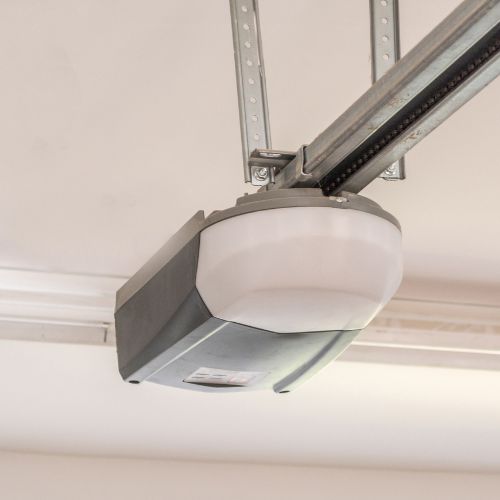
Modern openers are quieter, smarter, and often more energy‑conscious than older units. A professional Motor Installation can:

  • Reduce standby power consumption with updated electronics
  • Offer soft‑start and soft‑stop to reduce wear on the door and hardware
  • Integrate with smart home systems, allowing you to check if the door is closed (no more leaving it open all night and wasting energy)

Springs and balance

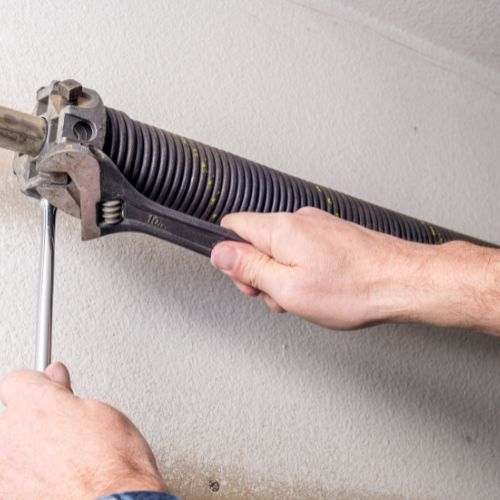
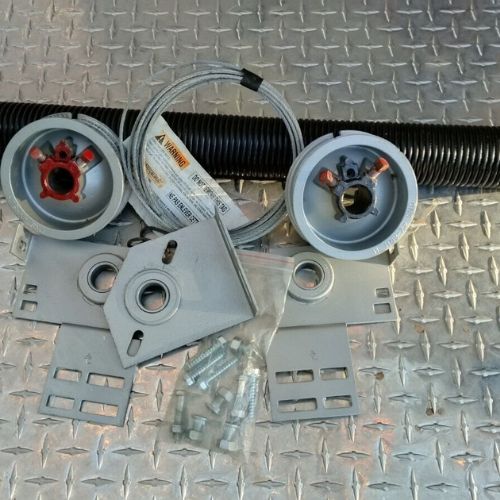
Your garage door should be properly balanced so that it takes minimal force to move. Worn or incorrect springs force the opener to work harder, using more energy and wearing out faster.

  • Timely Spring Replacement ensures smooth, efficient operation.
  • A correctly balanced door also closes more reliably and consistently against the seals, helping maintain that tight energy‑saving envelope.

A homeowner near Lake Lanier had an older, heavy wood door and an aging opener. The door was out of balance, and the opener strained with every cycle. After replacing the springs, installing a modern opener, and performing a full system tune‑up, the opener ran quieter, used less power, and the door closed snugly every time.

“A properly balanced door should feel almost weightless when disconnected from the opener. If you’re straining to lift it, your opener is too.” — Service Technician

Tip: Schedule a yearly Tune-Up and Inspection before peak summer or winter. Catching issues early keeps your system efficient and prevents surprise breakdowns.

Turning Your Garage into a Comfortable, Eco‑Friendly Space

Once your door is insulated, sealed, and running smoothly, you can start thinking about your garage as more than just a place to park. In Gainesville, where many homeowners want extra space without the cost of a full addition, an efficient garage opens up new possibilities.

Practical ways to use an efficient garage

  • Workshop or hobby space

With better temperature control and noise reduction, you can comfortably work on projects without heating or cooling the whole house.

  • Home gym or play area

A stable, comfortable garage is ideal for fitness equipment or a kids’ play zone—especially during rainy or steamy summer days.

  • Storage for temperature‑sensitive items

Seasonal décor, tools, and even some pantry items fare much better in a garage that doesn’t bake in July or freeze in January.

A Gainesville couple off Browns Bridge Road wanted a home office but couldn’t add onto their house due to HOA rules. Instead, they upgraded their garage door, added wall insulation, and installed a mini‑split system. Because the garage stayed relatively moderate thanks to the insulated door and tight seals, the small HVAC unit didn’t have to work nearly as hard as expected.

What This Means for Businesses in Gainesville, GA

If you own or manage a small business, rental property, or home‑based operation in Gainesville, your garage or shop door has an outsized impact on operating costs and comfort.

  • Service businesses and trades

Contractors who store tools and materials in garages or small warehouses benefit from better temperature control and reduced humidity, which can extend the life of equipment and supplies.

  • Rental properties

Energy‑efficient garage doors make units more appealing to tenants and can reduce complaints about “too hot” or “too cold” bonus rooms or garages.

  • Home offices and studios

With more people working from home around Gainesville, converting part of a garage into a studio or office is common. An efficient door is essential for comfort and lower utility costs.

In a competitive local real estate market, features that signal energy efficiency—like insulated garage doors, upgraded seals, and modern openers—are increasingly attractive. They show that the property has been maintained with long‑term performance in mind, not just quick fixes.

And for businesses conscious of their environmental impact, reducing wasted energy through better building envelopes (including garage doors) is one of the most straightforward, measurable steps you can take.


Frequently Asked Questions

Q: How much can an energy‑efficient garage door really save me on utilities in Gainesville?
A: The exact savings depend on your home’s layout, the door’s size, and how you use the garage. For attached garages, especially those with living spaces above or beside them, upgrading to an insulated door with proper Weather Stripping and a good Bottom Rubber Replacement can reduce heating and cooling loss noticeably. Many homeowners see $50–$200 per year in reduced energy use, plus improved comfort. If your current door is uninsulated and leaky, the difference in how the rooms above the garage feel—especially during Gainesville’s hot summers—can be dramatic, even if the dollar savings take a couple of seasons to fully reveal themselves.

Q: Do I need to replace my whole door, or can I just add insulation to what I have?
A: In some cases, you can add Insulation panels to an existing steel door and get a meaningful improvement. This works best if your current door is in good condition, with no major damage or rust, and if the Track Repair or alignment is sound. However, older doors may lack the structural strength, tight joints, and quality seals of modern insulated models. A professional assessment can help you decide whether insulation upgrades, Panel Replacement, or a full new door offers the best balance of cost, performance, and longevity for your Gainesville home.

Q: My garage door works fine. Why should I worry about springs, rollers, and hardware for efficiency?
A: Even if your door “works,” worn components like Broken Rollers, loose hinges, or tired springs can undermine efficiency. A door that doesn’t sit squarely in the opening or doesn’t close evenly can leave gaps that leak air. Overstressed openers also use more energy and are more likely to fail at inconvenient times. Regular Tune-Up and Inspection services in Gainesville catch these issues early, ensuring your door closes tightly against its seals and that parts like springs are working efficiently. This not only saves energy but also extends the life of the entire system.

Q: What is a Wayne Dalton torsion conversion, and how does it relate to efficiency?
A: Some older Wayne Dalton systems use a unique spring setup that can be harder and more expensive to maintain over time. A Wayne Dalton Torsion Conversion replaces this with a more standard torsion spring system. While the main benefits are reliability, safety, and easier service, there’s an indirect efficiency benefit as well. A properly balanced door with modern torsion springs operates smoothly and closes consistently, making it easier to maintain a tight seal around the door. In Gainesville’s variable climate, that consistent closure helps keep conditioned air where it belongs—inside your home.

Q: How do I know if my garage door needs new weather stripping or bottom seals?
A: Walk into your garage during daylight and look for light around the edges or under the door when it’s closed. If you can see outside, air is moving freely too. You might also feel drafts on windy days or notice water or insects getting in. In Gainesville’s humid summers, deteriorated seals can also let in moisture that encourages mold or mildew. Replacing worn Weather Stripping and performing a Bottom Rubber Replacement are relatively quick, affordable repairs that greatly improve your door’s ability to block outside air, water, and pests.

Q: Will a more efficient garage door really make my bonus room or room over the garage more comfortable?
A: Yes, especially in homes where that room sits directly above an attached garage. In Gainesville, those rooms often become the hottest spots in summer and the chilliest in winter because the garage below acts like a big buffer zone with wild temperature swings. By upgrading to an insulated door, improving seals, and making sure the door is properly aligned through Track Repair or adjustments, you reduce heat transfer between the garage and that living space. Many homeowners notice a 3–10°F improvement, which can be the difference between a room you avoid and a room you enjoy.

Q: How often should I have my energy‑efficient garage door serviced?**
A: For most Gainesville homeowners, an annual Tune-Up and Inspection is ideal. Our climate’s humidity and temperature swings can accelerate wear on seals, springs, and metal components. Yearly service checks the balance of the door, the condition of springs and cables, the alignment of tracks, and the integrity of seals. This keeps your system running smoothly, catches small problems before they become big ones, and preserves the energy‑saving benefits of your insulated door and upgraded hardware.


Ready to Get Started?

North Georgia’s weather isn’t getting any milder, and every season of delay is another year of wasted energy and uncomfortable rooms. If your garage feels like an oven in July or an icebox in January, your door is quietly working against the eco‑friendly home you want. Upgrading to an energy‑efficient door—or even just improving Insulation, seals, and hardware—can deliver immediate comfort and long‑term savings.

Now is an ideal time to act, especially before the next round of temperature extremes hits Gainesville. A professional assessment can show you exactly where your current system is leaking energy and which options fit your budget, from simple Panel Replacement and seal upgrades to full insulated door installations and modern opener setups.

Always Open Garage Door Services offers prompt, local support, transparent recommendations, and solutions tailored to how you actually use your garage. Whether you want a cooler workshop, a cozier bonus room, or just lower power bills, taking the next step today sets you up for more comfortable tomorrows.


About Always Open Garage Door Services

Always Open Garage Door Services is a locally owned and operated company serving homeowners and businesses in Gainesville, GA and the surrounding North Georgia communities. With years of hands‑on experience, we specialize in energy‑efficient garage door solutions, including insulated doors, precision repairs, and modern opener installations. Our technicians are trained to industry best practices and focused on safety, performance, and honest advice. To learn more about how we can help improve your home’s comfort and efficiency, visit our homepage at https://aogds.com/.

Leave a Comment

Your email address will not be published. Required fields are marked *

Scroll to Top