Why Garage Door Lubrication is Crucial

Why Garage Door Lubrication is Crucial

On a wet spring morning in Gainesville, GA, a local business owner called in a panic. Their delivery trucks were backed up because the main warehouse garage door wouldn’t open more than a foot without a horrible grinding noise. The cause wasn’t a burned-out motor or a broken spring—it was something far simpler: years of neglected lubrication that had finally caught up with them.

According to industry data, up to 70% of premature garage door component failures are linked to poor maintenance, and lubrication is one of the most overlooked steps. For commercial and residential properties across Hall County, that can mean unexpected downtime, security risks, and repair bills that could have been avoided with a $10 can of lubricant and 20 minutes of time.

In this article, you’ll learn why regular lubrication matters so much, which parts need it, how it ties into other maintenance like Track Repair and Spring Replacement, and how Gainesville-area businesses can protect their doors in our humid, fast-changing climate.

Key Insight: Consistent, proper lubrication is the single easiest way to extend the life of your garage door system, reduce noise, and prevent costly breakdowns—especially in a climate like Gainesville’s.


The Hidden Stress Your Garage Door Faces Every Day

Your garage door is probably the largest moving piece of equipment on your property, but it’s also one of the most taken for granted. A typical commercial or busy residential door in Gainesville can open and close 10–20 times per day, adding up to thousands of cycles per year. Each cycle puts stress on:

  • Hinges and rollers
  • Springs and bearings
  • Tracks and brackets
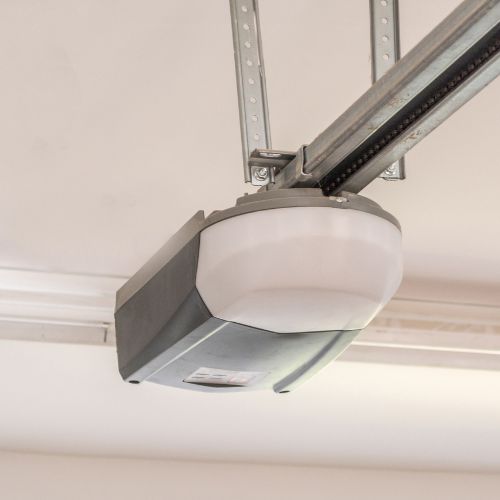
  • The opener’s drive system

Without proper lubrication, these components grind against each other instead of gliding. That friction creates heat, wear, and metal shavings that accelerate damage. Over time, what starts as a squeak turns into a misaligned door, worn rollers, and even bent tracks that require full Track Replacement or repair.

A local example: a small auto shop near downtown Gainesville called us because their door was “jumping” and screeching on the way up. The rollers were dry and starting to seize, which had already begun to chew into the track. A simple lubrication a year earlier could have prevented a several-hundred-dollar repair and a half-day of lost productivity.

“Friction is the enemy of every moving garage door component. Lubrication is your first line of defense.” — Senior Technician, Always Open Garage Door Services

Tip: If you notice your door getting louder over time, that’s almost always your first warning sign that lubrication is overdue.

CALLOUT: Even high-end doors and openers fail early if they’re operated dry. Lubrication is not optional—it’s essential.


How Lubrication Extends the Life of Your Door Components

Lubrication does much more than quiet down a noisy door. It directly impacts how long your system lasts and how safely it operates.

Key Components That Rely on Lubrication

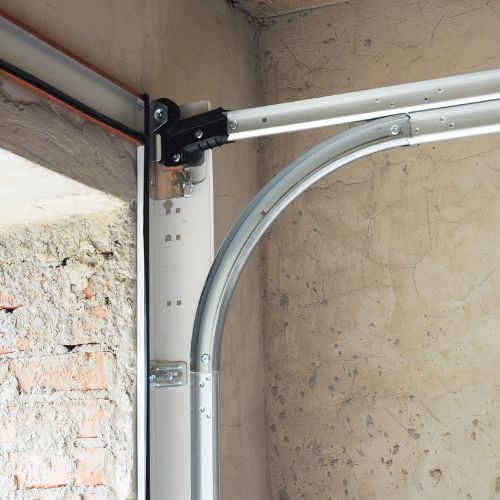
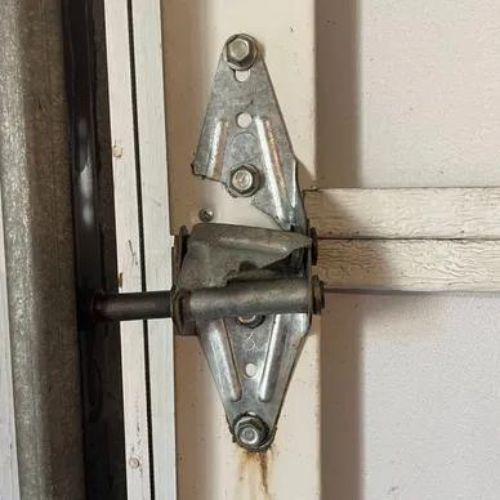
  • Rollers and hinges: These pivot and roll thousands of times per year. When they run dry, they start to wobble, leading to Broken Hinges or Broken Rollers and uneven movement.
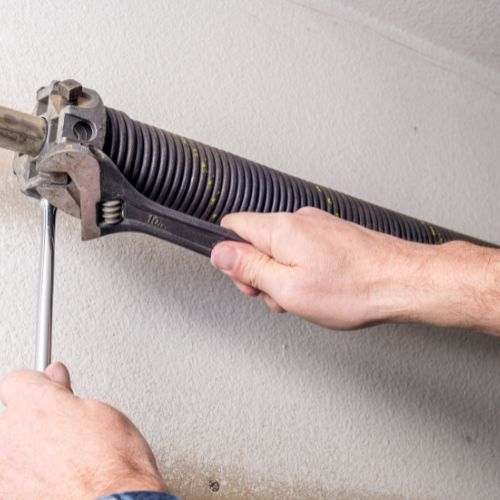
  • Springs and bearings: Torsion springs expand and contract under high tension. Light lubrication helps reduce internal friction and surface corrosion.
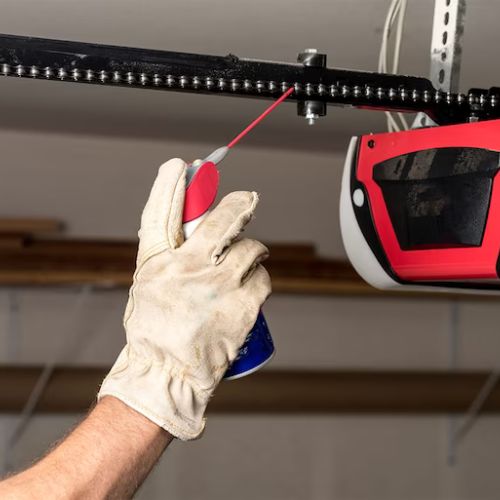
  • Tracks and moving contact points: While you don’t usually “grease” the inside of tracks, you do lubricate the points where rollers move and pivot inside the system.

A distribution business off Browns Bridge Road had two large sectional doors that were only five years old, yet one already needed Panel Replacement and new rollers. The problem? The hinges and rollers had been operating dry in a dusty environment. The extra resistance caused the opener to strain and the panels to flex, eventually cracking the lower sections.

“A well-lubricated door can add years to the life of your springs, rollers, and opener by reducing the load on every cycle.” — Always Open Garage Door Services

Tip: Use a high-quality silicone or lithium-based spray designed for garage doors. Avoid heavy greases that attract dirt and gum up the works.

CALLOUT: Proper lubrication doesn’t just protect parts; it also helps your opener operate with less effort, which can delay the need for a new Motor Installation.


Gainesville’s Climate: Why Local Conditions Make Lubrication Even More Critical

Gainesville’s combination of humid summers, sudden thunderstorms, and cool winters is tough on metal components. Moisture and temperature swings are the perfect recipe for rust, corrosion, and expansion/contraction of steel parts.

Local Climate Factors That Affect Your Door

  • High humidity: Promotes rust on springs, hinges, and rollers if they’re not protected by a thin layer of lubricant.
  • Pollen and dust: Common in North Georgia, these contaminants stick to unprotected metal and can work their way into moving joints.
  • Temperature swings: Metal expands and contracts, making dry parts more likely to bind, squeak, or misalign.

One Gainesville homeowner near Lake Lanier noticed their door getting stiff every winter. The springs and hinges had light surface rust from years of humid summers and no maintenance. A thorough lubrication and rust treatment brought the door back to smooth operation—and helped avoid an early Spring Replacement.

Here’s how lubrication fits into a broader local maintenance picture:

Maintenance Task Role in Gainesville Climate Lubrication Connection
Weather Stripping Keeps moisture, wind, and debris out of the garage Dry seals can crack; nearby hinges benefit from lube
Insulation Helps regulate temperature and reduce condensation Stable temps reduce stress on lubricated components
Bottom Rubber Replacement Prevents water intrusion at the floor line Keeps water away from metal parts and hardware
Regular Lubrication Protects metal from rust and reduces friction Core preventative maintenance for all moving parts
Tip: Plan lubrication at least twice a year in Gainesville—once before peak summer humidity and once before winter.

CALLOUT: In North Georgia’s climate, skipping lubrication is like leaving bare metal out in the rain. You might not see the damage right away, but it’s happening.


Lubrication, Safety, and System Balance: Why It’s Not Just About Noise

A noisy door is annoying, but the bigger concern is what that noise might be telling you about safety and balance. When key components operate without lubrication, the entire system has to work harder—and that can create dangerous situations.

Safety Impacts of Poor Lubrication

  • Unbalanced doors: Extra friction on one side can cause the door to pull or twist, putting stress on springs and tracks.
  • Increased opener strain: A dry, stiff door forces the opener to pull more weight than it’s designed to, sometimes leading to sudden failure.
  • Sudden component breakage: A roller or hinge under extra stress is more likely to fail unexpectedly, potentially causing the door to jam or come off track.

A small manufacturing shop off Atlanta Highway had a door that would occasionally stop halfway down and reverse. The owner thought it was an opener malfunction. During a full Tune-Up and Inspection, our technician found that dry rollers on one side were binding in the track. Once lubricated and adjusted, the safety sensors and opener could do their job properly, and the door operated smoothly.

“Many ‘opener problems’ turn out to be mechanical issues made worse by lack of lubrication and balance.” — Lead Inspector, Always Open Garage Door Services

Tip: If your door reverses for no clear reason, don’t just override it. That’s a sign the system senses extra resistance, which may be related to poor lubrication.

CALLOUT: Lubrication is a critical part of safety—not just comfort. A smooth, balanced door is far less likely to cause injury or property damage.


DIY Lubrication vs. Professional Maintenance: What’s Worth Doing Yourself?

You can absolutely handle some lubrication tasks yourself, especially if you’re comfortable with basic home maintenance. But there are limits—particularly when it comes to high-tension parts like torsion springs and the interplay between lubrication, balance, and wear.

What You Can Usually Do Yourself

  • Lightly lubricate:
  • Exposed hinges between door sections
  • Roller bearings (if metal; avoid spraying nylon wheels directly)
  • Pivot points and moving joints
  • Wipe away excess to avoid drips and dust buildup

What You Should Leave to a Professional

  • Assessing spring tension and wear
  • Checking track alignment and deciding if you need Track Repair or replacement
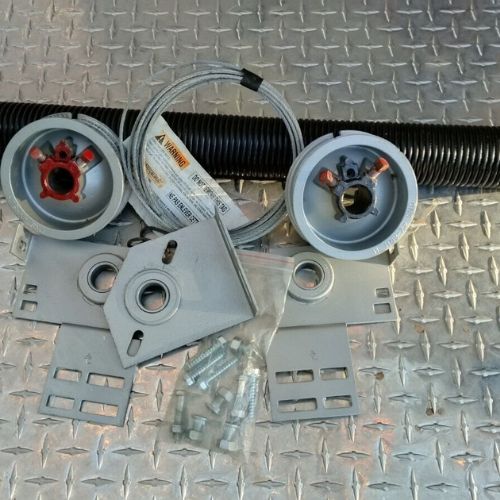
  • Inspecting cables, drums, and high-tension components
  • Evaluating whether your system is a candidate for a Wayne Dalton Torsion Conversion

Here’s a quick comparison:

Approach Pros Cons Best For
DIY Lubrication Only Low cost, quick, easy May miss worn parts or safety issues Homeowners comfortable with basic upkeep
Professional Tune-Up + Lube Full inspection, adjustments, safety check Higher upfront cost, requires scheduling Businesses, heavy-use doors, older systems

One Gainesville family in a newer subdivision had been spraying whatever lubricant they had on hand—mostly WD-40—on their door. It quieted things briefly but didn’t protect the parts, and it actually washed away existing lubrication. During a professional visit, we cleaned the components, applied the correct products, and discovered a fatigued spring before it snapped—saving them from an emergency call and a potentially dangerous failure.

Tip: If your door is more than 5–7 years old or used heavily for business, pairing lubrication with a professional inspection once a year is a smart investment.

CALLOUT: DIY lubrication is helpful, but it’s not a substitute for a trained eye that can spot early signs of failure.


How Lubrication Connects to Other Common Garage Door Repairs

Lubrication doesn’t exist in a vacuum; it interacts directly with many other repair and upgrade decisions. When neglected, it can accelerate the need for more serious work. When done properly, it can stretch out the time between major repairs.

Common Repairs Linked to Poor Lubrication

  • Track issues: Dry rollers that bind or wobble can damage tracks, sometimes requiring Track Replacement or repair.
  • Damaged panels: Binding or jerky movement puts twisting forces on the sections, increasing the likelihood you’ll need Panel Replacement after minor impacts.
  • Spring fatigue: Extra friction means springs carry more effective load per cycle, shortening their lifespan and pushing you sooner toward Spring Replacement.
  • Opener wear: A struggling door can burn out the opener, leading to premature Motor Installation.

A commercial client off Jesse Jewell Parkway had two nearly identical doors. One had been on a regular maintenance plan that included lubrication; the other was “run to failure.” After eight years, the maintained door still had its original springs and rollers. The neglected door had gone through new springs, multiple rollers, and a replacement opener—and it was noisier.

“Most big-ticket garage door repairs begin with small, preventable issues like dry rollers or neglected hinges.” — Service Manager, Always Open Garage Door Services

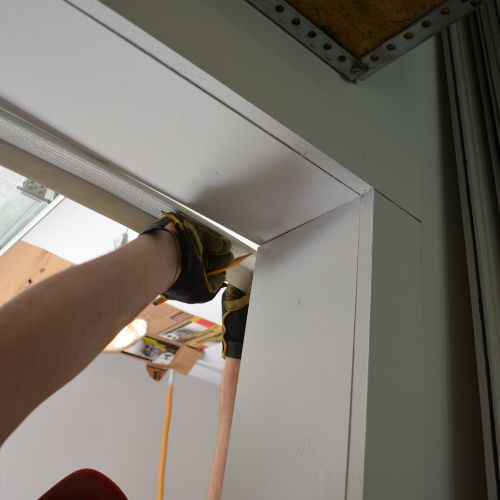
Tip: If you’re investing in upgrades like Insulation or new Weather Stripping, protect that investment with a lubrication routine at the same time.

CALLOUT: Think of lubrication as the foundation. Every other repair or upgrade lasts longer when the moving parts are properly maintained.


Building a Simple, Effective Lubrication Routine for Your Property

The best lubrication plan is one you’ll actually follow. Whether you manage a busy warehouse in Gainesville or just want your home garage door to last, a simple routine makes a big difference.

Basic Lubrication Schedule

  • Residential doors: 1–2 times per year
  • Light commercial use: Every 3–4 months
  • Heavy commercial/industrial use: Every 1–2 months, plus professional checks

Step-by-Step Basics (Homeowner-Friendly)

  • Close the door and disconnect the opener (use the release cord).
  • Wipe visible dirt from hinges, rollers, and tracks.
  • Lightly spray a garage door lubricant on:
  • Metal roller bearings (not the track itself)
  • Hinges at pivot points
  • Springs with a light coat
  • Open and close the door by hand a few times to work the lubricant in.
  • Reconnect the opener and listen for improvements.

A Gainesville property manager with multiple rental homes built this into their seasonal checklist—right alongside changing HVAC filters and checking Bottom Rubber Replacement needs. Over a few years, they noticed fewer emergency calls, fewer broken parts, and happier tenants who weren’t woken up by screeching doors.

Tip: Keep a small maintenance log—nothing fancy, just dates and notes. It helps track patterns and supports warranty claims if needed.

CALLOUT: Consistency beats perfection. A little lubrication on a regular schedule is far better than a “perfect” job done once every five years.


What This Means for Businesses in Gainesville, GA

For Gainesville businesses—auto shops, warehouses, fire stations, delivery hubs—garage doors are mission-critical. When a door fails, it’s not just an inconvenience; it can halt operations, delay service, and even impact safety and security.

In a competitive local market, where customers expect fast turnaround and reliability, downtime from a stuck or broken door can cost more than the repair bill itself. Deliveries get delayed, vehicles get trapped, and staff waste time working around the problem.

Regular lubrication, paired with periodic professional inspections, offers tangible benefits:

  • Reduced downtime: Fewer surprise failures mean fewer disruptions to your schedule.
  • Lower long-term costs: Components last longer, and you can plan repairs instead of paying emergency rates.
  • Safer operations: Smooth, balanced doors are less likely to injure staff or damage vehicles.
  • Better working environment: Quieter, more reliable doors make your facility feel more professional and less stressful.

In Gainesville, where humidity, dust, and temperature swings are part of daily life, neglecting lubrication is a costly gamble. By making it a routine part of your maintenance—ideally alongside services like Tune-Up and Inspection and targeted repairs—you’re protecting your equipment, your people, and your bottom line.


Frequently Asked Questions

Q: How often should I lubricate my garage door in Gainesville’s climate?
A: For most Gainesville homeowners, lubricating your garage door once or twice a year is a good baseline—typically before the peak of summer humidity and again before winter. Businesses or properties with high traffic should consider a more frequent schedule, such as every 3–4 months. If your door is part of a critical operation, pairing lubrication with a professional Tune-Up and Inspection annually ensures that springs, tracks, and rollers are not just lubricated, but also properly adjusted and safe. Humid summers and dusty conditions around North Georgia make regular attention especially important to prevent rust and binding.


Q: Can poor lubrication really lead to bigger repairs like track or spring replacement?
A: Yes. When rollers and hinges run dry, they create extra friction and uneven movement. Over time, this can bend or wear grooves into the tracks, leading to costly Track Replacement or repair. Similarly, your springs are calibrated to lift a specific load; if the door is harder to move due to friction, they’re effectively working overtime every cycle, which shortens their lifespan and can force early Spring Replacement. In Gainesville, where corrosion is already a concern, lubrication is an inexpensive way to avoid these bigger issues.


Q: Is WD-40 okay to use on my garage door parts?
A: WD-40 is more of a cleaner and water-displacer than a long-term lubricant. It can wash away existing lubrication and provide only short-lived protection. For garage doors, you’re better off with a silicone-based or lithium-based spray designed specifically for moving metal parts. These products cling better, resist dust, and provide lasting lubrication for rollers, hinges, and springs. If you’ve been using WD-40, consider having a professional clean and re-lubricate key components during a Tune-Up and Inspection to reset your system’s protection.


Q: Which parts should I avoid touching and leave to a professional?
A: You can safely lubricate hinges, roller bearings, and some pivot points if you follow basic precautions. However, you should avoid adjusting or handling torsion springs, lift cables, and the opener’s internal mechanisms. These components are under high tension and can be dangerous if mishandled. If you notice rust, gaps, or noise from your springs—or if the door feels heavy or unbalanced—call a professional. In some cases, older systems may even benefit from a Wayne Dalton Torsion Conversion for improved safety and reliability.


Q: My door is noisy even after lubrication—what does that mean?
A: Persistent noise after proper lubrication often indicates underlying mechanical issues. You may have worn or ovaled roller stems, loose or Broken Hinges, or misaligned tracks that need adjustment or repair. Sometimes, panels can flex or crack from years of hard use, eventually requiring Panel Replacement. A noisy opener might be a sign the system is strained and approaching the end of its life, in which case a new Motor Installation may be recommended. In Gainesville, a professional assessment can distinguish between a simple adjustment and a deeper problem.


Q: How does lubrication relate to weather stripping and insulation upgrades?
A: Lubrication focuses on moving metal parts, while Weather Stripping and Insulation focus on comfort, energy efficiency, and moisture control. However, they all work together. Effective weather stripping and a solid bottom seal keep water and debris away from your hardware, helping lubricated parts stay cleaner and less prone to rust. Insulated doors tend to experience fewer temperature extremes, which can reduce stress on lubricated components. Many Gainesville property owners choose to address all three areas together for a comprehensive performance and efficiency upgrade.


Q: Do I still need lubrication if my door is newer or just installed?
A: Even new doors benefit from a maintenance plan. While they come properly lubricated from the factory, that protection doesn’t last forever—especially in our humid Gainesville environment. Starting a regular lubrication routine early helps keep your new hardware in peak condition, delays wear on rollers and springs, and supports any manufacturer warranties that require documented maintenance. If you’ve recently invested in new hardware or a Motor Installation, protecting that investment with simple, regular lubrication is a smart move.


Ready to Get Started?

If your garage door is getting louder, moving unevenly, or just hasn’t been serviced in a while, now is the ideal time to act—before the next humid Gainesville summer or cold snap puts extra stress on your system. A small investment in lubrication and inspection today can prevent a surprise breakdown tomorrow, when you’re trying to get a delivery truck out, secure your building at closing, or simply pull into your driveway after a long day.

Always Open Garage Door Services offers comprehensive maintenance visits that combine professional lubrication with careful inspection of springs, rollers, tracks, and openers. We’ll let you know if anything needs attention now—or if you’re in good shape for another season. No pressure, just honest recommendations from a local team that understands how North Georgia’s climate affects your door.

Take the next step toward quieter, safer, and more reliable operation year-round.

About Always Open Garage Door Services

Always Open Garage Door Services is a locally owned and operated company serving Gainesville, GA and the surrounding North Georgia communities. Our certified technicians bring years of hands-on experience with residential and commercial doors of all types, from basic repairs to complex conversions and full system upgrades. We focus on honest evaluations, quality workmanship, and long-term reliability—backed by a strong reputation in Hall County and beyond. Learn more about our services at our homepage.

Leave a Comment

Your email address will not be published. Required fields are marked *

Scroll to Top